
Original briefings. Zero spin.
Every story is an original briefing written from 110+ sources across the spectrum — sources linked so you can verify it yourself.
 tech
Notable (6/10)
August 24, 2026 at 01:31 AM
tech
Notable (6/10)
August 24, 2026 at 01:31 AM
Shein Requests US National Security Review of Its $100 Million Bid for Everlane
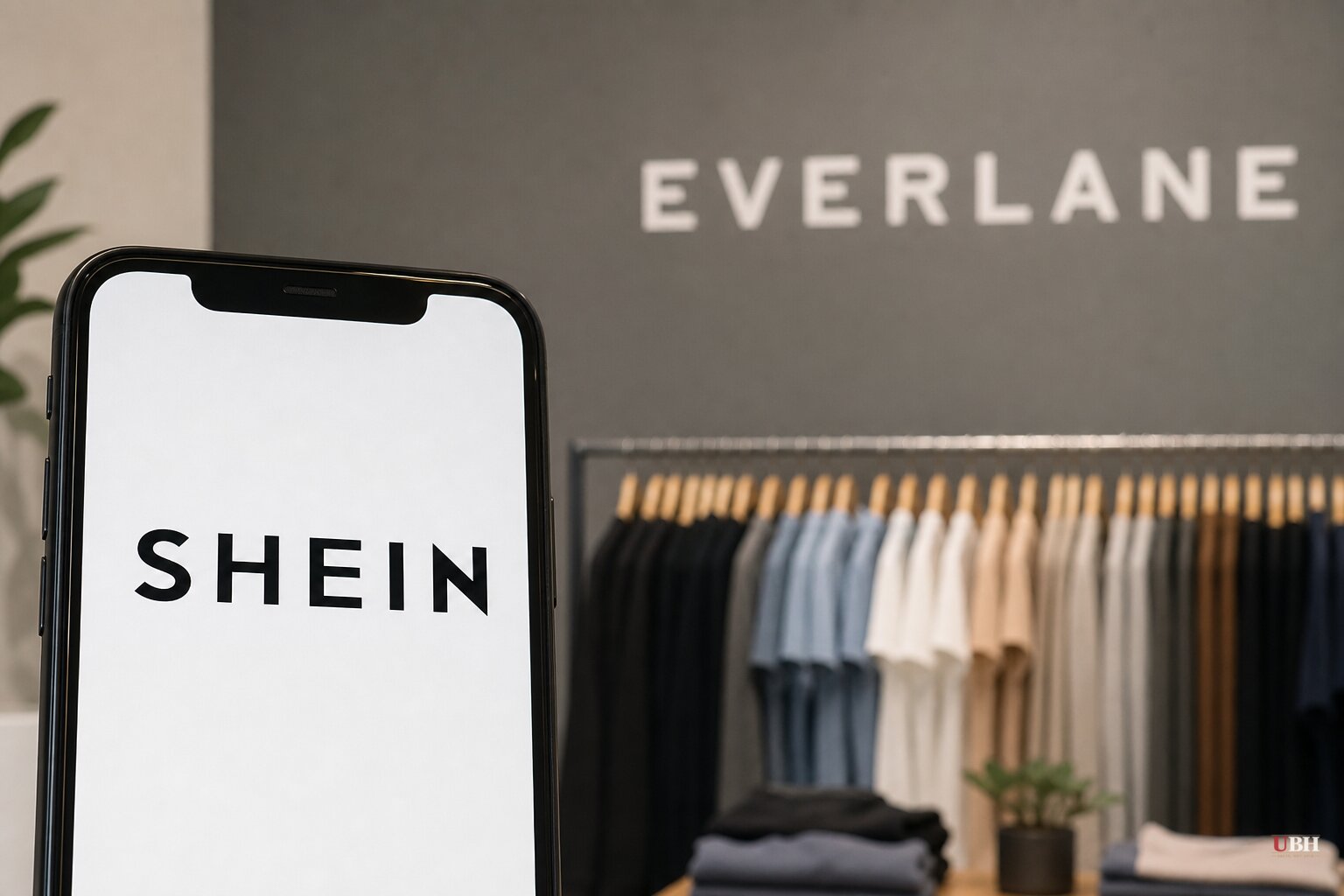
Shein wants to own a piece of upscale America. Washington isn't so sure that's a good idea.
The fast-fashion giant's roughly $100 million deal to acquire Everlane, announced in May 2026, is now under a US national security review, according to Time. Shein proactively requested the review itself rather than waiting for regulators to intervene. This signals how carefully the company is trying to navigate its US expansion.
Everlane wasn't exactly a prize asset. The San Francisco-based direct-to-consumer brand, once valued at roughly $600 million, had piled up around $90 million in liabilities by the time Shein came calling, according to Time. Majority owner L Catterton, a private equity firm, was looking to exit. A $600 million company selling for $100 million tells you everything about how rough things got.
For Shein, that price tag was a bargain ticket into a market segment it doesn't currently own: older, wealthier, more brand-loyal shoppers who wouldn't be caught dead in Shein's ultra-cheap fast fashion. Everlane CEO Alfred Chang has said the deal would preserve the brand's independence along with its commitment to sustainability and quality, according to Time.
Why regulators care
Shein was founded in China and has since moved its headquarters to Singapore, according to Time. That history puts it under scrutiny in Washington, where Chinese-linked companies operating in the US face routine examination.
Shein's entire pricing model has leaned heavily on the de minimis exemption, the trade rule letting packages under $800 enter the US duty-free. Lawmakers have spent years trying to close that loophole, and every attempt is a direct shot at the cheap-prices machine that built Shein's business, according to Time.
Given that pressure, buying Everlane looks like a hedge. If de minimis dies, Shein still has a foothold in the US market through an established American brand with its own supply chain and customer base. Getting ahead of a national security review, instead of getting blindsided by one, fits that same defensive logic.
The case for scrutiny, and the case against overreach
There's a legitimate national security argument here. Chinese-linked companies acquiring American consumer data, retail infrastructure, or brand access is exactly the kind of transaction the Committee on Foreign Investment in the United States exists to examine. Everlane customer data, purchase histories, and payment information moving under a Chinese-founded parent company is a fair thing for regulators to look at closely, particularly given ongoing debate in Washington over Chinese data practices in apps like TikTok.
At the same time, this is a $100 million deal for a company with actual American employees, an American headquarters, and a customer base that has nothing to do with national defense. Reasonable people can ask whether treating a clothing brand acquisition with the same suspicion as a semiconductor deal is proportionate, or whether it's regulatory overkill dressed up as security policy. Time's reporting doesn't indicate what specific national security concern triggered the review, only that Shein sought it voluntarily.
Without a stated rationale from the reviewing body, evaluating whether this is targeted risk management or blanket suspicion applied to anything with a Chinese corporate history becomes difficult.
Everlane's employees are stuck in limbo
The people who actually work at Everlane didn't ask for any of this. The brand's slide from $600 million to a $100 million sale price already signaled serious trouble. Now add a national security review with no clear timeline, and Everlane's roughly $90 million in liabilities aren't going anywhere while the deal sits in regulatory purgatory, according to Time.
If the review drags on or the deal collapses outright, Everlane could end up worse off than before Shein ever showed up: still debt-laden, still without the capital infusion the acquisition promised, and now carrying the added baggage of a failed national security review hanging over any future buyer's interest.
No timeline for the review's conclusion has been reported. Whether Shein's bet on transparency pays off, or whether it hands regulators an easy opening to block the deal outright, is still an open question heading into the fall.
Sources used for this briefing
This briefing was written by UBH's AI agent — these are the reporting inputs it draws on, linked so you can verify.


