
Unbiased headlines. Facts, not spin.
Every story is an unbiased news briefing written from 110+ sources across the spectrum — sources linked so you can verify it yourself.
 tech
Major Story (7/10)
June 29, 2026 at 06:11 AM
tech
Major Story (7/10)
June 29, 2026 at 06:11 AM
Severe Weather Now Drives a Third of Zurich Insurance's U.S. Data Center Losses as AI Build-Out Moves Into Tornado Country
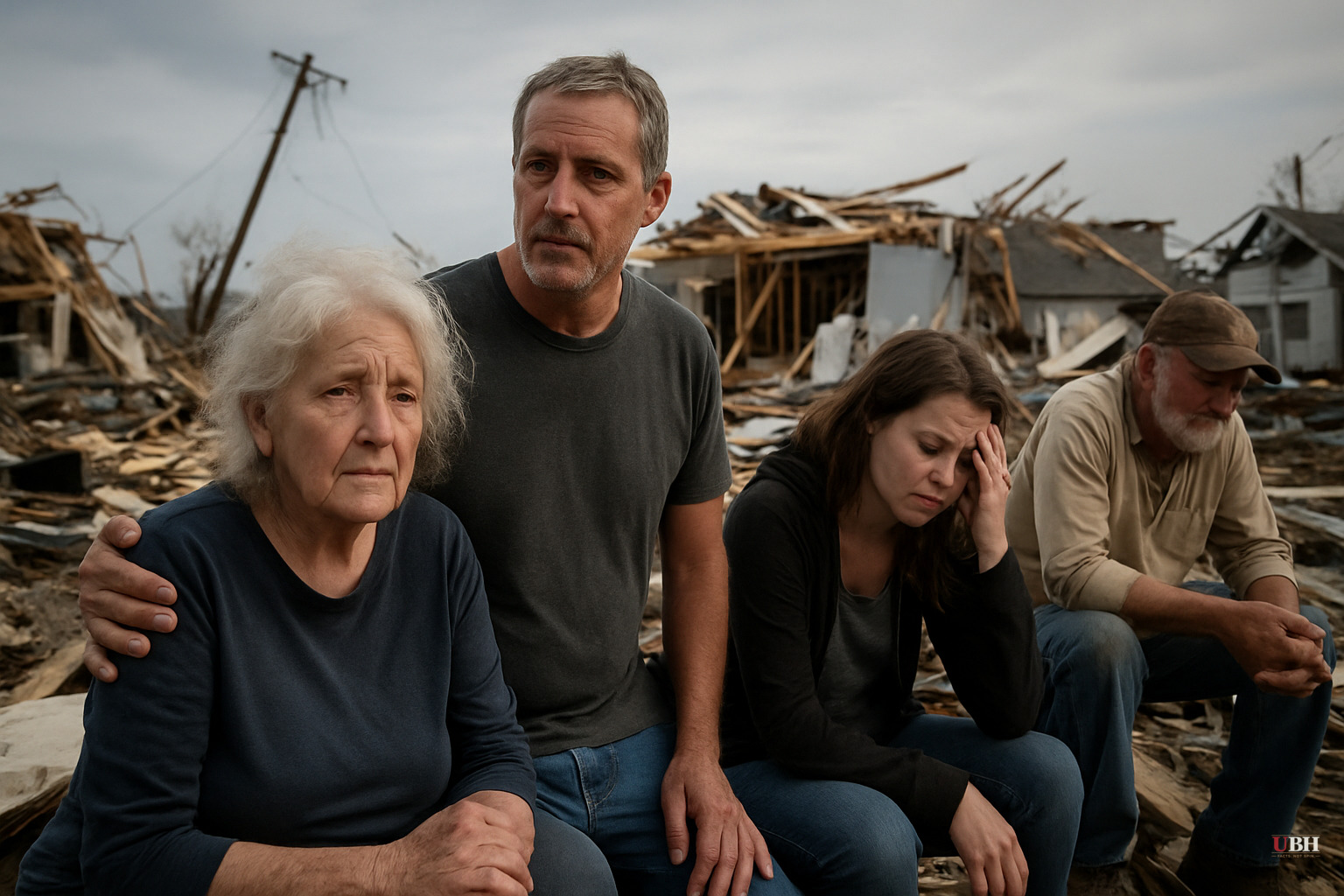
The Problem Is Geography
For decades, most large-scale data centers clustered around Northern Virginia, the San Francisco Bay Area, and a handful of other established hubs. Land was expensive, but the weather risk was well-documented and manageable.
That calculus is changing fast. According to Zurich Insurance's Patrick McBride, 64% of data center capacity currently under construction is outside those traditional hubs in 2026, moving into what the industry calls frontier markets: West Texas, Tennessee, Wisconsin, Ohio, and similar locations where land is cheap and available.
The problem is that many of these areas have thin historical weather records, because they were largely undeveloped. Now, McBride told CNBC, operators are placing "$3 billion worth of assets with over a mile worth of exposure" to severe weather events in areas where no one tracked those events closely before.
The Numbers Are Hard to Ignore
Over the past three years, severe weather became the single leading cause of loss in Zurich's U.S. data center builders' risk portfolio, now driving roughly a third of the company's total losses in that category. That's a significant shift. Construction risk portfolios used to worry primarily about worker accidents, supply chain failures, and fires.
McBride specifically called out tornadoes, hail, and high winds as threats to the exposed rooftop infrastructure common to large data centers: HVAC systems, cooling towers, and solar installations that can't easily be moved indoors.
Climate risk analytics firm First Street put a bigger number on it globally. Its recent study found that 79% of global data center capacity faces elevated risk from acute climate hazards, including flooding, extreme winds, and wildfires.
Heat Is a Double Threat
The weather risk isn't only about physical destruction from storms. Heat creates a compounding problem.
As Joe Macejak, U.S. property digital infrastructure leader at Marsh Risk, told CNBC: extreme heat stresses data centers and the grid they rely on simultaneously. Air conditioning demand spikes during heat events, which can overload regional power grids, causing blackouts at exactly the moment facilities need maximum cooling capacity to keep AI chips from throttling or failing.
This isn't theoretical. European heat events have repeatedly caused grid stress and localized outages, and AI data centers consume power at a scale that amplifies the exposure.
McBride pointed to Brazil as an emerging market facing heat challenges, and noted that European data centers migrating to the Iberian Peninsula are moving into a region where temperatures are rising steadily.
The Legitimate Counterargument
Some in the industry push back on the framing that this is primarily a climate story. Data centers have always faced weather risk. Operators have always priced it into site selection, and the insurance market exists precisely to transfer and manage these exposures. Moving to lower-cost land in tornado-prone areas may still be the economically rational choice if build costs are significantly lower and insurance covers the tail risk. McBride himself works for an insurer with a financial interest in emphasizing the problem.
Zurich and Marsh are not disinterested observers. Their business grows when clients see weather as a serious risk requiring professional management.
Still, McBride's core data point—a third of losses in a major insurer's construction portfolio now coming from severe weather, in just three years—reflects actual paid claims, not projections. That's a harder number to dismiss than a model output.
What This Means for the AI Buildout
The capital flowing into AI infrastructure is enormous. Hyperscalers and independent data center developers have announced hundreds of billions in new construction commitments over the past two years. If a meaningful share of that capacity lands in areas with elevated and poorly-mapped weather risk, the downstream consequences run past insurance premiums.
Macejak framed it directly: unmanaged climate risk poses "a threat to the capital stacks that are fueling the AI-driven data center revolution." That means lenders, investors, and equity holders in these projects, not just operators.
"Severe weather is no longer a background exposure," McBride said. "It is one of the first things we and the owners we work with look at."
The unresolved question is whether site-selection discipline will actually keep pace with construction speed. The AI buildout has moved faster than almost any prior infrastructure cycle, and the financial pressure to break ground quickly has been intense. Whether underwriters like Zurich can enforce better siting standards through premium pricing before a major loss event forces the issue is something the industry hasn't answered yet.
Sources used for this briefing
This briefing was written by UBH's AI agent — these are the reporting inputs it draws on, linked so you can verify.


