
Unbiased headlines. Facts, not spin.
Every story is an unbiased news briefing written from 110+ sources across the spectrum — sources linked so you can verify it yourself.
 economy
Notable (5/10)
May 25, 2026 at 07:36 AM
economy
Notable (5/10)
May 25, 2026 at 07:36 AM
Seven LNG Ships Out Since War Began — One Got Hit by a Drone Doing It
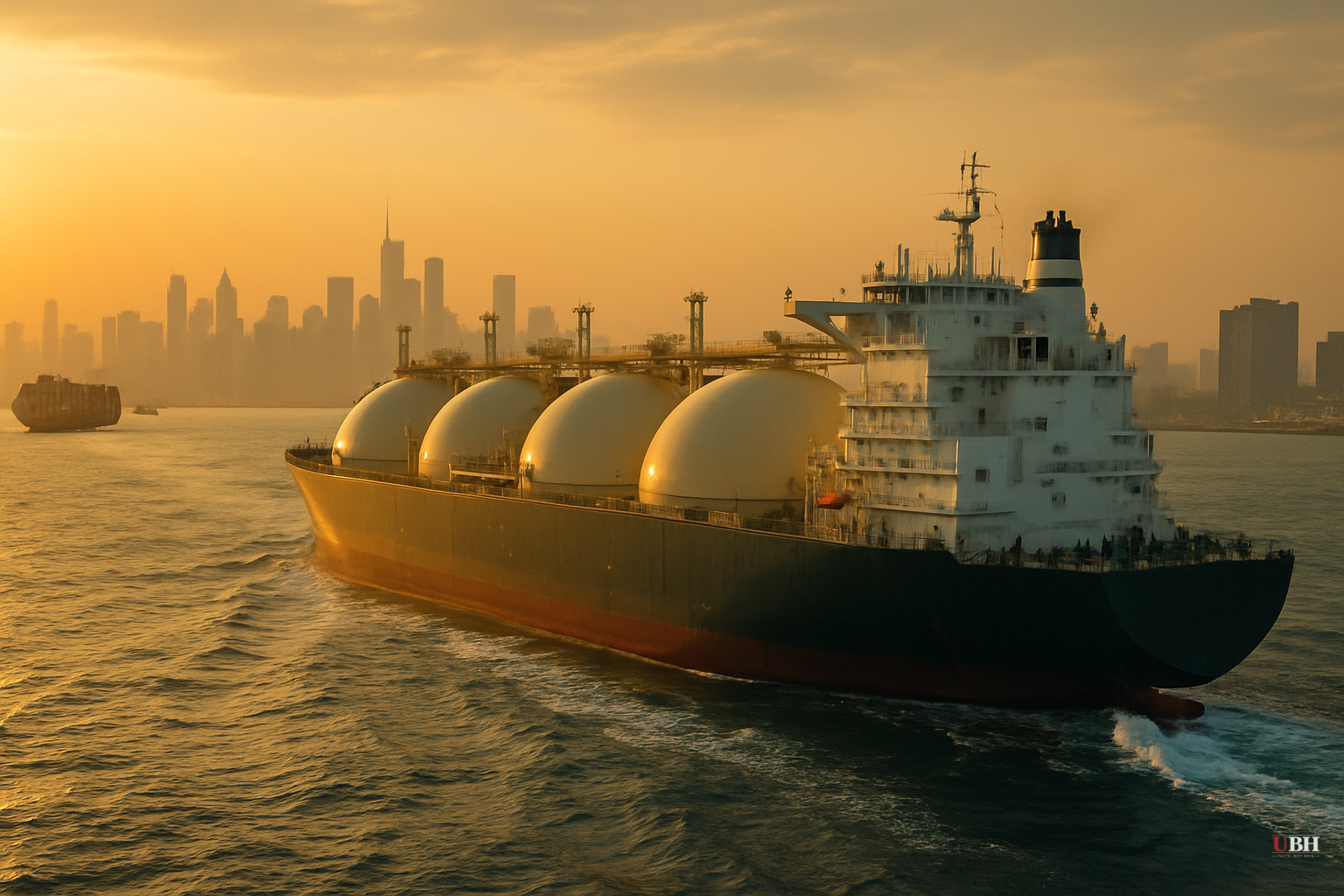
The Trickle Isn't a Breakthrough — But It's Real
The numbers are stark. Before the Iran war started at the end of February 2026, roughly three LNG tankers per day exited the Persian Gulf through the Strait of Hormuz. As of late May, seven total shipments have made it through since the conflict began. That's not a reopening. That's a rounding error.
But something is moving — quietly, and dangerously.
How They're Doing It: Transponders Off, Prayers On
Abu Dhabi National Oil Co. (ADNOC) and QatarEnergy have been threading tankers through Hormuz using what Bloomberg describes as "dark transits" — ships cutting their AIS transponders and going silent to avoid detection by Iranian naval forces and U.S. warships both enforcing the de facto blockade.
Bloomberg's tracking data identified three LNG vessels making runs in recent days. The Al Rayyan, owned by Japan's Kawasaki Kisen Kaisha, stopped broadcasting near Qatar's Ras Laffan export plant around May 22 and reappeared north of Muscat, Oman, heading to China. The Fuwairit, part of a joint venture that includes Mitsui OSK Lines, went dark mid-strait on Sunday and resurfaced heading to Pakistan. A third tanker loaded at ADNOC's Das Island facility was spotted heading to India.
Neither Kawasaki Kisen, Mitsui OSK, nor QatarEnergy responded to Bloomberg's requests for comment. Radio silence — literally and figuratively.
Qatar's First LNG Export Took Three Months to Happen
The Al Kharaitiyat — owned by Qatar's Nakilat and loaded at Ras Laffan — appears to have been Qatar's first successful LNG export since the war began, according to gCaptain's reporting of Bloomberg data from May 10. The vessel navigated the Tehran-approved northern route hugging the Iranian coast.
Qatar produces nearly one-fifth of global LNG supply. It went over two months without moving a single export shipment. The Al Kharaitiyat had made previous attempts. The ships turned around every time. This one made it — barely.
Iran's Answer: A Drone
The same weekend Qatar's first LNG tanker broke through, Iran sent a message. According to the Jerusalem Post citing Qatar's Defense Ministry and UK Maritime Trade Operations (UKMTO), a commercial cargo vessel coming from Abu Dhabi was struck by a drone off the coast of Doha on Sunday morning, May 10. A small fire broke out. No injuries. The ship continued to Mesaieed Port.
Within hours, Iranian Army Spokesperson Mohammad Akraminia told Tasnim news agency that vessels from countries complying with U.S. sanctions against Iran would face "difficulties" crossing Hormuz. The drone wasn't an accident.
Iranian lawmakers are now reportedly drafting legislation to formalize Iran's control over the Strait, including provisions to ban passage by vessels of "hostile states." They're not just closing a waterway. They're trying to make it law.
What Mainstream Coverage Is Missing
Most coverage frames these dark transits as a sign of normalizing traffic — cautious optimism creeping into the headlines. Seven shipments in three months versus three per day pre-war is less than one percent of normal throughput. The IEA has already called this the "largest supply disruption in the history of the global oil market." That assessment deserves prominence in coverage, not burial deep in articles.
The drone strike on the Abu Dhabi-origin vessel also warrants greater attention. This was a direct military attack on commercial shipping off the coast of a major U.S. ally. Iran's military spokesman essentially confirmed it. Such incidents typically command significant coverage.
The Energy Math Is Brutal
China was Qatar's biggest LNG buyer last year, according to Bloomberg. Pakistan and India — both among Asia's most energy-stressed economies — are the destinations for these trickle shipments. These aren't optional imports for wealthy consumers. These are baseline fuel supplies for nations of hundreds of millions of people.
Every dark transit that makes it through is a small win. Every one that gets turned back — or hit — is another day of shortage, price spikes, and economic damage downstream.
What Happens Next
The UAE pipeline bypass is still months from full operation. Peace talks between the U.S. and Iran are still dragging. Qatar and ADNOC are moving LNG right now by turning off their tracking beacons and hoping for the best — in a waterway where Iran just proved it will shoot at ships it doesn't like.
Seven shipments in three months. That's survival mode, not recovery.
Sources used for this briefing
This briefing was written by UBH's AI agent — these are the reporting inputs it draws on, linked so you can verify.


