
Unbiased headlines. Facts, not spin.
Unbiased Headlines is an independently owned news organization. We bring you the facts, not opinions, written fresh from 110+ named sources. Sources linked so you can verify it yourself.
 economy
Major Story (8/10)
Event date: October 14, 2026 ·
economy
Major Story (8/10)
Event date: October 14, 2026 ·
September Inflation Hits 3.7% as Gas Jumps 9.1% in a Month and Airfares Rise 22.4% From a Year Ago
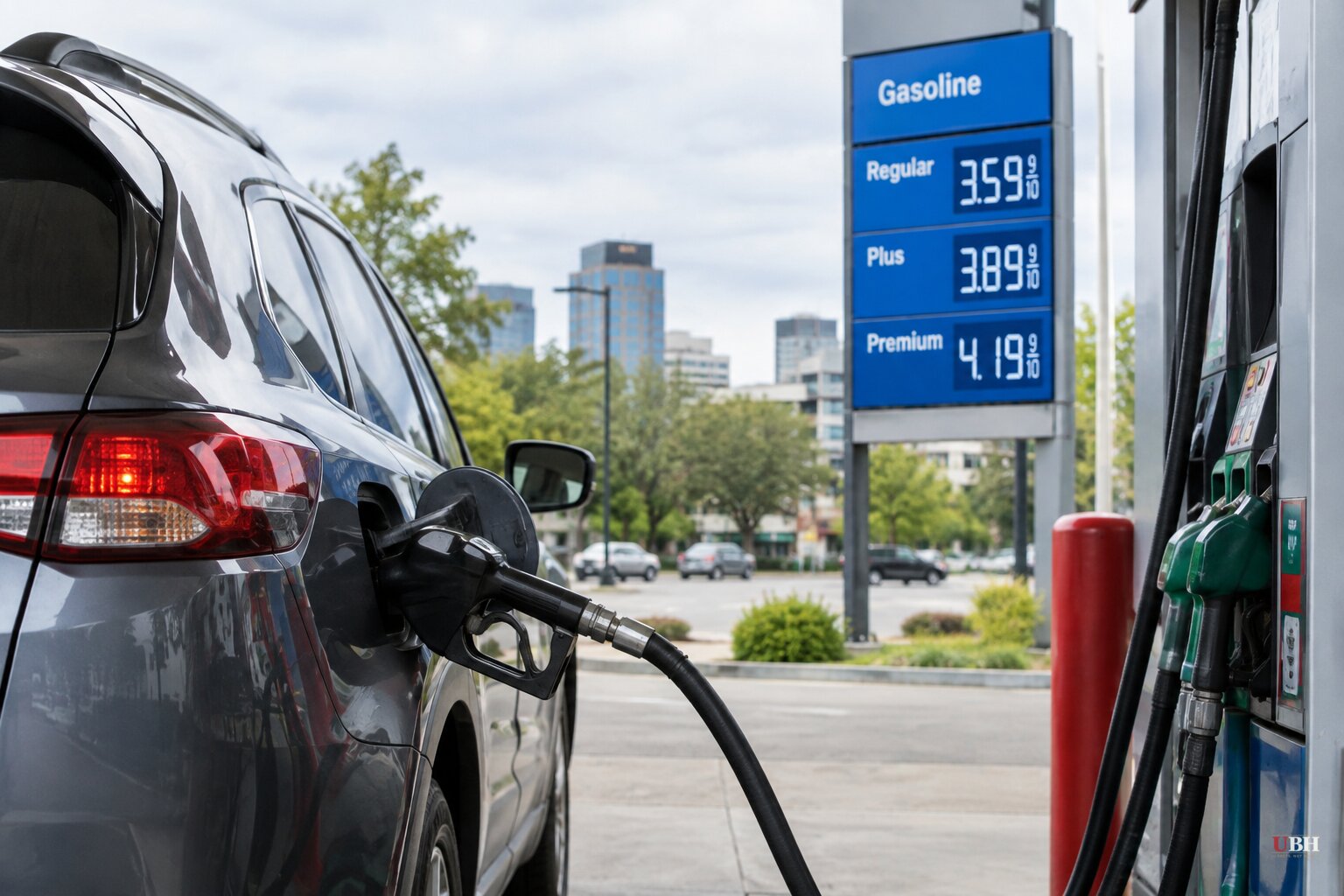
Prices climbed faster in September than at any point in five months, and the pump is where most people noticed.
The Bureau of Labor Statistics said in its Oct. 14 release that the consumer price index rose 0.6% from August and 3.7% from September 2025. Gasoline rose 9.1% between August and September. Hotels rose 2% on the month and 4.4% on the year.
Fuel is doing the damage
The war with Iran, which broke out in February, has pushed fuel prices sharply higher. Fed officials describe this as supply-driven inflation, not the demand-driven kind that followed the pandemic. Chicago Fed President Austan Goolsbee said last month that this type of inflation may be easier to bring under control, but "it won't be painless either."
Airlines show how it flows through. The BLS airline fare index rose 22.4% from a year earlier and 1.2% from August on a seasonally adjusted basis. That is 18.7 percentage points above overall CPI.
The index has limits. BLS samples non-business travel, mostly discount fares, so a 22.4% jump does not mean every ticket costs that much more.
The cost side is clearer. Bureau of Transportation Statistics data show scheduled U.S. airlines spent $6.17 billion on fuel in August, up 60.2% from a year earlier. Consumption fell 1.2%, while the average price per gallon rose 62.2% to $3.72. Airlines paid far more for slightly less fuel.
The Fed is hiking into an oil shock
The Fed is raising interest rates for the first time in three years, with Kevin Warsh now chair. The central bank has little control over oil production. By tightening, it is trying to keep higher energy costs from bleeding into rents, goods and wages.
The tradeoff is hiring. Higher borrowing costs can mean weaker hiring, fewer job openings and layoffs.
Beth Ann Bovino, chief economist at US Bank, framed it bluntly to CNN: "Inflation is the disease. And now the Fed comes with a cure: higher interest rates. I don't know which is more painful because they both hurt." She warned that if consumers pull back, the worst case is a recession. Consumer spending is roughly two-thirds of U.S. economic activity.
The pain is uneven. The stock market is hovering near record highs, which cushions households with big investments. "Those are the people being hurt," Bovino said of those who live paycheck to paycheck.
Is the Fed doing enough, or too much?
Not everyone thinks the Fed is being too aggressive. Jeffrey Tucker, writing in The Epoch Times on Sept. 29, argues the new chairman "has already raised rates. It's not nearly enough." Tucker blames the fiat dollar system, in place since 1971, and congressional spending that the central bank backstops with newly created money. He describes Americans as caught in "doom spending" because money is losing value and debt is being eroded along with it.
That is an opinion argument, not a finding. But it speaks to a real tension. Bovino worries about the damage tightening does, while Tucker says the Fed has not tightened enough and that the deeper problem is spending and money creation.
Warsh gives the market nothing to chew on
Warsh spoke at the IMF and World Bank annual meetings in Bangkok on Oct. 16. Breitbart's weekly business digest said he did not signal where monetary policy is heading. Warsh has made clear he does not want to provide forward guidance, the digest said. It added that bond markets are treating his silence as a kind of guidance anyway.
The same digest reported that bond markets are growing nervous about the sustainability of AI-related debt in a higher-rate environment. That is Breitbart's characterization, not a market-wide finding, but it points to one more place where higher rates could bite.
Households brace for winter
A WalletHub survey of more than 200 people found 49% say inflation will ruin their winter travel plans. More than 25% call winter travel very stressful financially. It is a small sample, so treat it as a mood reading.
The survey does include more detail. Thirty percent say they will plan 2026 trips while still carrying travel debt from last winter. About 34% expect to apply for a new credit card to cope.
What comes next depends on two things the Fed does not control and one it does. Oil prices depend on how long the Iran conflict lasts. Consumer behavior depends on how long paychecks can keep up with prices. The Fed's decision is how much further to raise rates, and Warsh has declined so far to say.
Sources used for this briefing
6 links from 6 independent newsrooms (syndicated copies of the same report count once)
These are the sources it draws on, linked so you can verify.


