
Unbiased headlines. Facts, not spin.
Unbiased Headlines is an independently owned news organization. We bring you the facts, not opinions, written fresh from 110+ named sources. Sources linked so you can verify it yourself.
 economy
Notable (5/10)
Event date: October 28, 2026 ·
Senegal Budget Committee Still Deadlocked After Talks, Leaving $2.2 Billion IMF Program Waiting
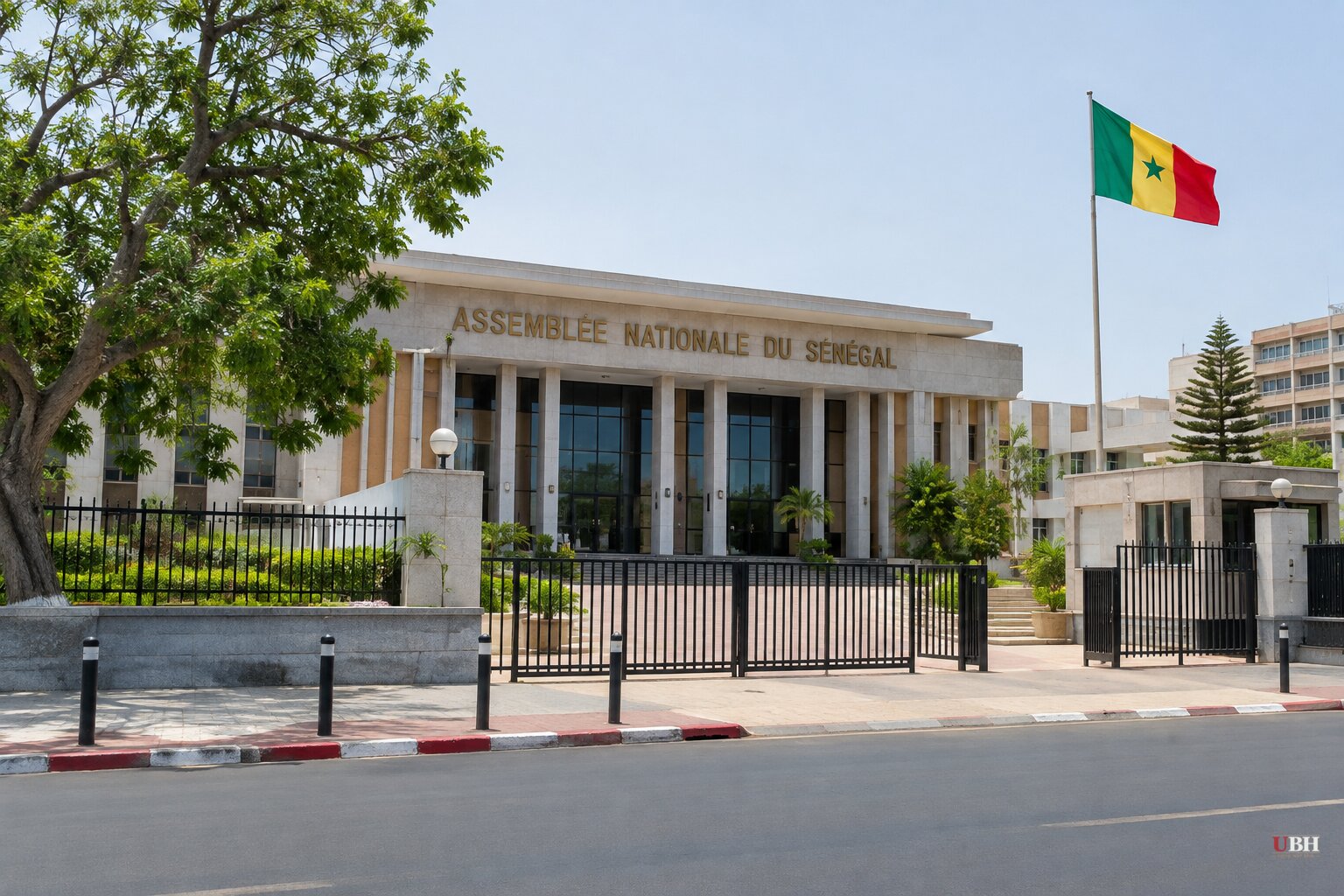
Since the finance committee rejected the revised 2026 budget on Friday, Oct. 23, and the full Assembly sent it back on Tuesday, Oct. 27, Senegal's government and the ruling Pastef party have still not settled the text. Lawmakers and a government official involved in the discussions said the Finance and Budgetary Control Committee stayed divided after talks late Friday. The sticking points are the treatment of special funds and assistance for vulnerable households.
The delay lands in the middle of a debt crisis.
What the budget does
The amended 2026 budget cuts projected real GDP growth to 2.7% from roughly 5%. It widens the fiscal deficit to 7.6% of GDP from 5.4%.
The IMF puts Senegal's public debt at 132% of GDP at the end of 2024. That followed the discovery of billions of dollars in misreported borrowing by the previous administration.
The government is seeking a 36-month, $2.2 billion IMF program. Approval of the revised budget is crucial to sealing it, and any hold-up puts the deal at risk.
A fight inside the governing camp
This is not a standoff between government and opposition in the usual sense. Pastef, led by Ousmane Sonko, holds 130 of the National Assembly's 165 seats. Sonko is also the Assembly's president. He helped bring President Bassirou Diomaye Faye to power in 2024 and is now Faye's rival.
Sonko said earlier this month that Pastef lawmakers would not vote for the bill as it stood. The finance committee then rejected it.
Finance Minister Cheikh Diba asked parliament on Oct. 27 to take another look. "Beyond budgetary concerns, the current situation also calls on us to show responsibility, discernment and a sense of perspective in our institutional relations," Diba said. He said he wanted to "avoid differences leading to a shutdown."
Sonko agreed to refer the text back to committee and said he would work to set dates for committee proceedings and the next plenary session. He told lawmakers the Assembly would "cast its vote with complete calm and complete clarity."
What each side says
Pastef says it is not against revising the budget. In an Oct. 20 statement, its parliamentary group said talks with the government had produced some compromises but that serious disagreements remained.
The party's objections center on three things. It opposes cuts affecting healthcare, education, water infrastructure and other public investment. It wants more transparency over government funds. And it wants stronger safeguards against measures that could raise household energy costs. The party also says it has not been given enough information to scrutinize the proposals.
Prime Minister Ahmadou Al Aminou Lo has pushed back. "Present your amendments, do not punish the people," he said at a Dakar press conference on Sunday, Oct. 25. He later told lawmakers: "You cannot bring a country to a standstill."
Lo argues the state cannot ignore its financial obligations because some spending choices are unpopular. He warned that a long deadlock could hit public services and payments to businesses the state already owes substantial sums.
Lo also suggested constitutional options could be considered if negotiations fail. He said a compromise remains possible.
Pressure outside parliament
The budget fight is unfolding against high youth unemployment and rising living costs. A three-day general strike last week underscored frustration over household purchasing power.
Those pressures cut both ways. Pastef's push to protect social spending and energy prices speaks to that anger. The government's case is that the IMF program is the route out of a debt load of 132% of GDP, and that it cannot be reached without a passed budget.
What comes next
No plenary vote date has been announced. Sonko said he would set one after committee work, and the committee is still split on special funds and aid to vulnerable households. The government has not said what constitutional option Lo has in mind if talks collapse.
Until the committee and Pastef agree on where the cuts fall and how extra spending is financed, the IMF program stays on hold.
Sources used for this briefing
7 links from 7 independent newsrooms (syndicated copies of the same report count once)
These are the sources it draws on, linked so you can verify.


