
Unbiased headlines. Facts, not spin.
Every story is an unbiased news briefing written from 110+ sources across the spectrum — sources linked so you can verify it yourself.
 energy
Major Story (8/10)
August 11, 2026 at 06:48 PM
energy
Major Story (8/10)
August 11, 2026 at 06:48 PM
Senate Passes Graham Russia Sanctions Bill 86-11, But Enforcement Gaps Already Undercut It
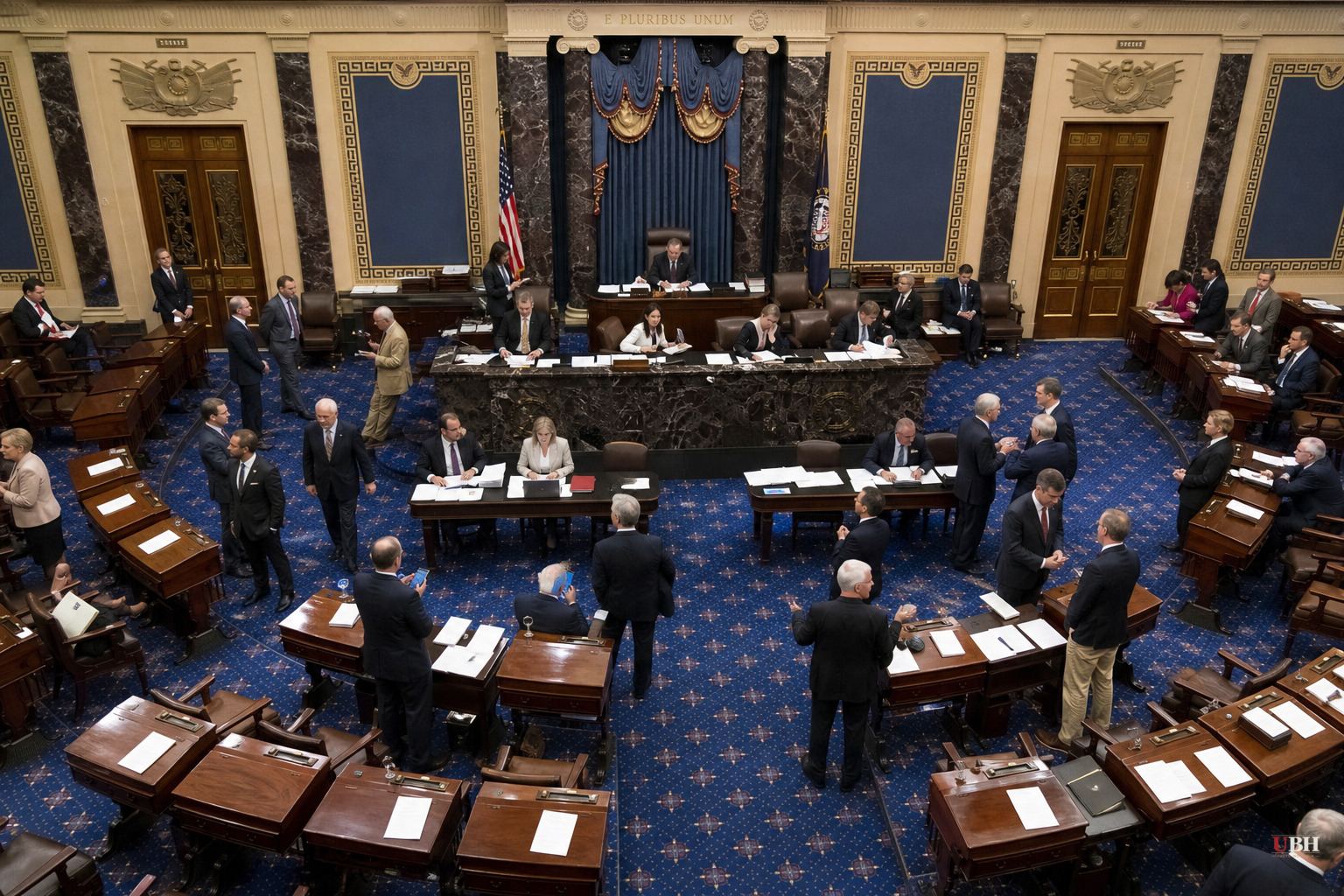
The US Senate passed a bill Friday to punish Russia and the countries buying its oil, in an 86-11 vote that renamed the legislation after the man who pushed it for years: the late Republican senator Lindsey Graham of South Carolina, according to the Guardian.
Graham died last month at 71, after a trip to Kyiv, and spent his final days working to advance the bill. It's now called the Lindsey O Graham Sanctioning Russia Act. Rand Paul of Kentucky was the only Republican to vote no, joined by 10 Democrats, the Guardian reported.
The bill puts sanctions and visa bans on Vladimir Putin and his top military commanders. It authorizes tariffs of up to 500% on Russian exports. And it hands President Trump the power to slap tariffs of up to 100% on goods from any of the top five countries buying Russian oil and gas.
Darline Graham, who was appointed to her late brother's Senate seat and presided over the vote, said the bill forces countries to choose "between doing business with America or buying cheap Russian energy." Senate Minority Leader Chuck Schumer called on Trump to "use these sanctions to hit Putin where it hurts," adding that "continuing to appease Putin won't work."
Ukrainian President Volodymyr Zelenskyy, who watched an earlier procedural vote on the bill from the Senate chamber the day of Graham's funeral, thanked the Senate on X. European Commission President Ursula von der Leyen also praised the move.
The bill still needs House approval and further administrative steps before it takes effect, according to Hindustan Times. And even if it becomes law, the tariff powers are discretionary. Trump decides whether to use them, and whether to grant waivers.
Kpler analyst Sumit Ritolia told Hindustan Times the bill is unlikely to immediately change oil flows to India or China. "Recent experience suggests that when physical supply security becomes a concern, policymakers retain an incentive to avoid measures that could unnecessarily disrupt crude availability," Ritolia said.
India imported a record 2.8 million barrels per day of Russian crude in July 2026, per Kpler data cited by Hindustan Times, which is 55.5% of India's total crude imports of just over 5 million bpd. That's up from roughly 1.8 million bpd average in 2024. Russia is India's cheapest hedge against Middle East supply disruptions. A 100% tariff threat aimed at India is a threat aimed at one of America's biggest strategic partners in Asia, not just an adversary.
The G7 price cap on Russian crude was supposed to choke Moscow's oil revenue. It hasn't worked as designed. According to research from the Centre for Research on Energy and Clean Air, Urals crude has dipped below the cap only for short stretches, while ESPO-grade crude, driven by demand from China and other Pacific buyers, has consistently traded above both the old $60 cap and the new $44.10 cap the EU froze in place through July 2027, per Brookings.
CREA's researchers argue the G7 approach has always prioritized keeping Russian oil flowing globally, to avoid a supply shock, over actually cutting off Russian export volumes. They're now recommending either a much lower price cap or a flat tax on Western maritime services used to ship Russian oil, as a way to squeeze Russian profits without pulling barrels off the market entirely.
The enforcement gap is starkest on shadow fleet tankers, the vessels Russia uses to dodge the price cap. Brookings researchers found the EU has sanctioned 671 such ships as of July 2026, up from just 25 in July 2024. The UK has sanctioned 621, up from 17. The United States has sanctioned zero shadow fleet vessels since the end of the Biden administration, according to Brookings' tracking.
US designations carry more weight than EU or UK ones alone in actually grounding a tanker. Europe has done the heavy lifting on paper. Washington has largely sat it out, with the exception of sanctioning Rosneft and Lukoil, a move Brookings says did widen the discount on Russian crude, before the administration issued waivers tied to the Iran war's price pressures.
Layered on top of all that: Iran has said the Strait of Hormuz will stay closed until the US meets its conditions, according to OilPrice.com, a separate crisis that's already pushed oil prices higher and made Western governments more cautious about anything that could tighten supply further.
Whether Trump actually uses the tariff authority Congress just handed him against countries like India, or treats it the way his administration has treated shadow fleet sanctions, remains to be seen. On the books, such measures are rarely enforced. The House vote will be the next marker. There's no date yet for when that vote happens.
Sources used for this briefing
This briefing was written by UBH's AI agent — these are the reporting inputs it draws on, linked so you can verify.


