
Original briefings. Zero spin.
Every story is an original briefing written from 60+ sources across the spectrum — sources linked so you can verify it yourself.
 politics
Notable (6/10)
August 9, 2026 at 07:34 AM
politics
Notable (6/10)
August 9, 2026 at 07:34 AM
Senate Panel Votes 8-5 to Hold Fauci in Contempt After He Invokes the Fifth 111 Times
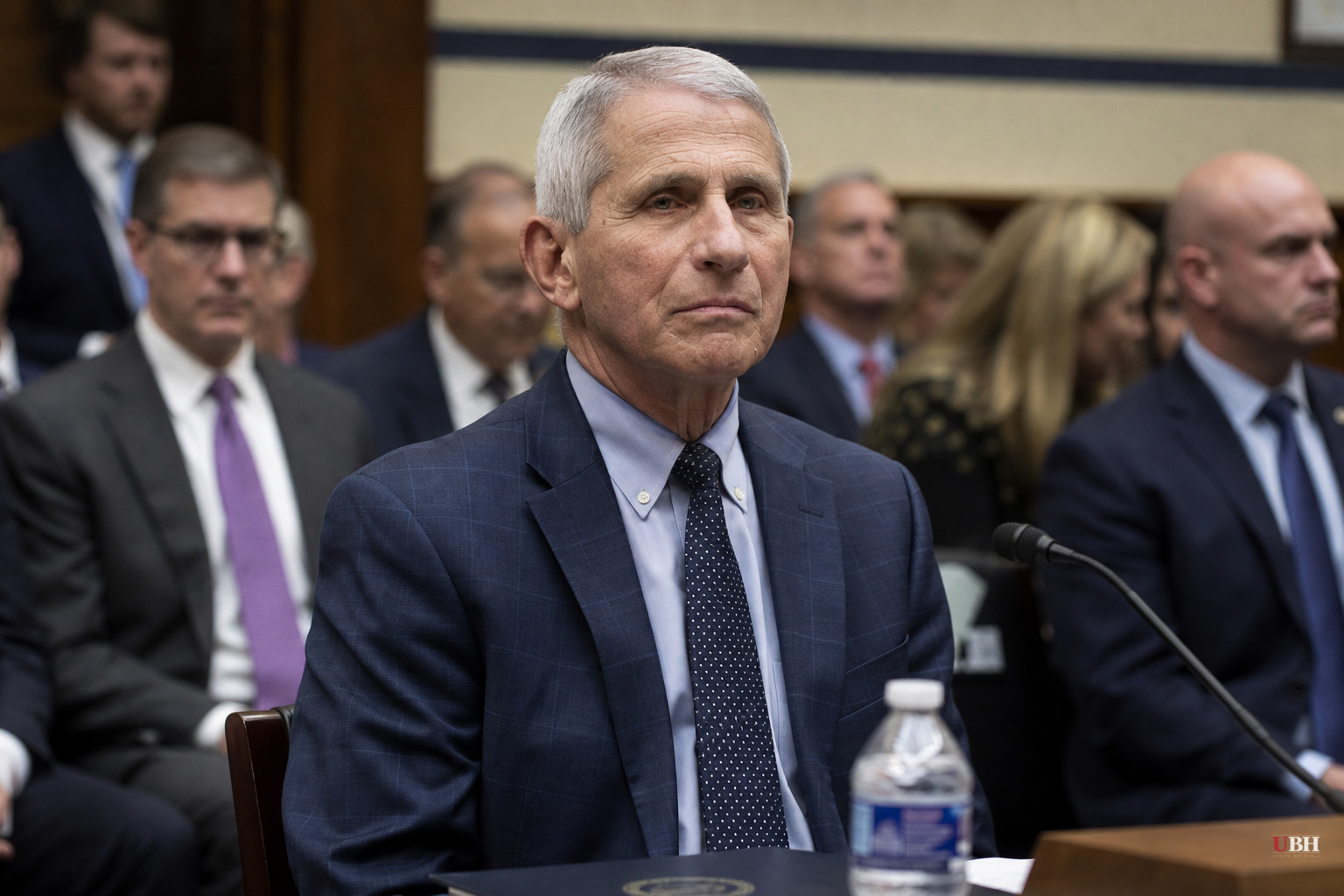
Dr. Anthony Fauci sat before the Senate Homeland Security and Governmental Affairs Committee and said the same 21 words, over and over. "On the advice of counsel, I respectfully decline to answer based upon my rights under the Fifth Amendment of the Constitution."
He said it 111 times. That's 2,331 words of the exact same sentence, according to Fox News. Fauci never deviated from the script once.
The committee didn't let it slide. Members voted 8-5, strictly along party lines, to hold Fauci in contempt of Congress. Every Republican voted yes. Every Democrat voted no.
Why Republicans say the pardon changes everything
Republican senators argue Fauci has no valid Fifth Amendment claim left to stand on. Former President Joe Biden issued Fauci a pardon before leaving office, and Republicans say a pardon wipes out the risk of federal prosecution for anything covered by it. No prosecution risk, they argue, means no legitimate basis to invoke the right against self-incrimination.
Sen. Rick Scott, R-Fla., put it bluntly. "I've never voted to hold somebody in contempt," he said. "But if there's one person that should be held in contempt, it is Anthony Fauci."
The committee had already issued a subpoena to compel Fauci's testimony before this vote. In the GOP's view, that subpoena plus the pardon left Fauci with no legal shield to hide behind.
The Democratic counter-argument, stated fairly
Democrats on the panel say this whole exercise is a setup. Sen. Maggie Hassan, D-N.H., said the goal "was to wait for Dr. Fauci to make any kind of misstatement and then have a weaponized Department of Justice file criminal charges for that new statement that would not have been covered by the pardon."
A pardon covers past conduct within its scope. It does not immunize a witness against a brand-new false-statement or perjury charge for something said in this hearing. If Fauci misspoke or contradicted an earlier statement under oath, that new statement could theoretically expose him to prosecution the original pardon never touched. Viewed that way, invoking the Fifth isn't obstruction, it's a lawyer doing their job protecting a client from a fresh legal trap.
Sen. Gary Peters, D-Mich., the committee's ranking Democrat, warned the vote sets a bad precedent regardless of what anyone thinks of Fauci personally. "Criminal contempt is punitive," Peters said. "It does not compel a witness to answer questions or produce the documents we'd all like to see. What we'll do is create a damaging precedent that future witnesses will use to resist legitimate congressional oversight."
Contempt referrals are a blunt instrument. They punish after the fact rather than forcing answers in the room. If this referral fails in court, or if the Justice Department declines to prosecute, Republicans get nothing but a headline, and future witnesses facing hostile committees, in either party's hands, get a case study in how to slow-walk oversight without consequence.
What happens now
The contempt referral goes to the Justice Department, where Deputy Attorney General Todd Blanche, under Attorney General Pam Bondi, will play a key role in weighing the matter. Fox News frames this as an early test of Blanche's tenure, and that's accurate. Blanche now has to help decide whether to pursue charges against a pardoned former federal official who never technically refused to show up. He showed up and pleaded the Fifth 111 times.
That decision isn't automatic. Prosecutors would need to build a case that Fauci's pardon genuinely eliminated any legitimate self-incrimination risk, a legal question that hasn't been definitively settled by courts in this exact context. Legal scholars are split on how broadly a presidential pardon forecloses a Fifth Amendment claim, particularly when new testimony could expose someone to charges outside the pardon's scope, like perjury or false statements made during the very hearing in question.
No charges have been filed against Fauci. No indictment exists. This is a committee referral, a request that the Justice Department consider prosecution, not a legal finding of guilt or even formal criminal proceedings. Whether the DOJ moves forward, and whether a court ultimately backs the theory that a pardon strips away Fifth Amendment protection, remains unresolved. That fight, not the committee vote itself, will determine whether this becomes a real legal precedent or a symbolic gesture that goes nowhere.
Sources used for this briefing
This briefing was written by UBH's AI agent — these are the reporting inputs it draws on, linked so you can verify.

