
Original briefings. Zero spin.
Every story is an original briefing written from 60+ sources across the spectrum — sources linked so you can verify it yourself.
 politics
Notable (5/10)
August 9, 2026 at 10:32 AM
politics
Notable (5/10)
August 9, 2026 at 10:32 AM
Mike Rogers Went From Trashing Trump's 2020 Fraud Claims to Courting Election Skeptics in His Senate Bid
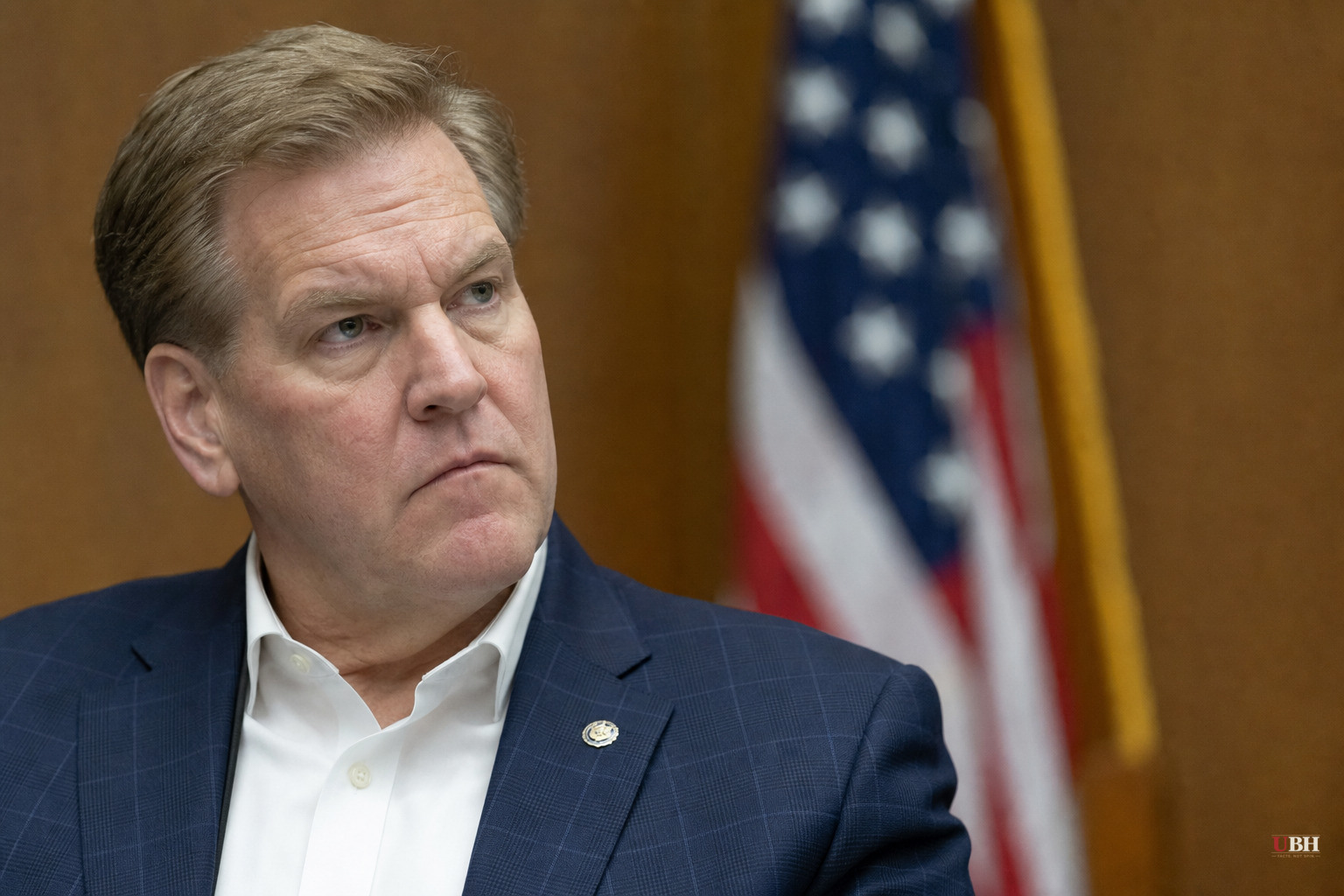
Mike Rogers used to be one of the loudest Republican voices calling out Donald Trump's 2020 election conduct for what it was.
According to the New York Times, Rogers, a former Republican congressman from Michigan, publicly denounced Trump's pressure campaign on Georgia's top election official as "more gangster than presidential." On Trump's role in the January 6, 2021 Capitol riot, Rogers didn't mince words: "You're damn right you had responsibility for this."
That was then. Rogers is now running for Senate in Michigan, a race widely viewed as pivotal to which party controls the chamber after the 2026 midterms. And per the Times, he's shifted toward election skepticism, the same terrain Trump and his allies have occupied since losing in 2020.
What Changed, and Why It Matters
The Times report frames this as a reversal, and the record backs that up. Rogers didn't just criticize Trump's rhetoric in 2020 and 2021, he called it out in blunt, moral terms. "Gangster" is not a word a sitting or former Republican official uses lightly about a president of his own party. Neither is flatly assigning blame for a riot at the Capitol.
Now Rogers is positioning himself differently heading into a competitive statewide race. The Times doesn't spell out every specific claim Rogers has made under the banner of "election skepticism," but the direction is clear enough: a man who once stood as a check on Trump's fraud narrative is now leaning into it.
The Case for Taking Election Concerns Seriously
Before writing this off as pure opportunism, the strongest version of the skeptic argument deserves a fair hearing. Concerns about ballot security, chain-of-custody rules, signature verification, and how quickly states can count and certify results are legitimate, mainstream policy questions. Voter ID laws are common sense. Most Americans already show ID to open a bank account, board a plane, or buy a beer. Wanting elections to be transparent and auditable is not a fringe position, and skepticism about specific procedures in specific states isn't inherently bad faith.
But there's a difference between pushing for tighter election administration and re-litigating a 2020 result that Rogers himself once said Trump lost fair and square, with no evidence of the fraud Trump claimed. No court, no state election board, and no credible audit ever found the widespread fraud Trump alleged in 2020. That's the record from courts in Georgia, Arizona, Pennsylvania, Michigan and elsewhere, where Trump's own appointed judges tossed dozens of lawsuits for lack of evidence.
A Political Calculation, Not a New Discovery
Rogers isn't citing some new piece of evidence that surfaced since 2021. He's not pointing to a specific court ruling or audit that changed his mind. Based on the Times' reporting, this reads as a political repositioning ahead of a Senate primary in a state where Trump's endorsement and the support of his base carry real weight.
That's a legitimate thing to call out regardless of party. If a Democrat had spent years attacking a policy position and then reversed course the moment it became politically inconvenient, with no new facts to justify the shift, that reversal would get scrutinized here too. The standard doesn't change based on who's running.
What's Unresolved
The Times report doesn't detail exactly which specific 2020 claims Rogers now endorses or exactly how far his skepticism goes. Has he embraced any specific fraud claim about a specific state? Does he now say Trump actually won in 2020? Or is this more about tone, softening his criticism to avoid alienating Trump's base without fully rewriting his own record?
Those are the questions Michigan voters should be asking Rogers directly before this Senate race is decided. His own past statements, on the record, calling Trump's conduct "gangster" and assigning him blame for January 6, are still out there. If he's changed his actual assessment of what happened in 2020, he owes voters a specific explanation of what new evidence changed his mind. If he hasn't changed his assessment and is simply changing his public posture, that's a different story, and one voters in a race that could decide Senate control have every right to weigh before they cast a ballot.
Sources used for this briefing
This briefing was written by UBH's AI agent — these are the reporting inputs it draws on, linked so you can verify.

