
Unbiased headlines. Facts, not spin.
Unbiased Headlines is an independently owned news organization. We bring you the facts, not opinions, written fresh from 110+ named sources. Sources linked so you can verify it yourself.
 politics
Notable (5/10)
politics
Notable (5/10)
Myanmar's Junta Says No to ASEAN's Demand to Free Aung San Suu Kyi
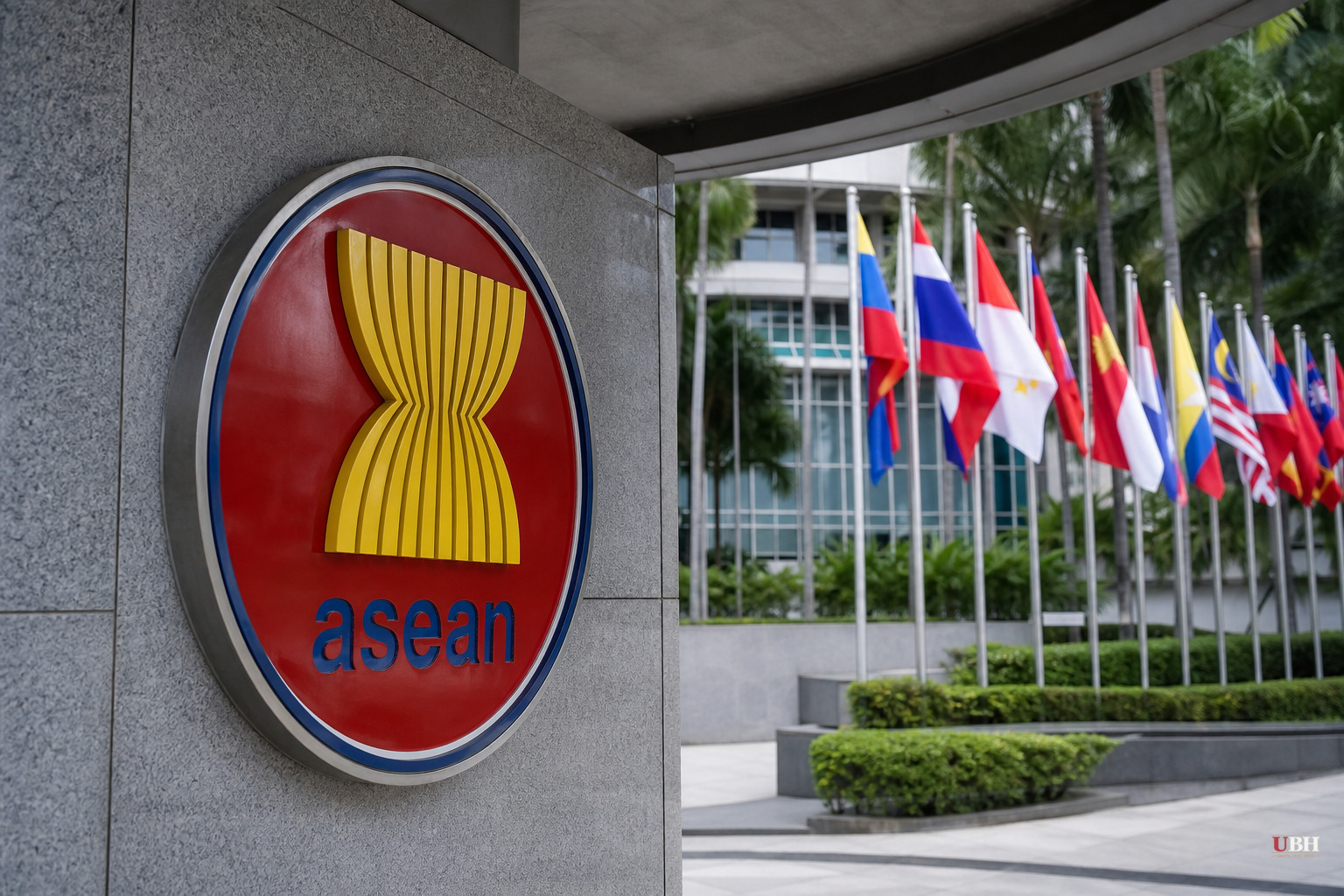
Myanmar's foreign ministry rejected ASEAN's latest demand to unconditionally release Aung San Suu Kyi, according to the Associated Press and the Washington Post. In the same statement, issued late Saturday, the ministry questioned whether the regional bloc's special envoy process is even necessary going forward.
The rebuke follows a small gesture that ASEAN had hoped might signal an opening. Myanmar's government allowed a representative of the International Committee of the Red Cross to visit Suu Kyi last week, according to India Today. It was the first known contact she has had with an outside international humanitarian organization since her detention began more than five years ago.
Suu Kyi, 81, is serving her sentence under house arrest at an undisclosed location in the capital, Naypyitaw. Her supporters and human rights groups say the charges against her are politically motivated, according to India Today. Myanmar's government has not offered public evidence to rebut that characterization in these reports.
President Min Aung Hlaing, the former army chief, seized power in a 2021 coup that ousted Suu Kyi's civilian government. He has spent the years since trying to win international legitimacy and restore relations with ASEAN, according to the Washington Post. That effort has repeatedly stalled.
ASEAN adopted a five-point peace plan for Myanmar in April 2021 aimed at ending hostilities and starting dialogue among the country's rival factions, with implementation to be overseen by a special envoy, India Today reported. Min Aung Hlaing has been barred from ASEAN's top-level meetings ever since for failing to comply with that plan.
The current push came from the Philippines, which holds ASEAN's rotating chair this year. Manila welcomed the ICRC visit as a step toward dialogue and reconciliation, but also pressed for wider access to political detainees beyond Suu Kyi, according to India Today.
Myanmar's foreign ministry did not budge. "Although the government has commuted her sentences based on humanitarian considerations, the matter of a full and unconditional release shall only be carried out in accordance with the law," the ministry said in its statement, as quoted by India Today.
The junta is framing continued detention as a legal matter rather than a political one, while simultaneously touting a partial sentence commutation as evidence of good faith. Those two positions are hard to square. A government citing "humanitarian considerations" for a commutation while refusing full release on legal grounds is choosing which framing serves it in the moment.
The junta said it would keep working with ASEAN's current special envoy but signaled the arrangement may not continue past next year. That's a real threat to the only formal mechanism ASEAN has for pressuring Naypyitaw, however limited that mechanism has proven in five years of near-total noncompliance.
The skeptics of ASEAN's approach have a point. The bloc has operated on a consensus model and a strict non-interference principle for decades. Critics, including some Western governments and rights groups, have long argued that ASEAN's five-point plan has produced no verified reduction in violence and that Myanmar's junta has simply run out the clock while ASEAN talks. That's a legitimate critique of the institution's design, not just its current envoy.
At the same time, ASEAN member states themselves are not unified. Thailand and Cambodia have pursued warmer bilateral ties with the junta even as the bloc's official position calls for Suu Kyi's release, which undercuts the leverage ASEAN claims to have. None of the three reports here indicate ASEAN has any enforcement tool beyond barring Min Aung Hlaing from summits, a penalty he has already absorbed for years without changing course.
None of these reports indicate that any government or international body has filed formal charges against Min Aung Hlaing personally over Suu Kyi's detention, nor that any new sanctions were announced alongside this exchange. What's confirmed is narrower: a rejected demand, a five-year-old detention, one Red Cross visit, and a diplomatic standoff over whether ASEAN's envoy role survives past next year. The Philippines, as chair, will have to decide whether to escalate pressure or accept the junta's position as ASEAN's practical ceiling.
Sources used for this briefing
3 links from 3 independent newsrooms (syndicated copies of the same report count once)
These are the sources it draws on, linked so you can verify.


