
Unbiased headlines. Facts, not spin.
Unbiased Headlines is an independently owned news organization. We bring you the facts, not opinions, written fresh from 110+ named sources. Sources linked so you can verify it yourself.
 politics
Major Story (7/10)
Event date: October 23, 2026 ·
Gaza Bakers Say 10 of 17 Commercial Bakeries Have Closed After 10 Days Without Flour Deliveries
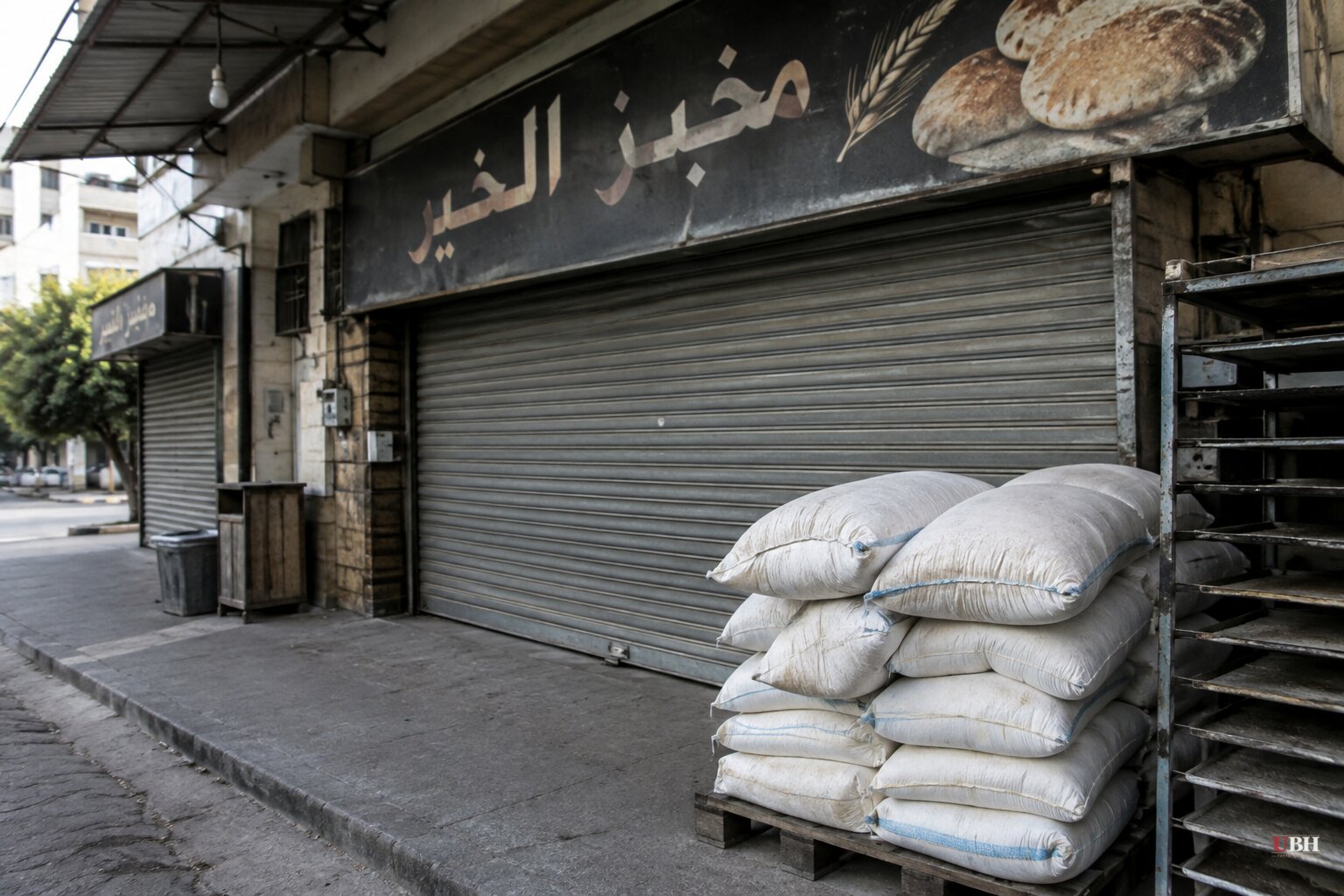
Since Israel suspended commercial shipments into Gaza on Oct. 14, the flour supply that feeds the Strip's commercial bakeries has dried up, according to the people who run them.
Abdel Nasser al-Ajrami, head of the Association of Bakery Owners in Gaza, said 10 of the 17 operational commercial bakeries have shut for lack of flour. He said no flour shipments have been allowed in for 10 days.
The seven still running could close within 48 hours unless deliveries resume, al-Ajrami told the Palestinian news agency Wafa on Thursday, Oct. 22. Flour stocks in warehouses across Gaza have run out, he said.
Queues and empty markets
Residents are queuing for hours for bread. Photographs from a bakery in Al-Bureij, in central Gaza, on Oct. 22 show crowds around a single counter.
The Euro-Mediterranean Human Rights Monitor said its field teams found severe shortages of fruit, vegetables and other essentials in markets. Much of what remained was unaffordable for families whose savings are gone after the war and repeated displacement, the group said.
Maysa Yousef, an artist and mother of three in central Gaza, told Arab News her husband went shopping Thursday evening and came back with nothing. "All I can find is a couple of grapefruits," he told her. The family is living off a little rice, lentils and pasta.
What Israel said, and what remains blocked
Israel suspended all commercial shipments on Oct. 14, citing an alleged tax dispute between merchants and the Hamas-led authorities. Hamas and Palestinian importers deny the claim.
Israel said shipments would resume five days later, and authorities announced a gradual restart on Oct. 19. Palestinians say wide restrictions remain. Vegetables, fruit, frozen foods and other staples are still barred from entry, according to the Gaza bakers' association and traders.
Gaza's Ministry of Social Development went further. It accused Israel of a "systematic policy of starvation and the use of food as a weapon against unarmed civilians" and warned of an "imminent humanitarian catastrophe" affecting hundreds of thousands of people. That is the ministry's characterization. The documented facts are the Oct. 14 suspension, the stated tax-dispute rationale, and the bakers' account that flour has not arrived since.
Aid shrinking at the same time
The World Food Programme announced on Oct. 19 that it must cut Gaza aid because of a funding shortfall. It is reducing beneficiaries from about 1.6 million to 1.1 million, with smaller rations and fewer hot meals.
Al-Ajrami said the 21 bakeries the WFP supports meet only 25 percent of Gaza's bread needs. Commercial bakeries cover much of the rest.
UN and Integrated Food Security Phase Classification (IPC) data indicate that 1.4 million people, about two-thirds of Gaza's population, face crisis-level food insecurity or worse. Another 200,000 are at emergency levels. The ministry says acute malnutrition is rising among children, patients and older people.
The ceasefire yardstick
Under the ceasefire signed in October 2025, Israel pledged to allow at least 600 aid trucks into Gaza each day. Middle East Eye put the current average at about 200 trucks daily, a third of the target.
The shortfall in aid is partly a money problem, not only an access problem. The WFP cut is attributed to funding, not to any blockade. The commercial flour gap is an access problem, tied to the Oct. 14 suspension and the restrictions that followed.
The Euro-Med monitor has warned of a return to the famine conditions Gaza saw in 2025. No formal IPC famine declaration for the current period appears in the reporting.
What to watch
The bakers' 48-hour warning, issued Thursday, expires this weekend. Whether a flour convoy gets through before the last seven commercial bakeries go dark is the immediate test. Israel has not said whether wheat flour is among the goods still restricted, and it has not publicly responded to the bakers' account of a 10-day gap.
Sources used for this briefing
7 links from 6 independent newsrooms (syndicated copies of the same report count once)
These are the sources it draws on, linked so you can verify.


