
Unbiased headlines. Facts, not spin.
Unbiased Headlines is an independently owned news organization. We bring you the facts, not opinions, written fresh from 110+ named sources. Sources linked so you can verify it yourself.
 politics
Low Interest (3/10)
politics
Low Interest (3/10)
Old Crow Medicine Show's Ketch Secor Called on Country Stars to Speak Out on Guns After 2023 Nashville School Shooting
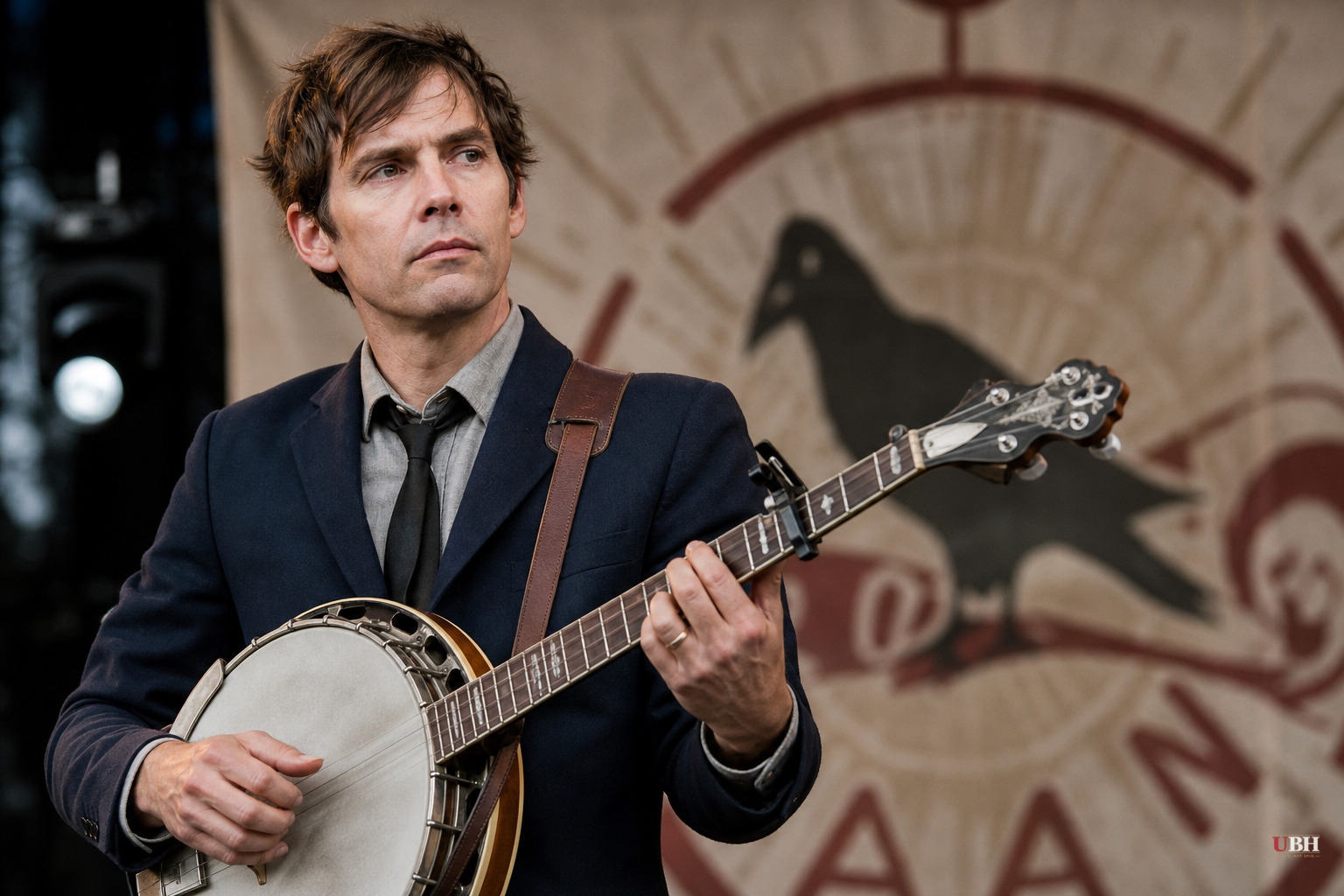
In the days after a shooter killed three children and three adults at Covenant School in Nashville on March 27, 2023, country musician Ketch Secor decided he was done staying quiet.
Secor, founding member of the Grammy-winning band Old Crow Medicine Show, wrote an op-ed in The New York Times calling on country music stars to abandon their fear of fan backlash and speak up on gun policy. He expanded on that argument in an April 2023 interview on CNN's podcast The Assignment with Audie Cornish, describing what it was like being both a musician and a parent in Nashville in the aftermath of the shooting.
The interview leaned heavily on the industry's most famous cautionary tale: Natalie Maines of The Chicks. In 2003, Maines criticized then-President George W. Bush from a London stage over the Iraq War. The backlash was severe and lasting. Country radio stations pulled the group's music, fans burned their albums, and the trio's commercial standing in Nashville never fully recovered. Secor argued that memory has kept country artists from touching hot-button issues like gun control ever since, even as mass shootings kept happening in their own backyard.
Then-Nashville Mayor John Cooper attended a vigil for the Covenant victims and thanked musicians directly, calling them "custodians" of a gift the community needed in that moment. First Lady Jill Biden also attended. Secor performed "Will the Circle Be Unbroken" at the gathering.
Secor's underlying argument: he wasn't calling for gun confiscation or blanket bans. He specifically pointed to assault rifles and argued that artists with massive platforms and rural, gun-owning fan bases were uniquely positioned to have a credible conversation about firearm policy that politicians on either coast couldn't have. His pitch was that silence itself was a political choice, one that let the loudest voices on both sides dominate an issue affecting country music's own audience.
There's a reasonable counter to that. Plenty of country artists and their fans would argue that musicians aren't obligated to become policy advocates just because tragedy struck their hometown, and that the backlash Maines faced wasn't some conspiracy to punish dissent. It was consumers exercising their own free choice not to buy music from an artist whose politics they disagreed with. That's the market working, not censorship. Fans have every right to stop listening to an artist over policy disagreements, the same way they have a right to start.
What actually happened in the three years since Secor's call to action is worth measuring against the ask. There was no organized wave of major country stars following Secor into gun-policy advocacy. Some artists, including Maren Morris and Kacey Musgraves, have periodically weighed in on gun violence following mass shootings, but Nashville's biggest commercial stars, the ones who dominate country radio and stadium tours, have largely stayed where they always were: quiet on guns, focused on music.
The Covenant School shooting itself did produce policy movement in Tennessee, separate from anything in the music industry. Tennessee lawmakers passed a narrower measure in 2023 aimed at keeping firearms from people found by a court to be a danger to themselves or others, though the legislature rejected broader red-flag proposals pushed by gun-control advocates and Covenant parents who lobbied at the state capitol that spring.
Secor's argument was never really about winning a legislative fight. It was about whether Nashville's culture-shaping industry would treat gun violence as fair game for its artists to discuss the way it treats heartbreak, faith, or hard living. Three years on, the answer from the industry's commercial center has mostly been no, and the calculation Natalie Maines learned the hard way in 2003 still appears to be running the show.
Sources used for this briefing
1 link from 1 independent newsroom (syndicated copies of the same report count once)
These are the sources it draws on, linked so you can verify.


