
Unbiased headlines. Facts, not spin.
Unbiased Headlines is an independently owned news organization. We bring you the facts, not opinions, written fresh from 110+ named sources. Sources linked so you can verify it yourself.
 politics
Major Story (8/10)
5th Circuit Rules 10-7 That Detained Immigrants Have No Constitutional Right to Bond Hearings
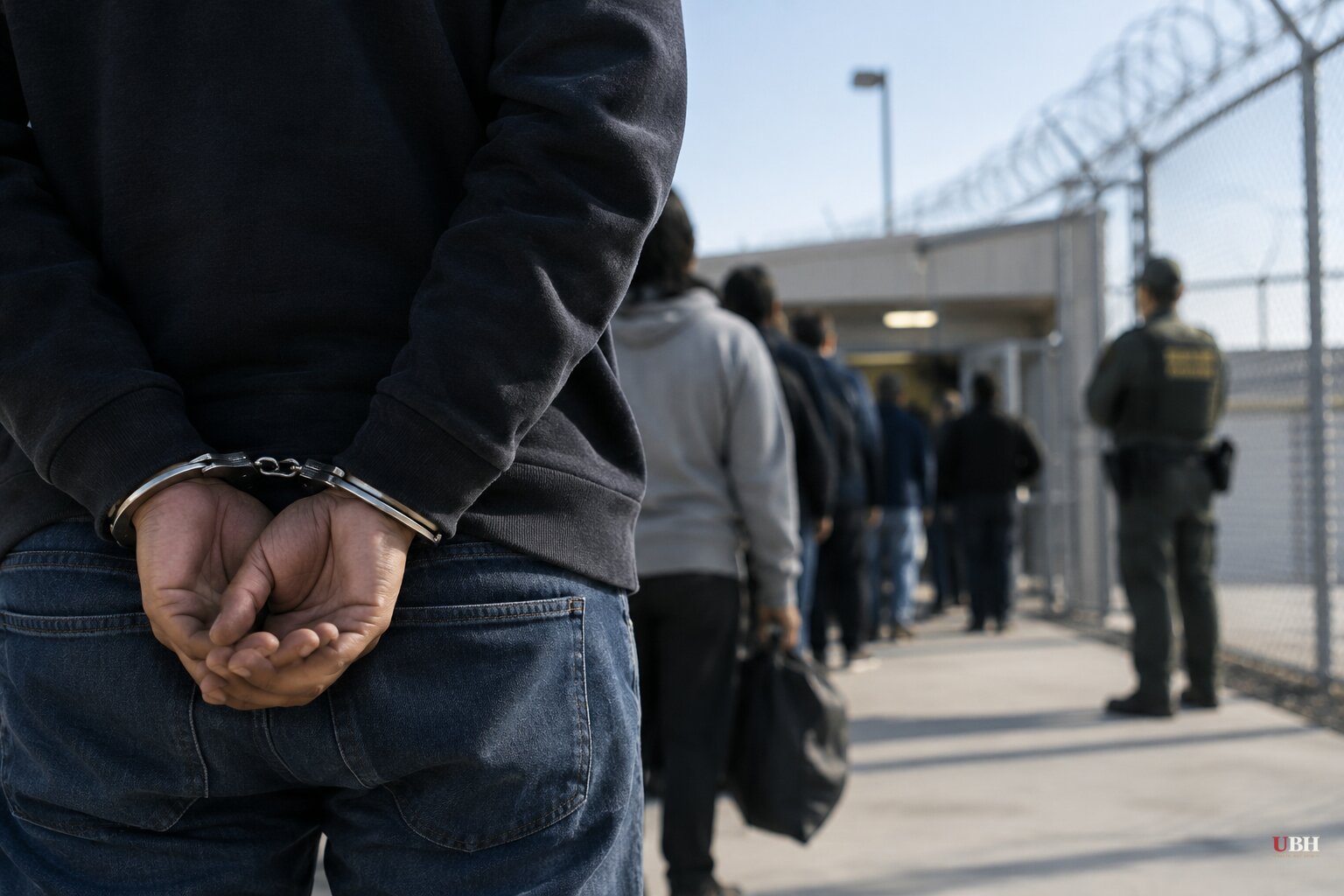
The full 5th U.S. Circuit Court of Appeals ruled 10-7 on Friday, Oct. 23, that the Trump administration does not have to give detained immigrants a chance to seek release on bond. The court said the Fifth Amendment's due process clause does not require it.
The decision covers immigrants who entered the country illegally and were never legally admitted. It applies in the three states under the court's jurisdiction: Texas, Louisiana and Mississippi.
What the court held
Judge Cory Wilson, a Trump appointee, wrote for the majority. Immigrants who were never admitted are entitled only to the process Congress has spelled out in immigration law, he wrote.
On the liberty question, Wilson wrote: "To the extent petitioners seek to vindicate a liberty interest to be free from physical restraint in the most abstract sense, they can do so at any moment by agreeing to leave the country."
The majority framed the case as one about who sets immigration policy. "Controlling illegal immigration is, no doubt, an important and controversial issue of public policy. But the Constitution entrusts broad authority to delineate immigration policy... to Congress—not court," the opinion said. It added that neither the appeals court nor district courts are "free to ignore that bedrock principle and rewrite the immigration policy Congress has enacted."
Judge Andrew Oldham concurred. Because such immigrants "remain legally unadmitted," he wrote, they get "exactly the same due process rights that they would have if they had come through a legal port of entry — which are whatever rights Congress chooses to give them."
Judge James Ho also concurred. He wrote that because the petitioners are free to leave the country at any time, "what Petitioners seek is not liberty, but license to violate our national sovereignty."
The three men at the center
The case began with three men stopped by Texas state troopers during routine traffic stops between November 2025 and February 2026. They are Ignacio Sosnava Rodriguez, Miguel Angel Gomez Alvarado and Alejandro Villegas Angel. Two are Mexican citizens and one is Honduran.
All three had lived in the U.S. for at least 14 years, had worked here and have American-citizen children. Troopers handed them to ICE, which held them without a hearing before a judge.
Federal district judges found that detention without a bond hearing violated their due process rights. The men were released, and the courts barred the government from detaining them again until bond hearings assessed danger and flight risk. The full Fifth Circuit has now vacated those orders.
A court that changed its own mind
The administration's position rests on a July 2025 policy treating immigrants who are inside the country but were never admitted as subject to mandatory detention. The Fifth Circuit adopted that reading of the statute in February.
In July, a 2-1 panel held that ICE could not constitutionally detain people for more than 90 days without a bond hearing. The full court agreed to rehear the case and reversed that ruling Friday.
The stakes are larger in this circuit than most. Texas and Louisiana house the largest numbers of immigration detainees in the country.
The dissents and the challengers
Seven judges disagreed. Judge Leslie Southwick, a George W. Bush appointee, wrote that the ruling creates an "impenetrable wall between the Constitution and these long-term residents."
Judge Dana Douglas, a Biden appointee, wrote that "unchecked, executive authority to arrest and detain, indefinitely, echoes fearfully from history."
Rebecca Cassler, the American Immigration Council attorney who argued the case, called the decision an attack on constitutional protections meant to cover everyone in the country. "Because of today's decision, that right is hollow for immigrants in Texas, Louisiana, and Mississippi," she said.
Ellie Norton, a lawyer for the petitioners at the National Immigration Project, said the ruling "opens the door to more people being locked up for no reason, with devastating consequences for them, their loved ones and their community."
On the other side, James Percival, general counsel of the Department of Homeland Security, called it a "big win in the 5th Circuit on mandatory detention for illegal aliens."
A split among the circuits
The 5th Circuit is not alone. The 8th Circuit has also sided with the administration. Four other appeals courts have gone the other way, holding that a different part of immigration law governs and that detainees are entitled to bond hearings.
The Supreme Court agreed this month to take up the dispute. Its review is limited to whether the statute requires bond hearings. It is not considering the constitutional question the 5th Circuit decided Friday.
That gap matters. If the justices side with the administration on the statute, the 5th Circuit's constitutional holding would close off the remaining route for detainees in its three states. If they side with the detainees on the statute, the bond-hearing question may be settled without the constitutional ruling ever being tested.
The New Republic reported that federal judges have ruled against detention without bond more than 21,150 times in the past year, and that the Fifth Circuit's decision cuts off the constitutional argument behind many of those rulings. The administration has not said how many detainees in the three states are affected.
The constitutional holding stands in the 5th Circuit for now. Whether it reaches the Supreme Court depends on whether the detainees seek review of Friday's ruling.
Sources used for this briefing
7 links from 5 independent newsrooms (syndicated copies of the same report count once)
These are the sources it draws on, linked so you can verify.


