
Unbiased headlines. Facts, not spin.
Unbiased Headlines is an independently owned news organization. We bring you the facts, not opinions, written fresh from 110+ named sources. Sources linked so you can verify it yourself.
 politics
Major Story (8/10)
Event date: October 21, 2026 ·
Brazil Votes Sunday in Runoff as Polls Show Lula and Flávio Bolsonaro Effectively Tied
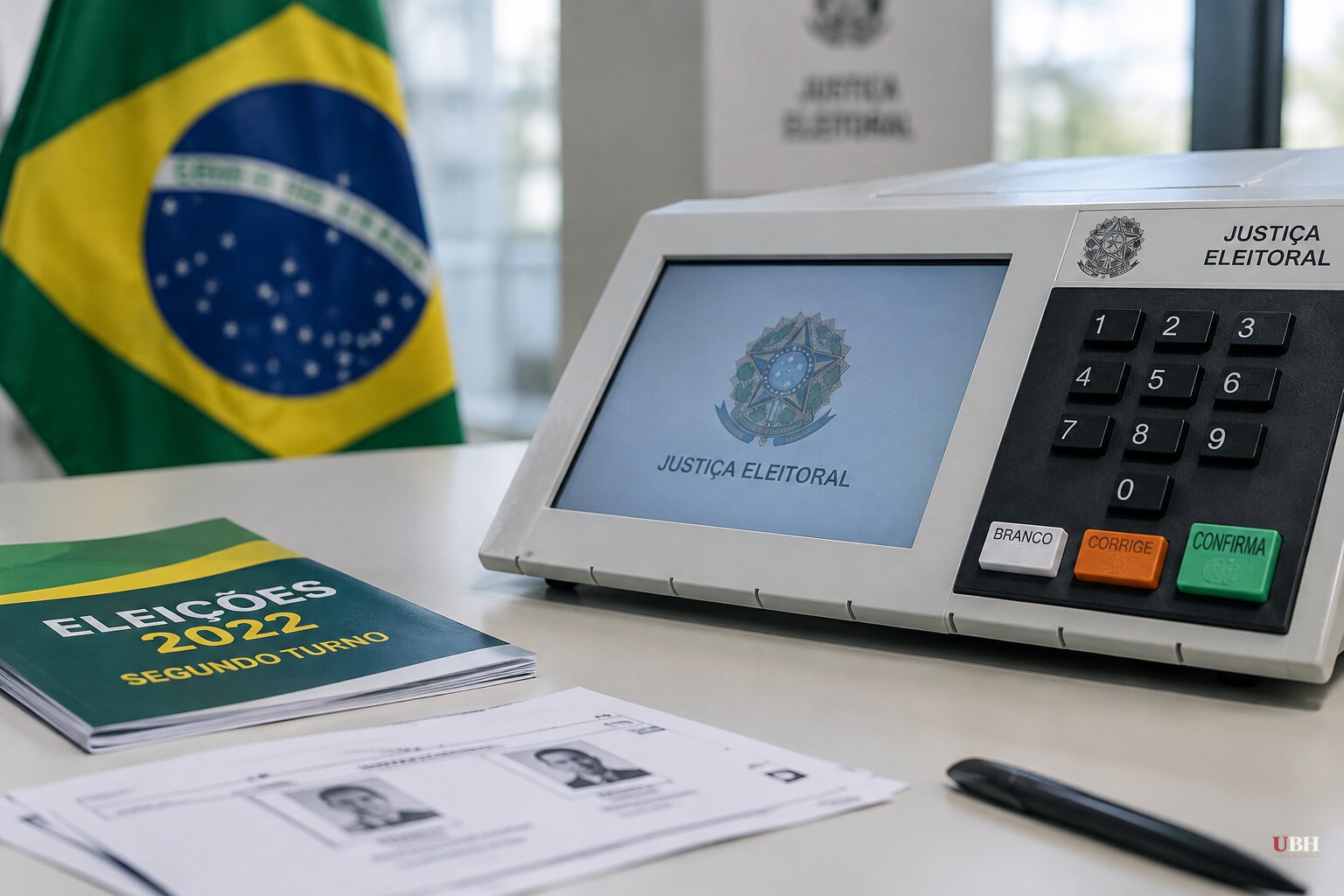
Brazil picks its president this Sunday, Oct. 25, and nobody can credibly say who wins.
Incumbent Luiz Inácio Lula da Silva, 80, is seeking a fourth term. Challenger Flávio Bolsonaro, a 45-year-old senator and son of former President Jair Bolsonaro, finished first in the Oct. 4 opening round. Neither cleared the 50% needed to win outright.
How the first round ended
With 99.57% of the vote counted, Bolsonaro had 47.12%, or nearly 56 million votes. Lula had 45.05%, about 53.5 million. Self-help author Augusto Cury was a distant third at 2.89%, and 13 candidates were on the ballot.
Bolsonaro beat the final pre-election polls, which had the pair within the margin of error. His lead also shrank as ballots from the Northeast, a Workers Party stronghold, came in. Lula carried most northern states. Bolsonaro won Rio de Janeiro, São Paulo and the south.
The runoff is winner-take-all. Whoever gets the most votes wins, by any margin.
A race the polls can't separate
The latest surveys show a statistical tie. On the Council on Foreign Relations podcast The Spillover, host Rebecca Patterson said prediction markets still favor Bolsonaro "by a wide margin," while polls say the race is "effectively tied." The Atlantic Council describes polls showing Bolsonaro with a narrow lead.
Polling error is a live question. Electoral strategist Roberto Reis, who works with candidates across Brazil, argues that Datafolha, the country's largest pollster, has underestimated candidates running against Lula's Workers Party for over a decade. He says it missed Jair Bolsonaro's 2018 runoff number by 7 points. Reis cited aggregator data that had Bolsonaro ahead 45% to 44% in a runoff matchup.
Bloomberg reported that Wall Street strategists who urged clients to load up on Brazilian assets after Bolsonaro became the frontrunner are about to find out whether that call was right.
Money, debt and the fiscal test
The market bet is simple: Bolsonaro pledged to cut spending and stabilize Brazil's debt. Patterson said investors are applauding those pledges, but she questioned whether they will be disappointed, noting that campaign talk about austerity is very different from delivering it in office. CFR's Shannon O'Neil joined her to discuss why voters and investors want different things from Brazil's leadership.
Atlantic Council analyst Alejo Czerwonko frames it as two paths facing one fiscal imperative. Whoever wins inherits the same debt problem.
Washington's shadow
U.S. policy is part of the campaign. On July 15 the Trump administration announced a 25% tariff on some Brazilian imports after a year-long investigation. U.S. Trade Representative Jamieson Greer said negotiations with Lula's government failed to resolve concerns over digital trade, intellectual property, ethanol market access and illegal deforestation. Beef, coffee, crude oil and aircraft parts are exempt.
Brazil's government said there was "no justification" for the unilateral tariffs and pointed out that the United States runs a trade surplus with Brazil. Lula's office said it would challenge the tariffs through the World Trade Organization and pursue measures under Brazil's reciprocity law.
Lula has also warned of foreign interference in the election. A State Department spokesperson called a planned visit by Assistant Secretary Riley Barnes and Deputy Assistant Secretary Samuel Samson routine, and described allegations of a plot to undermine the election as baseless. The spokesperson said the officials planned meetings to discuss election integrity, religious freedom and freedom of expression.
The Trump administration has designated Brazil's major gangs as terrorist organizations. Bolsonaro agrees with that move. Lula rejects it.
The baggage on both sides
Jair Bolsonaro is serving a sentence of more than 27 years for plotting a coup after his 2022 loss. Flávio Bolsonaro has promised to seek amnesty for his father and to strengthen ties with the United States and Israel. Breitbart reports that he launched his run after the Supreme Federal Tribunal, the same court that allowed Lula to run again, imprisoned his father.
Lula served time in jail after a corruption conviction. The court later overturned the ban on him holding office, and he beat Jair Bolsonaro narrowly in 2022. Fox News, citing a poll described by Bloomberg, noted that the two candidates were deadlocked less than two weeks before the first round, following fresh revelations about Flávio Bolsonaro's ties to a jailed banker at the center of a massive fraud scheme.
What the Senate map means
The first round already changed the power math. Atlantic Council fellow James Story, a former U.S. ambassador to Venezuela, said Bolsonaro's Liberal Party won 19 of 54 Senate seats on Oct. 4 and will hold the chamber's largest bloc, 28 of 81, next year.
With alliances, Story said, the right would command roughly 49 senators, enough to meet the three-fifths threshold for constitutional amendments. It would also move within reach of the 54 votes needed to remove a Supreme Court justice, potentially including Justice Alexandre de Moraes, whom Story called Bolsonaro's chief antagonist.
The Atlantic Council notes that Lula would face a harder Congress and need broader negotiations to move his agenda. His foreign policy would likely keep stressing sovereignty and diversified trade partners while negotiating with Washington over tariffs.
What happens after Sunday
Story expects Bolsonaro's first move to be a push for an Agreement on Reciprocal Trade with the United States. He cautions that seeking relief is not the same as getting it. Argentina's Javier Milei won relief on over a thousand products, yet U.S. tariffs on steel and aluminum remain "under review" and the deal still awaits ratification in Argentina.
Sources used for this briefing
7 links from 7 independent newsrooms (syndicated copies of the same report count once)
These are the sources it draws on, linked so you can verify.


