
Unbiased headlines. Facts, not spin.
Unbiased Headlines is an independently owned news organization. We bring you the facts, not opinions, written fresh from 110+ named sources. Sources linked so you can verify it yourself.
 politics
Major Story (7/10)
Minnesota Says DOJ Halted Evidence Transfer in Good and Pretti Shootings, Asks Judge to Compel Handover
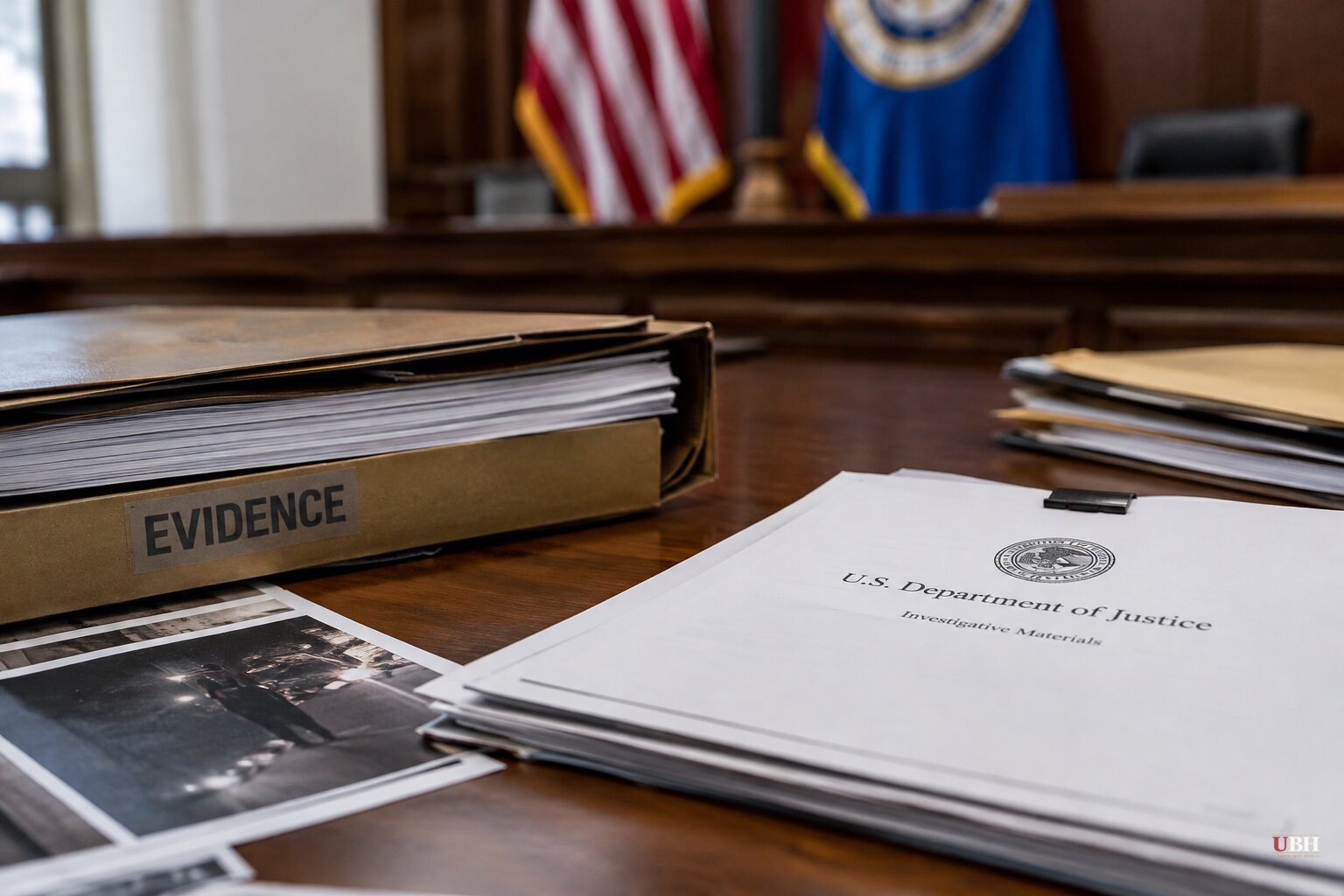
Minnesota says the federal government stopped handing over evidence in the killings of Renee Good and Alex Pretti. The Justice Department says it doesn't have to share it.
That is the dispute in a federal lawsuit in Washington, D.C. Minnesota filed it in March against the Justice Department and the Department of Homeland Security over evidence in three shootings by federal agents during the immigration enforcement surge in Minneapolis earlier this year.
On Oct. 13, the state asked the judge to rule in its favor without a trial and order the agencies to hand over the evidence. DOJ attorneys filed their reply Tuesday, Oct. 20.
What happened to the evidence
An ICE officer shot Good, a 37-year-old mother of three, on Jan. 7 as she left a Minneapolis protest. Bystander video shows her in the driver's seat of an SUV when masked officers ordered her out. She began to pull forward, and an officer in front of the vehicle fired at the windshield, then fired twice more from beside the open driver's window. Federal officials said at the time the officer acted in self-defense.
Pretti, also 37, was a nurse shot weeks later while protesting and filming officers. He was legally carrying a gun, which an officer took from him moments before the shots.
In June, the U.S. Attorney's Office for Minnesota and the state Bureau of Criminal Apprehension (BCA) reached a written agreement to share evidence. On July 13, Hennepin County Attorney Mary Moriarty announced investigators had received hard drives holding officer statements and body camera footage, plus the SUV Good was driving. "Now we have all the evidence," she said then.
That turned out not to be true. According to the state's filing, the transfers stopped soon after. Moriarty says the U.S. attorney's office told her on Sept. 10 that sharing would be paused indefinitely "in light of challenges with D.C." The filing says the official could not say when it might resume.
What Minnesota still doesn't have
BCA Superintendent Drew Evans laid out the gaps in a sworn declaration. In the Good case, federal authorities still hold her clothing, the cellphone of the officer who killed her, and recordings of interviews about the shooting.
In the Pretti case, Evans said the state has not received the firearms used by the officers who shot him, the gun taken from Pretti before he was shot, the officers' cellphones, projectiles and shell casings, or a recording of a statement from one of the officers.
The state is also missing grand jury material from the non-fatal shooting of Julio Cesar Sosa-Celis. ICE officer Christian Castro faces state and federal charges tied to that shooting.
Evans wrote that examining the evidence is critical to a complete and thorough investigation. He also said the cases are under review and the bureau will keep talking with federal authorities about sharing information.
The federal position
DOJ attorneys make a legal argument, not a factual denial. They say the department's rules for answering outside requests for information, known as Touhy regulations, apply only when a court case or similar proceeding is underway. They say none existed when Minnesota made its requests.
They also argue that withholding is within the department's discretion and therefore not reviewable by a court under the Administrative Procedure Act. They accuse Minnesota of forum shopping, pointing to an earlier lawsuit the BCA filed in federal court in Minnesota, and ask the judge to dismiss the case or transfer it there.
The Trump administration has also suggested that state prosecutors lack jurisdiction to investigate federal officers. Minnesota officials say they don't trust the federal government to investigate itself.
The state's brief says the federal agencies "have identified no legal authority or rational basis justifying their obstruction of state criminal investigations." Moriarty, in a statement Thursday, said the federal government is "intent on obstructing our investigations for however long they can." She declined questions about the lawsuit.
A pattern of reversals
The stoppage is not the first time federal cooperation has flipped. CNN reported that federal authorities have repeatedly cooperated with state and local investigators before changing course, sometimes within days or hours, and that the reversals have frustrated Minnesota officials. The Justice Department and the Minnesota U.S. attorney's office had not responded to CNN's request for comment at the time of its report.
The DOJ has not publicly explained what "challenges with D.C." refers to. Nothing in the filings says who made the decision to pause, or why.
Good's family sued over her death earlier this month. No state charges have been filed in either the Good or Pretti killings, and the Hennepin County attorney's investigations remain open.
What comes next
The judge in Washington has two competing motions in front of the court: the state's request for a ruling in its favor and the DOJ's request to dismiss or transfer. If the case moves to Minnesota, or is thrown out on the discretion argument, state prosecutors stay without the officers' phones, the guns and the key interview recordings. Whether Minnesota can reach a charging decision on either killing without them is the question the ruling will start to answer.
Sources used for this briefing
7 links from 7 independent newsrooms (syndicated copies of the same report count once)
These are the sources it draws on, linked so you can verify.


