
Unbiased headlines. Facts, not spin.
Unbiased Headlines is an independently owned news organization. We bring you the facts, not opinions, written fresh from 110+ named sources. Sources linked so you can verify it yourself.
 politics
Major Story (8/10)
Texas Sues OpenAI and Sam Altman Over ChatGPT Safety Claims, Seeks Limits on Minors' Access
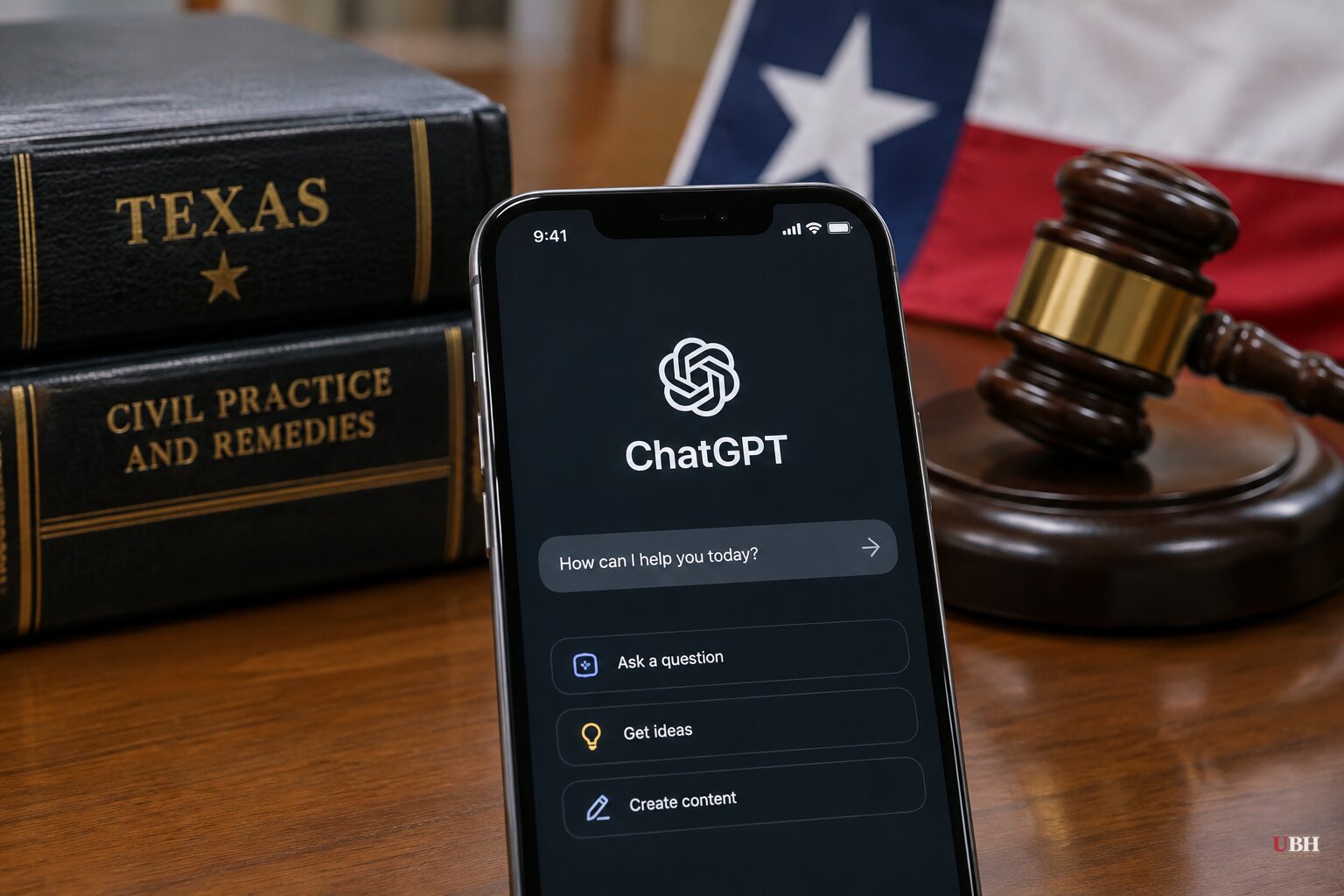
Nine days after eight states sued OpenAI on Oct. 14 over ChatGPT and children, Texas has filed its own case. Attorney General Ken Paxton sued OpenAI and CEO Sam Altman today, Oct. 23, in Collin County district court.
The 67-page complaint names OpenAI Global, LLC and affiliated entities along with Altman personally. It alleges they marketed ChatGPT as safe and reliable while failing to warn users about its dangers or put adequate safeguards in place.
What Texas alleges
The state is suing under the Texas Deceptive Trade Practices-Consumer Protection Act. It also invokes the SCOPE Act, a newer Texas law requiring stricter age verification and parental consent for digital services that deal with minors.
Jonathan Stone, chief of Paxton's Consumer Protection Division, wrote in the filing that ChatGPT "is designed to act like a friend to encourage use of the chatbot and then betrays any vulnerable adolescents to whatever frightening need they bring to their 'confidant.'" He called that design "at very best... reckless, and at worst... willful."
Paxton's office says the harms include mass shooters aided in attacks, vulnerable people encouraged toward suicide, users losing critical thinking skills, and minors becoming addicted to a tool that collects their data without parental oversight. These are the state's allegations. None has been tested in court.
The complaint cites at least eight cases of people who committed violent acts after consulting ChatGPT. One is the 2025 Florida State University shooter, who "asked ChatGPT to tell him how many people he'd need to kill to become notorious." That quote comes from a separate lawsuit filed by a victim's widow, which the Texas complaint references.
It also points to a July 2026 Hugging Face security breach as evidence of broader risks with AI models.
The complaint also traces OpenAI's shift from a 2015 nonprofit to a commercial company. It says the company was valued at roughly $17 billion when ChatGPT launched and is now above $1.4 trillion. OpenAI operates Texas facilities tied to its Stargate project, including a site in Abilene.
What Texas wants
The state seeks more than $1 million in monetary relief. The larger ask is a broad injunction.
It would restrict minors' access to ChatGPT and bar OpenAI from releasing new models in Texas without sign-off from a court-appointed independent evaluator. The case has been designated Level 3 for discovery, meaning a court order will shape the process.
"With the rapid advancement of AI technology, OpenAI has the responsibility to protect users and warn them of the many dangers of its platform," Paxton said in a press release. "I will fight to protect Texans from the harms of AI and ensure that powerful technology companies are not above the law."
OpenAI's position
OpenAI had not responded to requests for comment on the Texas suit as of this evening. Its response to the Oct. 14 multistate filings gives a sense of its defense.
Spokesman Eric Porterfield said the company has built "industry-leading, age-specific protections into our product that many other AI products lack." He added: "While no system can be perfect, we'll continue to work with experts to inform our work and build additional safeguards, such as the parental controls, break reminders and age-appropriate model protections that exist today."
OpenAI says ChatGPT is intended for users 13 and older, and that those under 18 need a parent's or guardian's permission. It also says 90 percent of its teen users rely on it only for learning, skill-building or productivity.
A busy docket, and a Senate race
Paxton is running for U.S. Senate. In the past year he has sued or settled with Meta, TikTok, Snapchat and Roblox under state consumer protection law. As with much of his tech litigation, his office is using outside counsel here, including Ashley Keller and Tony Buzbee, who represented Paxton in his 2023 impeachment proceedings.
One week ago, campaign finance filings showed Elon Musk, a major competitor of Altman's, spent nearly $200 million on ads backing Paxton's Senate bid. No source in the reporting links the lawsuit to that spending, and Paxton's office has not addressed the connection.
Musk's own AI product, Grok, has drawn criticism for allowing users to generate deepfake pornography from photos, including of children. California's attorney general has opened an investigation. Texas has taken no action against Musk's company.
The complaint also cites coverage of this year's Musk v. Altman trial, which ended with a California jury unanimously finding OpenAI not liable.
The wider state push
The Oct. 14 suits came from bipartisan attorneys general in eight states. Iowa Attorney General Brenna Bird said then: "We will not just accept that any big tech company can make money by hurting Iowa's kids and use them as lab rats in a race to be the first, or the biggest, or have the most users."
Kansas Attorney General Kris Kobach said the states moved ahead rather than wait for Congress to set federal guidelines.
The teen usage numbers explain the urgency. A Pew Research Center report from December 2025 found 64 percent of teens aged 13 to 17 use chatbots and about 30 percent use them daily. ChatGPT was the most popular, favored by 59 percent.
No hearing date has been announced in the Collin County case. The central open question is whether a Texas state court would impose a court-appointed evaluator with approval power over new AI models. That remedy would go well beyond the damages and disclosure requirements typical of consumer protection cases.
Sources used for this briefing
7 links from 7 independent newsrooms (syndicated copies of the same report count once)
These are the sources it draws on, linked so you can verify.


