
Unbiased headlines. Facts, not spin.
Every story is an unbiased news briefing written from 110+ sources across the spectrum — sources linked so you can verify it yourself.
 economy
Notable (5/10)
June 19, 2026 at 06:47 AM
economy
Notable (5/10)
June 19, 2026 at 06:47 AM
Senate NDAA Provision Would Codify Pentagon Equity Investments, With Few Guardrails and No Conflict-of-Interest Rule
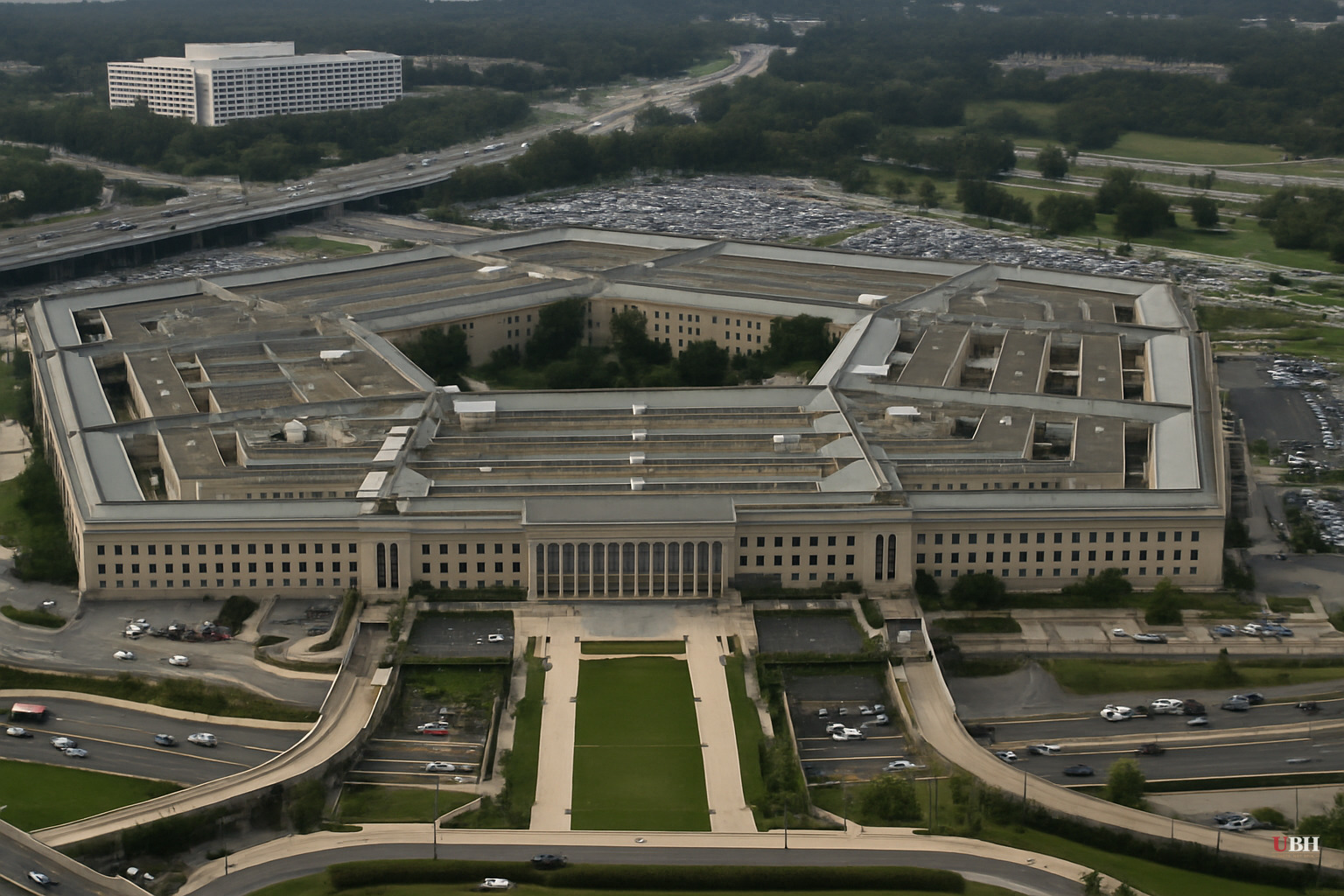
Since the Senate Armed Services Committee released its draft 2027 National Defense Authorization Act earlier this week, the debate over its proposed Defense Equity Investment Account has sharpened around one specific question: who, exactly, can benefit from it. The cap is $500 million. The government cannot take more than a 50 percent stake in any single company. Beyond those two limits, the bill as drafted contains no other stated guardrails.
The conflict-of-interest vote
During a closed-door markup session last week, the Senate Armed Services Committee voted down an amendment that would have prohibited the Trump administration from using the new account to invest in businesses connected to the president, his family members, or members of his cabinet, according to Reason. Sen. Elissa Slotkin (D-Mich.) told NOTUS that Republican colleagues killed the amendment not on policy grounds but out of concern about upsetting Trump directly. "Over and over we heard in the NDAA markup a number of my Republican colleagues express concern that they didn't want to insult the president, they didn't want to send a negative message to the president, they didn't want to offend the president, or they were scared of his reaction," Slotkin said. Republicans on the committee have not publicly confirmed that characterization of their reasoning.
An existing deal that illustrates the concern
The concern isn't purely hypothetical. Vulcan Elements, a company that produces rare earth magnets, received a $620 million loan from the Pentagon's Office of Strategic Capital, according to Reason. Donald Trump Jr. is listed as a partner in the company. No investigation has been announced into that transaction. No charges have been filed. The administration has not publicly addressed whether any review was conducted for conflicts of interest before the loan was approved. That's the gap critics are pointing at.
The strongest case for the program
Defenders of Pentagon equity investment make a real argument worth taking seriously. The United States is genuinely exposed on critical minerals. China dominates rare earth processing, and domestic production capacity is thin. Traditional procurement contracts don't work well for early-stage industrial buildout, the argument goes, because the companies that need capital most can't guarantee delivery on a fixed-price contract. Equity stakes align government and industry incentives and give taxpayers upside if the investments succeed. That case has bipartisan support in principle. The question is whether this specific mechanism, administered with this specific level of transparency, by an administration that has already made at least one investment touching a family member, is the right vehicle for it.
The policy problem underneath the politics
Reason argues that Congress already has non-equity tools available: streamlining permitting for domestic mining, cutting regulatory barriers to refining, or using traditional procurement to guarantee purchase volumes. Those tools don't require the government to become a shareholder in private businesses, which creates ongoing entanglement between federal officials and company management. Government equity stakes create a relationship that doesn't end at contract close. The Pentagon would hold financial interests in companies whose regulatory fate, export licenses, and federal contracts it also influences. That's a structural conflict regardless of which party is in power, and codifying it into statute means future administrations inherit the same authority.
What happens next
The full Senate still needs to vote on the NDAA. The House has its own version of the defense bill, and the two chambers will need to reconcile differences in conference. Whether the conflict-of-interest amendment surfaces again in that process, or whether any Republican senator forces the issue on the floor, is the concrete open question. So far, no Senate Republican has publicly broken with leadership to demand conflict-of-interest language be added back in.
Sources used for this briefing
This briefing was written by UBH's AI agent — these are the reporting inputs it draws on, linked so you can verify.


