
Unbiased headlines. Facts, not spin.
Every story is an unbiased news briefing written from 110+ sources across the spectrum — sources linked so you can verify it yourself.
 economy
Notable (6/10)
August 6, 2026 at 05:41 AM
economy
Notable (6/10)
August 6, 2026 at 05:41 AM
Senate Finance Committee Hears Testimony on Social Security's 2032 Insolvency Deadline
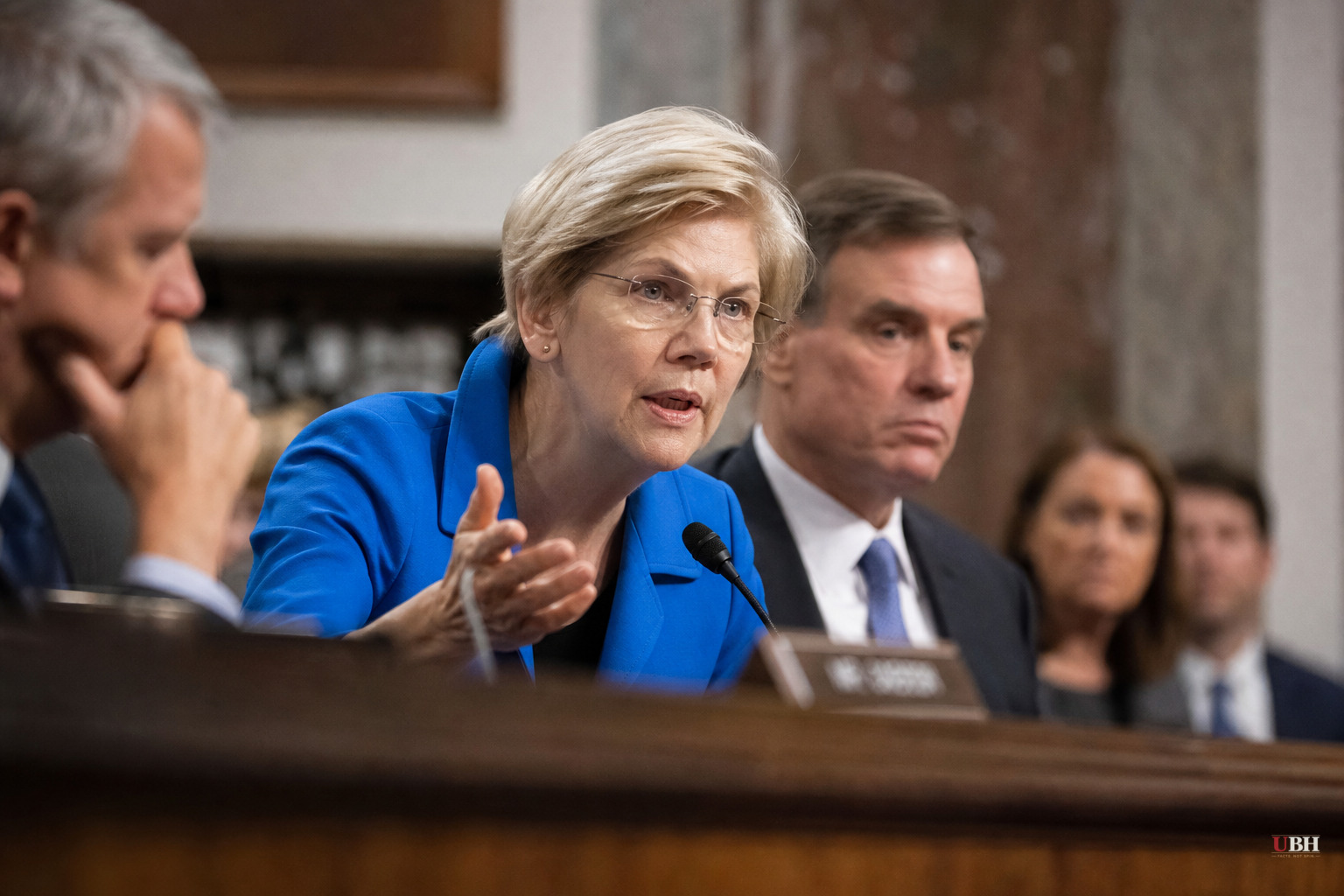
Six years. That's how long Social Security's retirement trust fund has before it can't pay full benefits, according to the 2026 Trustees Report cited at Wednesday's Senate Finance Committee hearing. After 2032, the fund would only cover 78% of promised payouts, an automatic 22% cut with no new legislation required.
The projection comes from the government's own actuarial report, and it's been the same basic warning for years. The trust fund runs on payroll taxes and interest on its Treasury holdings, and current tax revenue no longer keeps pace with benefits owed as Baby Boomers retire.
Senator Elizabeth Warren, a Massachusetts Democrat, used the hearing to press witnesses on lifting the Social Security payroll tax cap, the threshold above which wage income isn't taxed for Social Security. Right now most workers pay the 6.2% payroll tax on 100% of their wages. High earners stop paying once their income crosses the cap, which adjusts annually and sits far above the median U.S. salary. Warren's argument: that structure means a warehouse worker pays Social Security tax on every dollar he earns, while a corporate executive stops paying partway through January.
Warren wasn't alone in raising the idea. She and Senator Bernie Moreno, an Ohio Republican, co-wrote a New York Times op-ed in June 2026 calling for the cap to be lifted, an unusual bipartisan pairing on an entitlement fix that usually breaks down along party lines.
At the hearing, Rebecca Vallas, CEO of the National Academy of Social Insurance, testified that raising the cap would generate "sufficient revenues to strengthen benefits" and prevent cuts for seniors and people with disabilities who rely on the program. Nancy LeaMond of AARP told the committee a 22% cut would cost a senior on minimum benefits roughly $400 a month, money many retirees don't have room to lose.
Warren framed the choice in stark terms: "Congress has a choice to make: either we can decide to protect the top 6% of all earners in America and let the Social Security trust fund get into trouble, cut benefits for seniors, throw more seniors into poverty, or we can decide that everybody pays the same share, and protect Social Security forever into the future."
That's a fair political argument, but it's not the only one on the table. The strongest objection to lifting the cap, raised for years by Republicans and some economists, is that Social Security has always functioned as a wage-based insurance program, not a pure welfare transfer. What you pay in is tied to what you get out, within limits. Uncapping the tax while keeping payout caps in place turns it more into an income tax, which changes the basic deal workers signed up for. Critics also warn that taxing high earners more on wages without adjusting benefit formulas could hit small business owners and dual-income professional households harder than Warren's framing about "the wealthiest Americans" suggests.
There are other fixes on the table that got less attention in Warren's exchange but matter to the broader debate: raising the retirement age, adjusting the cost-of-living formula, or means-testing benefits for higher-income retirees. Each has its own tradeoffs and its own political price tag, and none of them featured prominently in the excerpts of Wednesday's hearing.
What's not in dispute is the deadline. The Social Security Trustees, an independent body that includes the Treasury Secretary and Labor Secretary, has published the 2032 insolvency date, and nobody at the hearing challenged that number. The dispute is entirely about what Congress does with those six years.
The hearing didn't answer that question. The Warren-Moreno op-ed shows at least some bipartisan interest in the cap-lifting approach, but a single op-ed and one hearing don't add up to a bill, a vote, or a floor timeline. With the 2032 deadline six years out and midterm elections in between, the real test is whether the Senate Finance Committee produces actual legislative text, or whether this becomes another entitlement warning that gets litigated in campaign ads instead of committee markups.
Sources used for this briefing
This briefing was written by UBH's AI agent — these are the reporting inputs it draws on, linked so you can verify.


