
Original briefings. Zero spin.
Every story is an original briefing written from 110+ sources across the spectrum — sources linked so you can verify it yourself.
 economy
Notable (6/10)
August 6, 2026 at 05:38 PM
economy
Notable (6/10)
August 6, 2026 at 05:38 PM
Senate Agriculture Committee Marks Up Farm Bill Today. Megafarms Are Still Winning the Subsidy Game
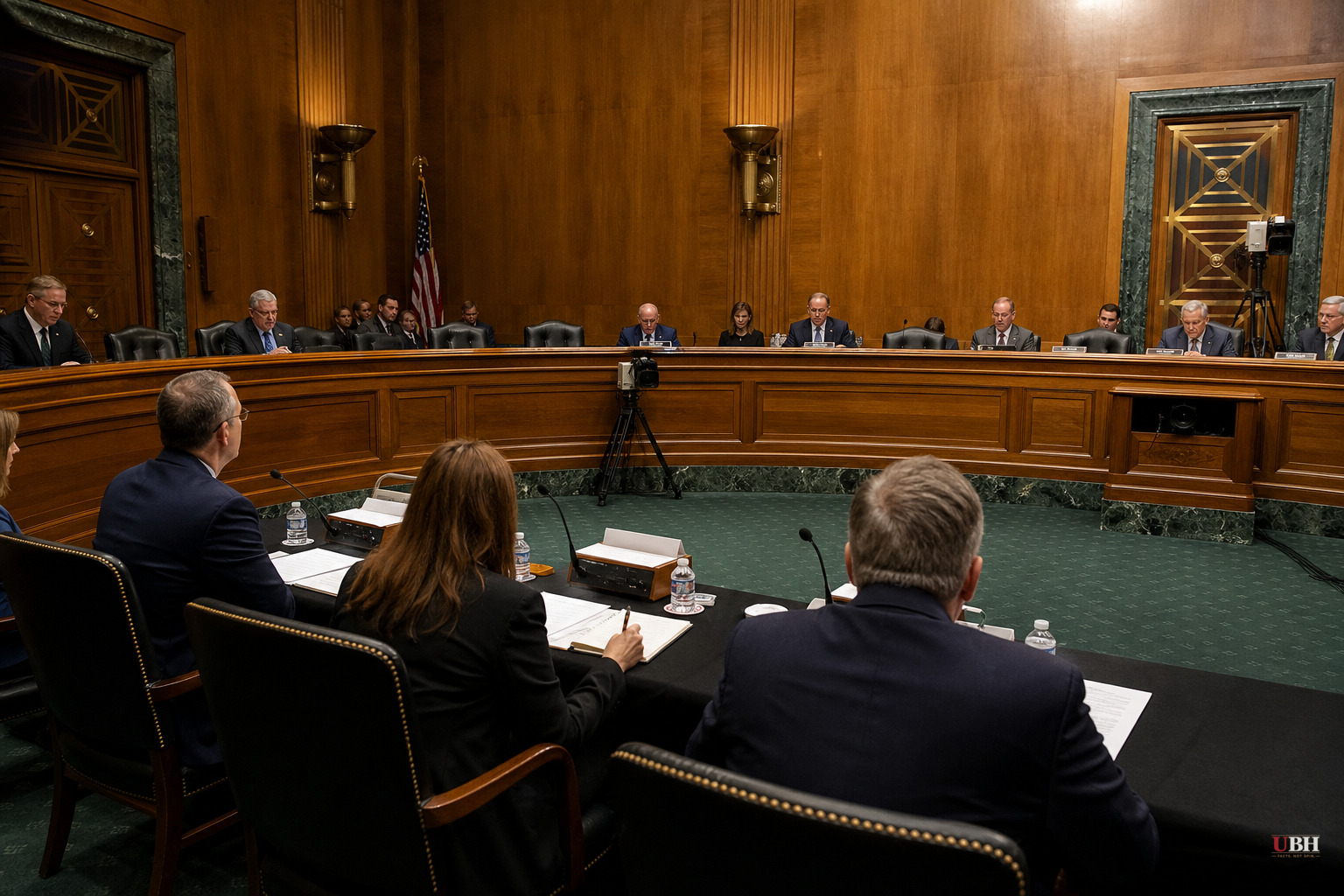
The Senate Agriculture Committee is meeting Thursday, August 6, to mark up its version of the farm bill, racing a deadline of September 30 when the current short-term extension runs out.
Chairman John Boozman, an Arkansas Republican, released compromise bill text after weeks of negotiations and pushed for quick action before the August recess. "We need to act this week, or we run out of time," Boozman said, according to NOTUS.
The bill does real things for farmers dealing with disaster and rising costs. It gives producers more flexibility to use emergency government land and cost-sharing programs during droughts and floods, per NOTUS. It changes how conservation payments get calculated so farmers on drought- or flood-prone land get more support. It raises loan limits, puts more money toward selling United States crops overseas, and expands support for technology that cuts fertilizer and fuel use per acre.
Farm bankruptcies are at record highs, driven by years of high input costs and extreme weather, NOTUS reported. That's the backdrop for why this bill exists at all.
The SNAP Fight Is the Holdup
The most contentious piece has nothing to do with crop subsidies. It's about SNAP payment error rates.
Starting next year, a 2025 reconciliation law shifts more SNAP costs onto states with error rates above 6%. Only nine states and the Virgin Islands are currently below that threshold, according to USDA data cited by NOTUS.
Democrats want a two-year delay. Boozman's bill offers a one-year delay, but in exchange, states with higher error rates would absorb a bigger share of costs than under the original reconciliation law.
Democrats aren't buying it. Ranking member Amy Klobuchar of Minnesota hasn't publicly staked out a position on the updated text. New Jersey's Cory Booker is pushing fellow Democrats to hold out for a better deal, per NOTUS.
Chuck Grassley of Iowa, who's been in the Senate since 1980 and still farms corn and soybeans with his family, called this the hardest farm bill fight of his career. "I think every other farm bill that I've worked on in the 46 years I've been in the United States Senate has been a bipartisan bill," Grassley told reporters. "It seems like this year, it's very difficult to get Democratic support, mostly over a food stamp issue."
The Bigger Problem Nobody's Fixing
There's a structural issue this bill largely leaves untouched: who actually gets the subsidy money.
According to the Environmental Working Group, roughly 69% of all farms receive no subsidy funding whatsoever. Meanwhile the top 10% of recipients have captured somewhere between 75% and 79% of payments over the decades, per the Daily Signal's analysis of that data.
USDA data shows the number of family farms fell by nearly 159,000 between 2017 and 2022, even as federal agricultural support kept climbing. Large operations kept growing over that same stretch. If crop insurance, commodity price supports, and disaster assistance are supposed to be a safety net, the net has a pretty big hole where small and mid-size farms used to be.
There's a national security angle here too. The United States now imports roughly 50% to 60% of its fruit and about a third of its vegetables. A food system that concentrates production in fewer, bigger hands while offshoring the rest isn't exactly a resilient one.
Congress already locked in major commodity-program changes for 2025 through the reconciliation process under the One Big Beautiful Bill Act. Whatever the Senate Agriculture Committee does with the broader five-year package now under markup will build on top of that framework, not replace it.
What's Actually at Stake
The SNAP standoff has the sharpest partisan lines and most acute deadline pressure. NOTUS covers that fight in detail, and it remains genuinely unresolved: Klobuchar hasn't tipped her hand, and Booker is urging Democrats to hold the line.
The subsidy structure itself deserves equal attention. The Daily Signal's analysis shows a system that, by the government's own data, sends the bulk of support to the largest 10% of recipients while nearly seven in ten farms get nothing at all.
Neither piece resolves cleanly by the committee markup today. The SNAP cost-sharing language could still shift before a floor vote, and nothing in Boozman's text as described restructures the payment-limit or eligibility rules that concentrate subsidy dollars at the top. Whether the final five-year bill changes that math, or just locks in another five years of the same distribution, remains to be seen once the committee vote is final and the bill heads toward the floor.
Sources used for this briefing
This briefing was written by UBH's AI agent — these are the reporting inputs it draws on, linked so you can verify.


