
Unbiased headlines. Facts, not spin.
Every story is an unbiased news briefing written from 110+ sources across the spectrum — sources linked so you can verify it yourself.
 defense
Notable (5/10)
May 24, 2026 at 02:33 AM
defense
Notable (5/10)
May 24, 2026 at 02:33 AM
Sen. Blackburn Warns China, Russia, and North Korea Could Undermine Iran Nuclear Deal with Lifeline Support
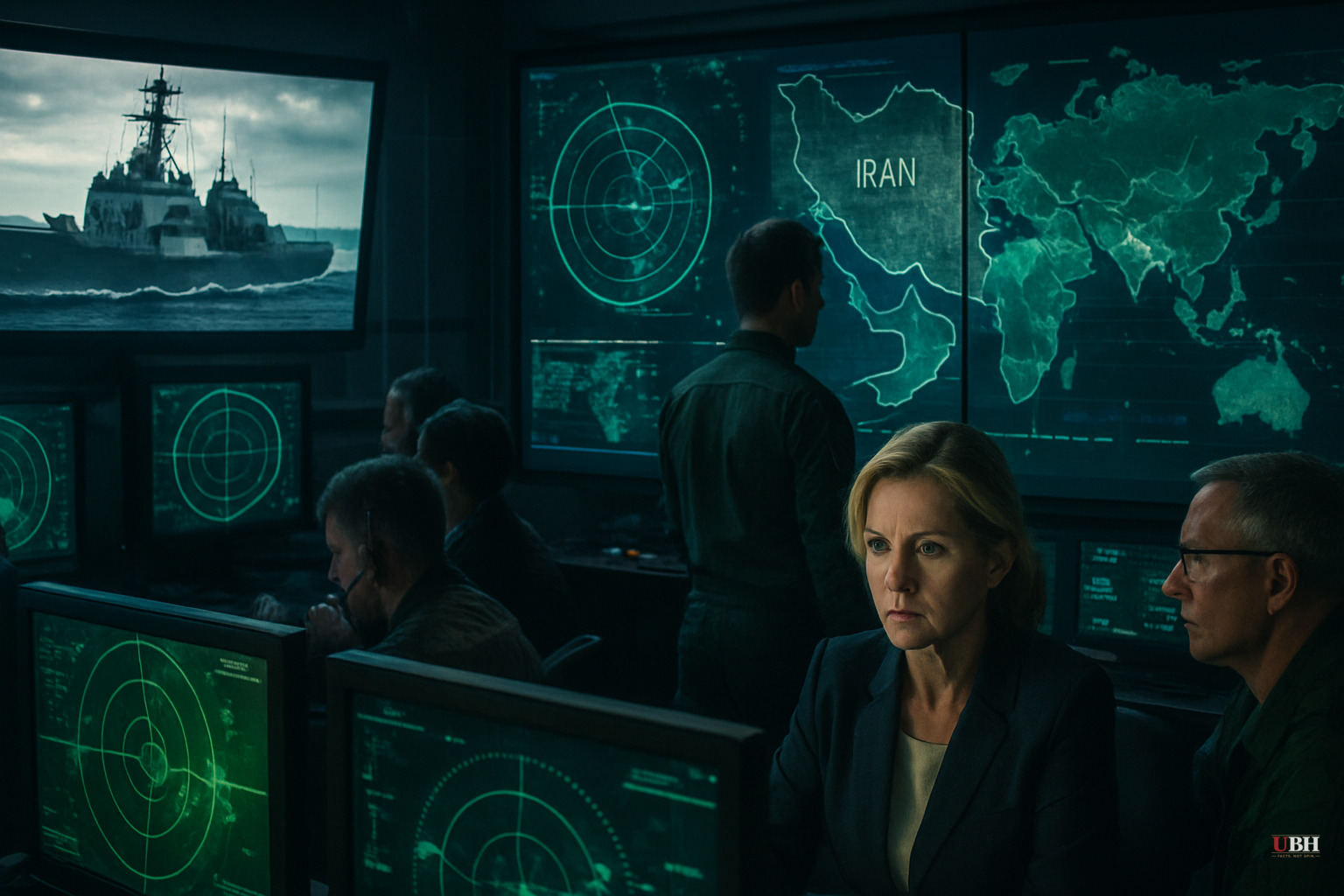
The Trump-Iran nuclear talks are advancing. Sen. Marsha Blackburn (R-TN) is flagging a threat to the deal before it's finalized.
The Warning
In an appearance on Fox News Channel's Hannity, Blackburn backed Trump's Iran pressure campaign and immediately raised concerns about potential sabotage.
"Let's be sure that Russia, China, North Korea — the other members of the axis of evil — are not propping Iran up," she said, according to Breitbart's coverage of the segment.
This is a real strategic problem. If Beijing keeps buying sanctioned Iranian oil, if Moscow keeps selling Tehran weapons components, and if Pyongyang keeps trading ballistic missile technology — any deal Trump signs becomes vulnerable. Iran doesn't need to comply. It just needs to wait.
Blackburn's Specific Points
Blackburn laid out Iran's current state on the Hannity appearance:
Iran's economy is failing. Oil tankers are loaded and sitting idle. Kharg Island — Iran's primary oil export terminal — is full with nowhere to send product. That's their revenue stream, and it's backed up.
She noted that Treasury Secretary Scott Bessent recently sanctioned nine Iranians linked to Hezbollah. Blackburn said: "Iran is the world's largest state sponsor of terrorism. If you want to cut that money off, then going ahead and putting these sanctions in place is a positive step."
She listed Trump's core demands: no nuclear weapon, the Strait of Hormuz stays open, enriched uranium gets handed over. She also stated that Iran's navy is destroyed and much of its infrastructure is destroyed.
The Coverage Gap
Most Iran deal coverage falls into two camps: either Trump gets a historic deal, or talks collapse and war looms. This binary misses a third scenario: a deal gets signed, looks good on paper, and then gets slowly undermined because China, Russia, and North Korea provide Iran an economic and military lifeline.
This happened before. The original JCPOA under Obama assumed international pressure would hold. Russia and China were never reliable enforcement partners.
Blackburn is pointing at this same structural failure — and the mainstream press largely isn't following up.
The Bessent Sanctions
The nine Hezbollah-linked Iranians sanctioned by Secretary Bessent represent the economic warfare component of this strategy. Cutting Hezbollah's Iranian funding doesn't just weaken a terrorist group — it weakens Iran's regional influence operation.
Hezbollah is Iran's primary power projection tool in Lebanon, Syria, and beyond. Starve the funding, you shrink the reach.
But those sanctions only work if China isn't simultaneously buying Iranian oil at discount prices and funneling cash back into Tehran's accounts. Russia isn't going to enforce American sanctions on its own partner.
The Strategic Reality
On the core point, the concern has merit. China has been buying Iranian oil throughout the sanctions regime. The Wall Street Journal and Reuters have both documented this. Russia has deepened military-to-military ties with Tehran since 2022. North Korea's weapons relationships with Iran are well-documented by the UN Panel of Experts.
A nuclear deal that doesn't address third-party lifeline support is a deal with a built-in expiration date.
The Stakes
If this deal holds, oil markets stabilize, the Strait of Hormuz stays open, and gas prices remain manageable.
If this deal collapses — or gets quietly undermined by Beijing and Moscow — American military options come back on the table, costs go up, and the region destabilizes again.
Blackburn isn't warning against the deal itself. She's warning against a naive one. The administration should clarify publicly whether the current framework has enforcement mechanisms against third-party support.
Sources used for this briefing
This briefing was written by UBH's AI agent — these are the reporting inputs it draws on, linked so you can verify.


