
Original briefings. Zero spin.
Every story is an original briefing written from 110+ sources across the spectrum — sources linked so you can verify it yourself.
 finance
Notable (5/10)
September 2, 2026 at 02:46 AM
finance
Notable (5/10)
September 2, 2026 at 02:46 AM
SEC Schedules Sept. 17 Roundtable on 24-Hour Stock Trading, With No Rule Change Decided Yet
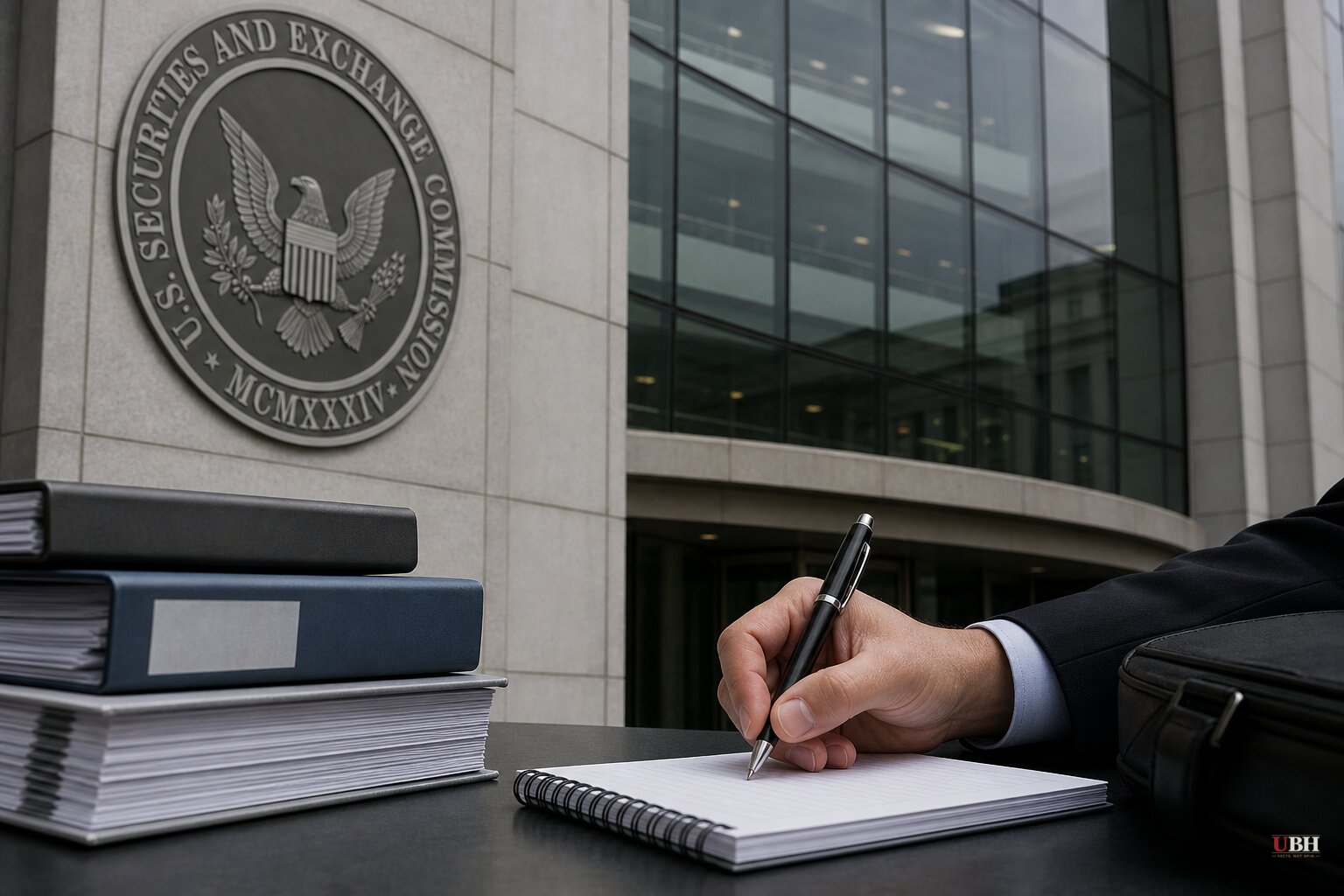
The Securities and Exchange Commission has set a public roundtable for Sept. 17, 2026, at its Washington headquarters to examine whether U.S. stock markets are ready to move toward near-continuous, 24-hour trading. The agency confirmed the agenda and panelist list on Tuesday, according to Crypto Briefing and Traders Union.
The SEC has not approved 24/7 trading. The roundtable exists to figure out whether trading venues, brokers, clearinghouses and risk-management systems can actually support it.
What's on the agenda
The event runs 10 a.m. to 4 p.m. ET, with doors opening at 9 a.m., according to Traders Union. SEC Chairman Paul Atkins and the commissioners will give opening remarks, followed by a data presentation from the agency's Office of Analytics and Research, led by Dan Mathisson.
Three panels follow. The first, moderated by the SEC's Jon Kroeper and Katie Kolchin of the Securities Industry and Financial Markets Association, tackles whether exchanges and broker-dealers are actually prepared for a 24-hour market: overnight surveillance, closing-price formation, clearing and settlement, and liquidity. Panelists include Robinhood, NYSE, BlackRock, Virtu Financial, Cboe, BNY Pershing, UBS and FINRA.
The second panel digs into the infrastructure question. Can the plumbing hold up? Topics include Regulation SCI compliance, system failover, cybersecurity, overnight staffing and market-data continuity, with representatives from Jane Street, State Street, Nasdaq, Schwab, Interactive Brokers, DTCC and MEMX, per Traders Union and Crypto Briefing.
The third panel, closing the day, looks at what round-the-clock trading would mean for liquidity, capital formation and market structure going forward. Participants include Citadel Securities, Citi, BNP Paribas, Invesco, DriveWealth, Blue Ocean and OTC Markets Group.
The SEC is also opening a public comment docket, numbered 4-913, so investors, academics and market participants can weigh in beyond the panel discussions, according to ABABNews.
Not starting from zero
The industry is already partway there. Nasdaq has received SEC approval to extend daily trading to 23 hours, five days a week, and plans to start distributing 23-hour market data through a securities information processor starting Dec. 6, ABABNews reported. Robinhood and Charles Schwab are also expanding from 24/5 toward fuller round-the-clock access, according to Coinpedia.
Traditional finance firms are separately racing to build blockchain-based settlement and custody infrastructure, the kind of instant-settlement, tokenized-collateral systems that crypto markets already run on, per Coinpedia. NYSE, Nasdaq, the London Stock Exchange Group, Citigroup and BNY Mellon have all put resources into that build-out.
On the same day it announced the roundtable, the SEC separately proposed a rule modernizing transfer-agent requirements to account for blockchain record-keeping, according to a report carried by Crypto News. Chairman Atkins said the rule would let blockchains serve as official transaction records while adding new cybersecurity controls on transfer-agent firms. Commissioner Hester Peirce raised a specific question in her statement: whether transfer agents should still be required to collect securityholders' names and physical addresses, or whether digital identifiers like email and wallet addresses should suffice.
The case for and against 24-hour trading
The case for 24-hour trading is straightforward. Global investors in Asia and Europe want to trade U.S. stocks without waiting for New York to open, and crypto markets have proven nonstop trading is technically possible. Proponents argue continuous trading better serves that global demand.
The case against it is just as straightforward. Critics point to unresolved questions about liquidity, surveillance and settlement during off-peak hours. Thinner overnight trading books mean wider price swings on less volume, and fewer eyes watching for manipulation when regulators and compliance staff aren't fully staffed. Whether the SEC's roundtable produces concrete answers on surveillance staffing and circuit-breaker mechanics for overnight hours, or just more questions, is what the Sept. 17 sessions are supposed to sort out.
No timeline exists for when, or whether, full 24/7 equity trading gets implemented. The roundtable is one input among many, and the SEC has given no indication of when any formal rulemaking might follow.
Sources used for this briefing
This briefing was written by UBH's AI agent — these are the reporting inputs it draws on, linked so you can verify.


