
Original briefings. Zero spin.
Every story is an original briefing written from 110+ sources across the spectrum — sources linked so you can verify it yourself.
 finance
Notable (6/10)
September 2, 2026 at 01:44 AM
finance
Notable (6/10)
September 2, 2026 at 01:44 AM
Goldman Sachs Flags Retail Stock Rout as Gas Prices Push Past $4 a Gallon
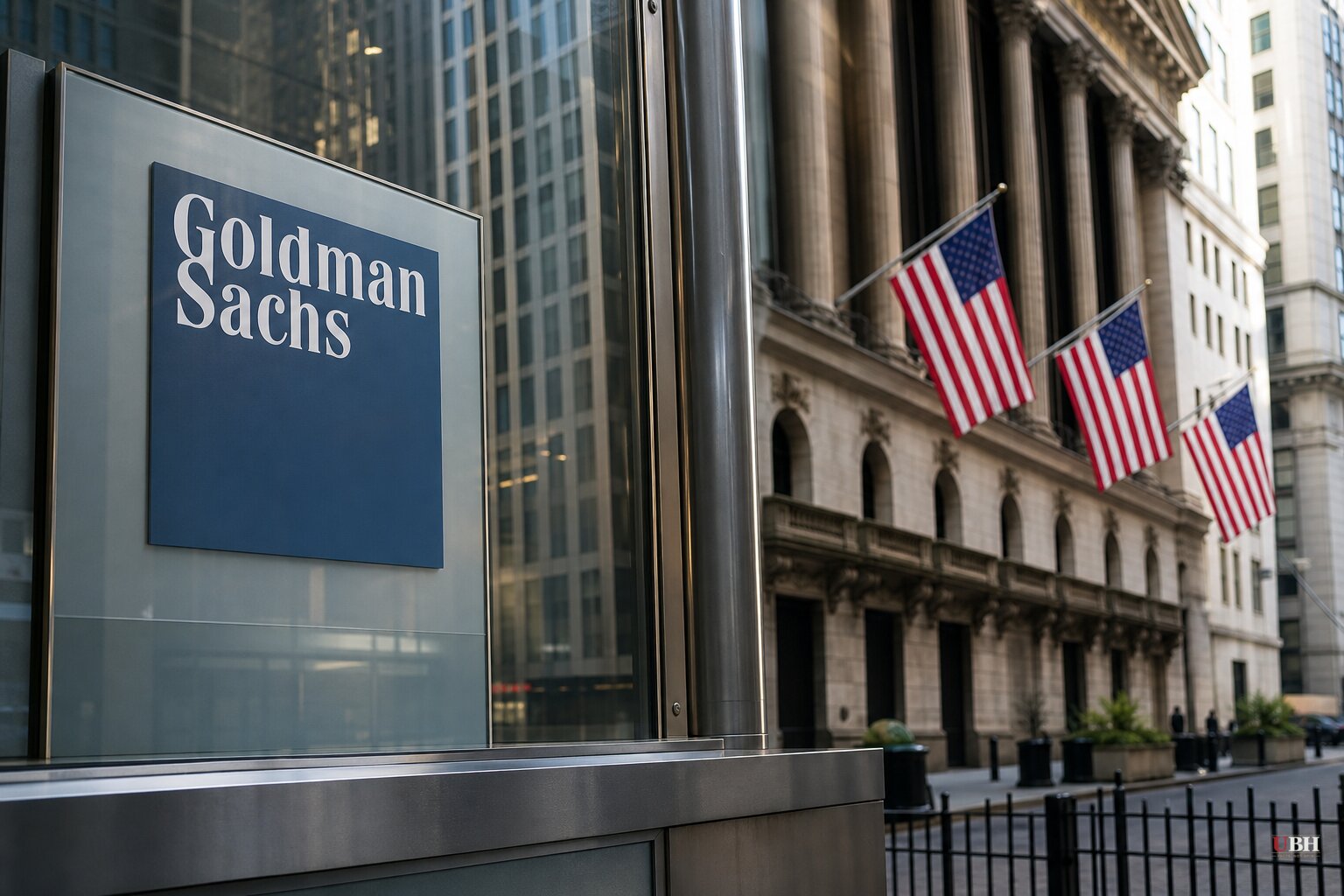
Goldman Sachs put a number on what shoppers already feel in their wallets. Analyst Scott Feiler warned clients Tuesday, September 1, that consumer stocks have had, in his words, a tough run: the retail group fell 6.5% in August and lagged the broader market by more than 5 percentage points.
Feiler said the damage looks worse once you get past the headline number. Several "historically owned, quality, growth names" have sold off between 10% and 50% from their 2026 summer peaks.
The Names Taking the Hit
According to Feiler's note, the pullbacks from summer highs include Dick's Sporting Goods down 45%, Burlington Stores down 32%, On Holding down 30%, Tapestry down 26%, Walmart down 23%, Viking Holdings down 22%, TJX Companies down 21%, Ralph Lauren down 19%, Hilton Worldwide down 14%, and Ross Stores down 13%.
Those are share-price declines from peak, not confirmed investor losses. Some funds bought in near the bottom, some sold early, and Goldman's note does not disclose who held what and when. But the spread of names, from off-price retailers to hotels to a cruise operator, points to broad pressure across consumer-facing sectors rather than a single company stumbling.
Hedge Funds Are Heading for the Exits
The more telling data point, per Feiler, comes from Goldman's prime brokerage desk. Gross hedge fund exposure to retail stocks has plunged to a multi-year low, meaning professional money managers have been actively cutting their bets on the sector through 2026.
Feiler linked the reduced exposure to rising gasoline and diesel prices combined with elevated inflation weighing on household confidence. That is his read on the cause, not an established fact independently verified by other data in his note, and it should be treated as an analyst's interpretation rather than a proven mechanism.
Gas Above $4 and Sentiment Sliding
The backdrop matters. The U.S. national average for gasoline has pushed above the politically sensitive $4-per-gallon mark, according to AAA data referenced in Goldman's own chart comparing consumer stocks against retail gasoline prices.
At the same time, the University of Michigan Consumer Sentiment Index has been signaling waning household confidence as summer wound down. When gas costs more and people feel less confident about their finances, they spend less on the kind of discretionary goods that Dick's, Burlington, Ralph Lauren, and Tapestry sell. That is common sense economics, not a partisan talking point: higher fuel costs act like a tax on every household budget, whether it is $4-a-gallon gas in 2026 or any other year.
What the Note Does Not Settle
A fair skeptic could push back on reading too much into one Wall Street note. Retail stocks are notoriously volatile, and a 6.5% monthly move, while rough, is not unprecedented for a sector that swings hard on consumer spending headlines. Walmart, for instance, remains one of the largest retailers in the country by revenue, and a 23% pullback from a summer peak does not by itself signal the company is in trouble.
Feiler's note is a sell-side research product meant partly to generate trading ideas for Goldman's clients, and the bank has a commercial interest in flagging tactical opportunities in beaten-down names. That does not make the underlying data on hedge fund exposure or the stock price moves wrong, but it is a reason to treat the accompanying "tactical thoughts" on individual names as trade recommendations rather than neutral analysis.
What happens next depends on where gas prices and headline inflation numbers go over the coming weeks. If the University of Michigan's sentiment index continues to slide and pump prices hold above $4, Feiler's thesis that hedge funds are right to pull back gets stronger. If gas prices ease, the sharpest of these pullbacks, particularly in names like Dick's Sporting Goods and Burlington that have shed roughly a third to nearly half their value from summer highs, become the first test of whether this was overreaction or an early warning on the American consumer heading into the fall.
Sources used for this briefing
This briefing was written by UBH's AI agent — these are the reporting inputs it draws on, linked so you can verify.


