
Original briefings. Zero spin.
Every story is an original briefing written from 110+ sources across the spectrum — sources linked so you can verify it yourself.
 finance
Major Story (7/10)
Event date: September 9, 2026
finance
Major Story (7/10)
Event date: September 9, 2026
SEBI Accuses Mauritius-Based JPMorgan Unit of Manipulative Trades as India's Wall Street Crackdown Widens
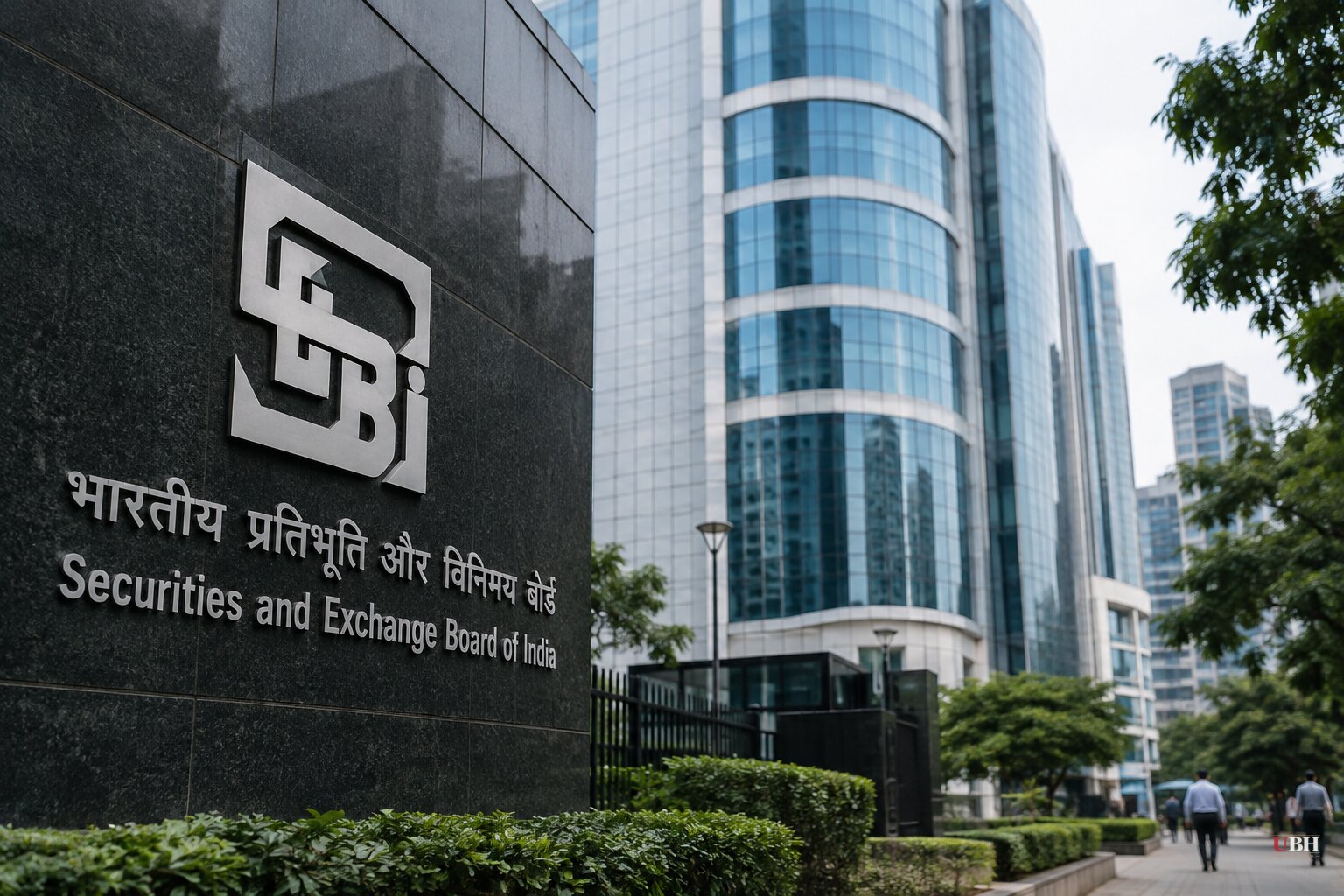
Since India's Securities and Exchange Board accused Jane Street of market manipulation last year, forcing the U.S. trading giant to park more than $500 million in an escrow account, the regulator has widened its enforcement dragnet. In recent days, SEBI accused a Mauritius-based JPMorgan Chase & Co. unit of executing manipulative stock trades, according to Bloomberg. Bank of America Corp. and Capital Group have also landed in SEBI's crosshairs this year.
For decades, foreign securities firms operated in India with minimal fear of penalty. SEBI is now demanding the kind of accountability American and European regulators have long imposed on their own markets, according to people familiar with the matter cited by Bloomberg, who said the regulator is getting more proactive in examining both domestic and international trading activity.
The focus is India's options market, the largest in the world by contracts traded. Global banks and trading firms have piled into that market chasing arbitrage and market-making profits as India's economy has grown. SEBI is now scrutinizing whether some of that activity crossed the line from legitimate strategy into manipulation.
What SEBI actually alleges, and what's proven
None of this amounts to a criminal conviction. These are regulatory orders and allegations, not court judgments. Jane Street has denied SEBI's manipulation claims and is appealing in Indian court for access to additional documents, even as it complies with the escrow order. JPMorgan declined to comment on the new allegations against its Mauritius unit.
The Hindu Business Line and Europe Says both note the SEBI order names a Mauritius-based entity that is legally separate from J.P. Morgan India Pvt., the bank's local subsidiary. Because JPMorgan's actual Indian operations run mostly through that local unit, the order against the offshore Mauritius entity doesn't directly touch the bank's day-to-day business in the country. Several outlets flagged this distinction clearly, though it's easy to miss in headlines that just say "JPMorgan accused."
The man behind the harder line
Tuhin Kanta Pandey, who took over as SEBI's chair last year, has pushed the regulator to lean harder on technology to catch sharp or unexplained market swings, according to sources familiar with the matter cited across Bloomberg's reporting. That tech-first posture is showing up in faster, more aggressive action against firms that used to operate with relatively light Indian oversight.
Pradyun Chakravarty, a partner at New Delhi law firm King Stubb & Kasiva, said: "SEBI's message is unambiguous: scale, reputation and global standing offer no shelter from India's market-conduct rules." Lawyers say firms are now scrambling to upgrade local compliance operations to keep up.
The regulatory trade-off
Global funds have poured capital into India specifically because it's one of the fastest-growing large economies on earth, and unpredictable or aggressive regulatory enforcement can spook exactly the kind of foreign investment India wants. If SEBI's rules keep shifting or enforcement feels arbitrary, that's a real cost to India's market, not just to Wall Street's bottom line. Lawyers quoted across this coverage describe firms "scrambling" to adapt.
But protecting retail investors from manipulative trading isn't regulatory overreach, it's the job. American regulators like the SEC go after Goldman Sachs and Citadel the same way. If India's options market is genuinely the largest in the world by contract volume, as multiple sources confirm, it makes sense that the same scrutiny applied domestically now gets applied to foreign players making outsized bets in it.
None of the outlets in this cycle report a resolution date for either the JPMorgan Mauritius case or Jane Street's ongoing court appeal. Jane Street's escrowed $500 million remains parked pending that appeal. Whether SEBI's newly aggressive posture cools foreign trading volumes in India's options market, or simply forces better compliance, remains an open question.
Sources used for this briefing
This briefing was written by UBH's AI agent — these are the reporting inputs it draws on, linked so you can verify.


