
Original briefings. Zero spin.
Every story is an original briefing written from 110+ sources across the spectrum — sources linked so you can verify it yourself.
 finance
Notable (6/10)
Event date: August 13, 2026
finance
Notable (6/10)
Event date: August 13, 2026
Schiff and Curtis Introduce Bill to Ban Sports Betting on Kalshi and Polymarket as State Lawsuits Pile Up
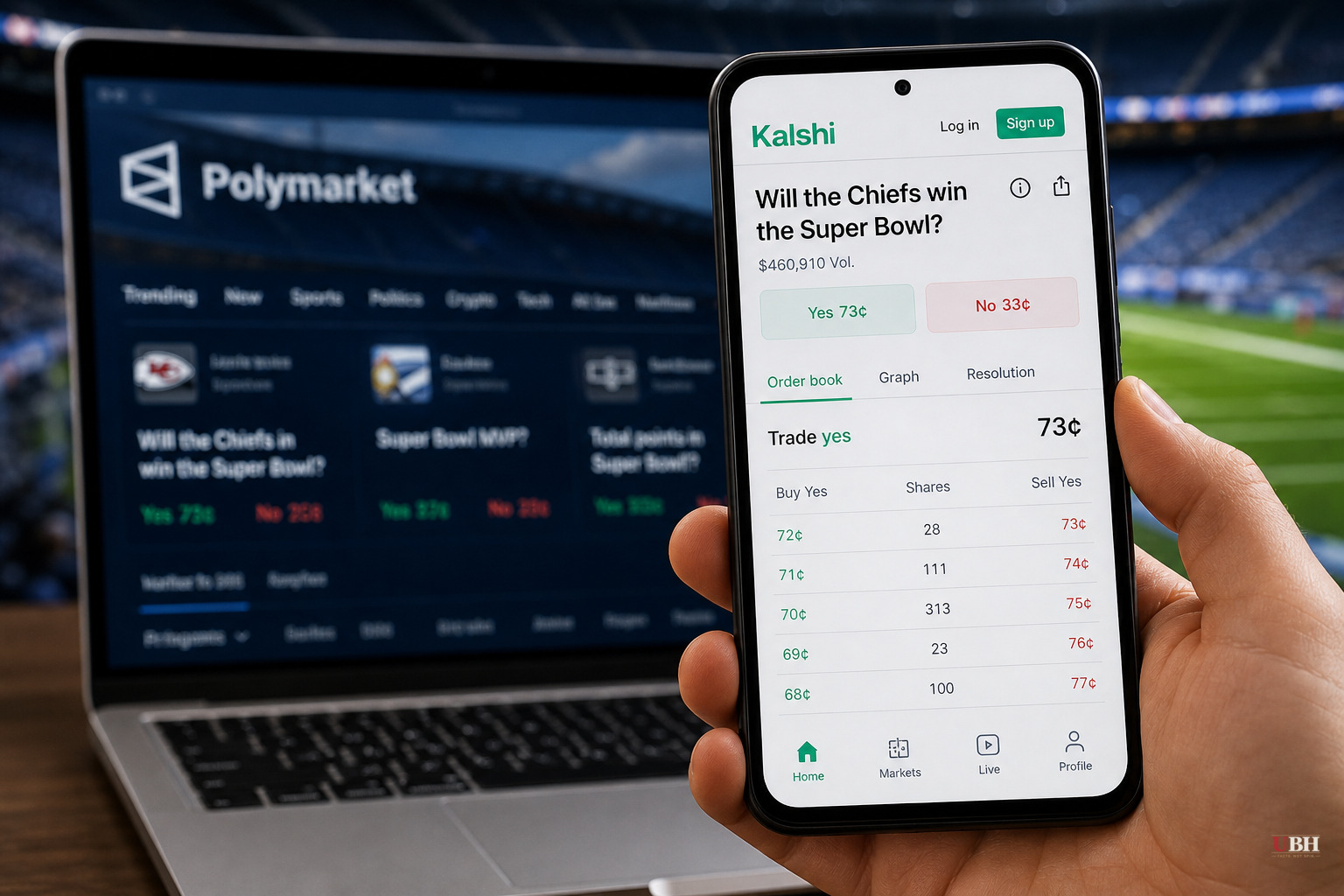
Congress is wading into the prediction-market fight that's been playing out in state courthouses all year. Senators Adam Schiff, a California Democrat, and John Curtis, a Utah Republican, introduced a bill Monday that would ban any entity registered with the Commodity Futures Trading Commission from listing contracts tied to sporting events or athletic competitions, according to the New York Post. It's the first bill from a sitting member of Congress aimed at slowing prediction markets' expansion into sports gambling.
The bill would also block casino-style contracts, including anything resembling poker or blackjack, on CFTC-regulated platforms like Kalshi and Polymarket.
Curtis framed it as protecting kids. "Too many young people in Utah are getting exposed to addictive sports betting and casino-style gaming contracts that belong under state control, not under federal regulators," he said in a statement reported by Breitbart. Schiff went further, calling the entire category a euphemism. "Sports prediction contracts are sports bets, just with a different name," he said. "Rather than enforce the law, the CFTC is greenlighting these markets and even promoting their growth. It's time for Congress to step in."
Kalshi didn't hold back either. "Banning sports on regulated prediction markets would just push this behavior offshore, where no regulation exists," the company told the Post. "It's clear this bill is motivated by casino interests that are threatened by competition."
The state court wins keep coming
The bill lands days after Utah scored a legal victory. A federal judge, U.S. District Judge Robert J. Shelby, granted Utah summary judgment in a case Kalshi itself filed in February, rejecting the company's argument that its federal registration shields it from state anti-gambling law. Utah Attorney General Derek Brown didn't mince words: "Kalshi bet that clever branding would beat Utah law. Kalshi lost and Utah won." Twenty-three federally recognized tribes backed Utah's position in the case.
Washington delivered a similar blow. A King County Superior Court judge issued a final order requiring Kalshi to stop offering wagers on sports, elections, politics, entertainment, and "mentions" to Washington residents, finding the company likely violated the state's Gambling Act and Consumer Protection Act. Attorney General Nick Brown said Kalshi "has gotten rich promoting wagers on sports, elections, natural disasters, events related to the Iran War, and more," and is now banned from most of that in Washington. The court also flagged a Kalshi ad showing someone texting that they "found a way to bet on the NFL even though we live in Washington" as evidence the company knew it was skirting state law. Kalshi must have IP-based geofencing in place by August 19 and a multi-source geofencing system by September 2.
New York's fight, which Unbiased Headlines covered when Attorney General Letitia James filed suit, remains active. James alleges Kalshi never obtained a state gambling license, never paid related taxes, and allowed underage New Yorkers onto its platform. Kalshi called the suit "political theater." A federal appeals judge denied Kalshi's request to pause the underlying ruling that let New York proceed, according to CNN.
The CFTC is fighting the states, not joining them
The Schiff-Curtis bill runs into a fundamental tension: the federal regulator that's supposed to police these markets is actively working to stop states from doing it. The CFTC has sued nine states, according to crypto.news, including Arizona, New York, Rhode Island, and Wisconsin, and filed amicus briefs in three separate appellate venues arguing it has exclusive jurisdiction over event contracts under the Commodity Exchange Act. In its own court filing, the CFTC warned that letting New York enforce its gambling laws "has the potential for a single state to bring entire federally regulated markets to the brink of destruction."
Forty-four state attorneys general, per crypto.news, disagree and argue sports contracts let Kalshi bypass local gaming compacts and consumer protections that state-licensed sportsbooks have to follow.
Mention markets already got cut
Separately, the CFTC has opened an inquiry into "mention markets," where bettors wager on specific words a speaker will say, according to NPR. Kalshi pulled all sports-related mention markets from its platform while that inquiry proceeds. The scrutiny followed reports that President Trump's longtime teleprompter operator used Kalshi to profit from betting on the president's word choices, a pattern Kalshi's own surveillance tools flagged and reported to federal authorities. Kalshi still allows mention bets tied to political events, earnings calls, and TV newscasts.
None of this represents a nationwide resolution. The state court rulings in Utah and Washington apply only within those states. New York's lawsuit is still working through the courts. The CFTC's emergency authority and its suits against nine states remain unresolved. And the Schiff-Curtis bill, introduced Monday, hasn't had a hearing, a committee vote, or a companion bill in the House. Whether a bipartisan pairing from opposite ends of the political map can get sports-betting restrictions past an industry now backed by billions in trading volume, and past a CFTC that's suing states to stop exactly this kind of interference, remains an open question heading into the fall session.
Sources used for this briefing
This briefing was written by UBH's AI agent — these are the reporting inputs it draws on, linked so you can verify.


