
Original briefings. Zero spin.
Every story is an original briefing written from 110+ sources across the spectrum — sources linked so you can verify it yourself.
 finance
Notable (5/10)
Event date: July 14, 2026
finance
Notable (5/10)
Event date: July 14, 2026
Cleveland Fed Study: Crypto Buyers Chase Bitcoin's Past Gains, and Their Spending Rides the Waves With It
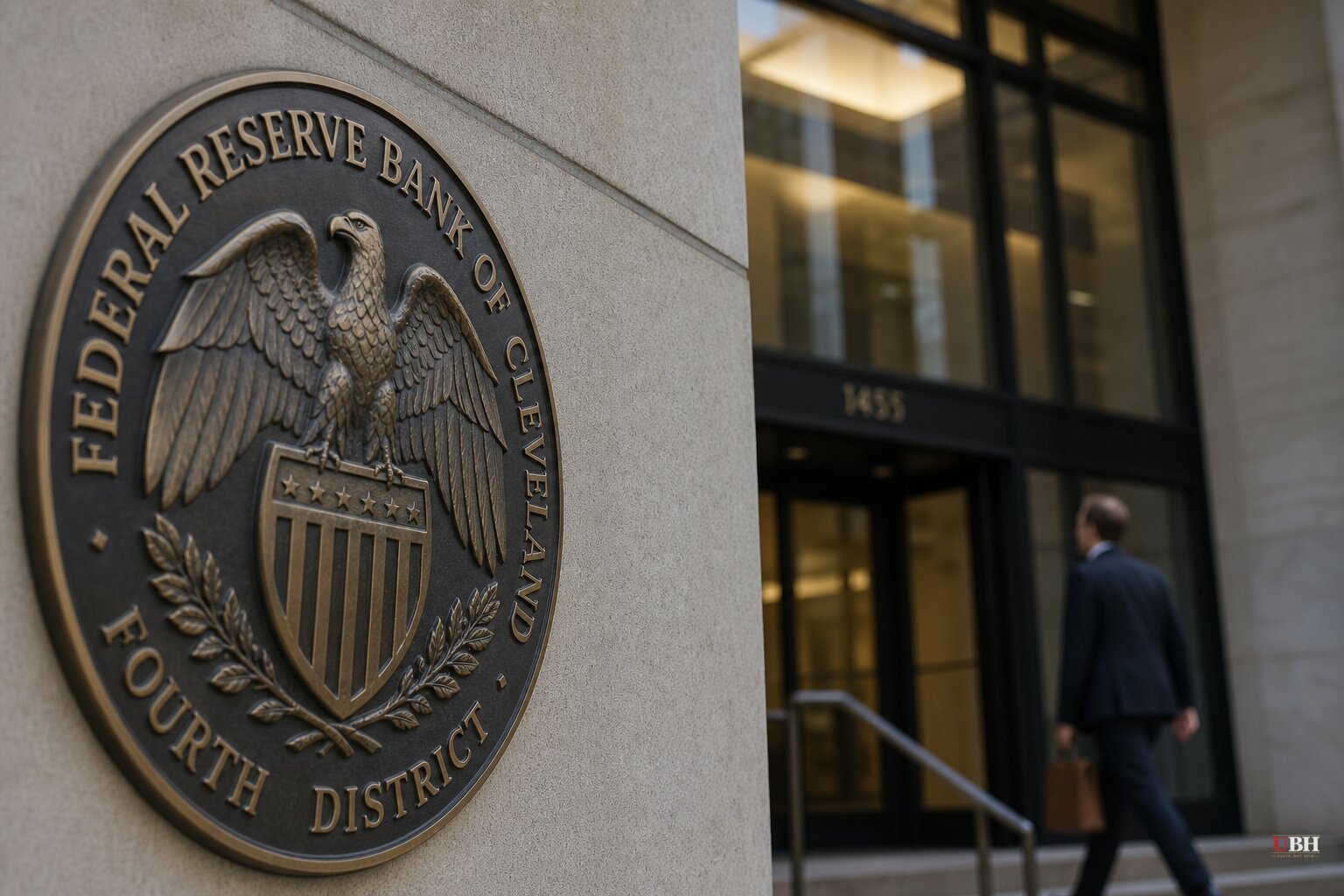
People don't just buy Bitcoin because they understand blockchain technology. A lot of them buy it because someone showed them a chart.
That's the blunt takeaway from a working paper published by the Federal Reserve Bank of Cleveland on July 14, 2026, titled "Do You Even Crypto, Bro? Cryptocurrencies in Household Finance." Economists Michael Weber, Bernardo Candia, Olivier Coibion and Yuriy Gorodnichenko built the study on repeated surveys of up to 25,000 U.S. households per wave, according to Crypto Briefing and cointelegraph.fr.
The researchers ran an experiment. One group of survey participants got a rundown of Bitcoin's historical returns. A control group got nothing. The group that saw the numbers wanted to put more money into crypto, and they actually followed through, according to both Crypto Briefing and cointelegraph.fr's reporting on the paper.
Show people a winning lottery ticket and they'll buy more tickets. But the paper's authors argue this points to something structural about why crypto markets behave the way they do.
Beliefs, Not Just Demographics, Drive the Divide
According to cointelegraph.fr, the study found that expectations about future crypto returns explain differences between crypto holders and non-holders better than a wide range of demographic characteristics do. Crypto holders skew younger, male, and more libertarian, Crypto Briefing reported, but the bigger gap is in what they believe will happen to their money.
Holders expect significantly higher returns from crypto than non-holders expect from traditional assets. They also see crypto as safer than non-holders think it is, according to Crypto Briefing. That's a real perception gap on risk, not just optimism about upside.
The researchers say this sets up a feedback loop: prices rise, that reinforces bullish expectations, that pulls in new buyers, whose buying pushes prices up further, according to cointelegraph.fr's summary of the paper's authors. That's a mechanism for a bubble, not proof one is happening right now, and the paper doesn't claim otherwise.
When Bitcoin Moves, So Does the Furniture Budget
The paper's other major finding ties crypto price swings directly to real spending. Researchers found a correlation between Bitcoin price movements and durable-goods spending among people who already hold crypto, according to Crypto Briefing. Bitcoin goes up, holders buy more appliances, cars, and furniture. It drops, they pull back.
This matters if you're thinking about crypto as walled off from the rest of the economy. If a meaningful chunk of the population treats Bitcoin gains like a wealth effect and adjusts real-world spending accordingly, crypto volatility isn't just a trading-desk problem.
The study builds on a 2023 National Bureau of Economic Research paper on household expectations around digital assets, according to Crypto Briefing, but adds the experimental design and the spending data as new contributions.
The Backdrop: A Rally and a Regulatory Green Light
The Cleveland Fed's findings land in a week when the behavior it describes was on full display. Bitcoin and gold both surged after a rough stretch, a swing AP News described as going from "chumps to champs" in a matter of days. Fox News reported that Coinbase rode Bitcoin's rally, with FOX Business anchors Lauren Simonetti and Stuart Varney highlighting the stock's move alongside a 17% surge in Moderna on cancer vaccine trial news with Merck.
On the regulatory side, the SEC on Tuesday proposed a new rule package called Regulation Crypto Assets, according to the Epoch Times. SEC Chairman Paul Atkins said the proposal is meant to give "crypto asset entrepreneurs and market participants... clear pathways to raise capital under the federal securities laws." The plan includes two exemptions from standard securities registration: a one-time offering cap of $5 million over four years, and a broader exemption allowing up to $75 million raised in any 12-month period, per the Epoch Times.
The SEC's proposal keeps antifraud and antimanipulation rules fully intact, according to the Epoch Times, and doesn't rewrite what counts as a security. It builds on March guidance that already classified most tokens as non-securities unless sold as part of an investment contract. Public comments stay open for 60 days after the proposal is published in the Federal Register.
None of this proves crypto markets are rigged or that ordinary investors are being set up. The Cleveland Fed paper is descriptive, not an accusation. It shows how belief and price momentum feed each other. Critics of loose crypto marketing have long argued that touting past returns to retail buyers, without equal weight on the downside, sets people up for losses when the cycle turns. The study gives that argument some empirical backing: showing people the good news changes their behavior, whether or not anyone shows them the bad news too.
What happens next is regulatory. The SEC's Regulation Crypto Assets proposal is still in a 60-day comment window, not final law. Congress is also still working on a broader crypto framework, according to the Epoch Times. Until either lands, the same dynamic the Cleveland Fed just measured—rising prices pulling in buyers who then spend more freely—keeps running with no new guardrails on how crypto returns get marketed to the public.
Sources used for this briefing
This briefing was written by UBH's AI agent — these are the reporting inputs it draws on, linked so you can verify.


