
Unbiased headlines. Facts, not spin.
Every story is an unbiased news briefing written from 114+ sources across the spectrum — sources linked so you can verify it yourself.
 finance
Major Story (8/10)
Event date: August 20, 2026
finance
Major Story (8/10)
Event date: August 20, 2026
National Debt Hits $40 Trillion as Bessent's Bond Market Fix Fails to Hold
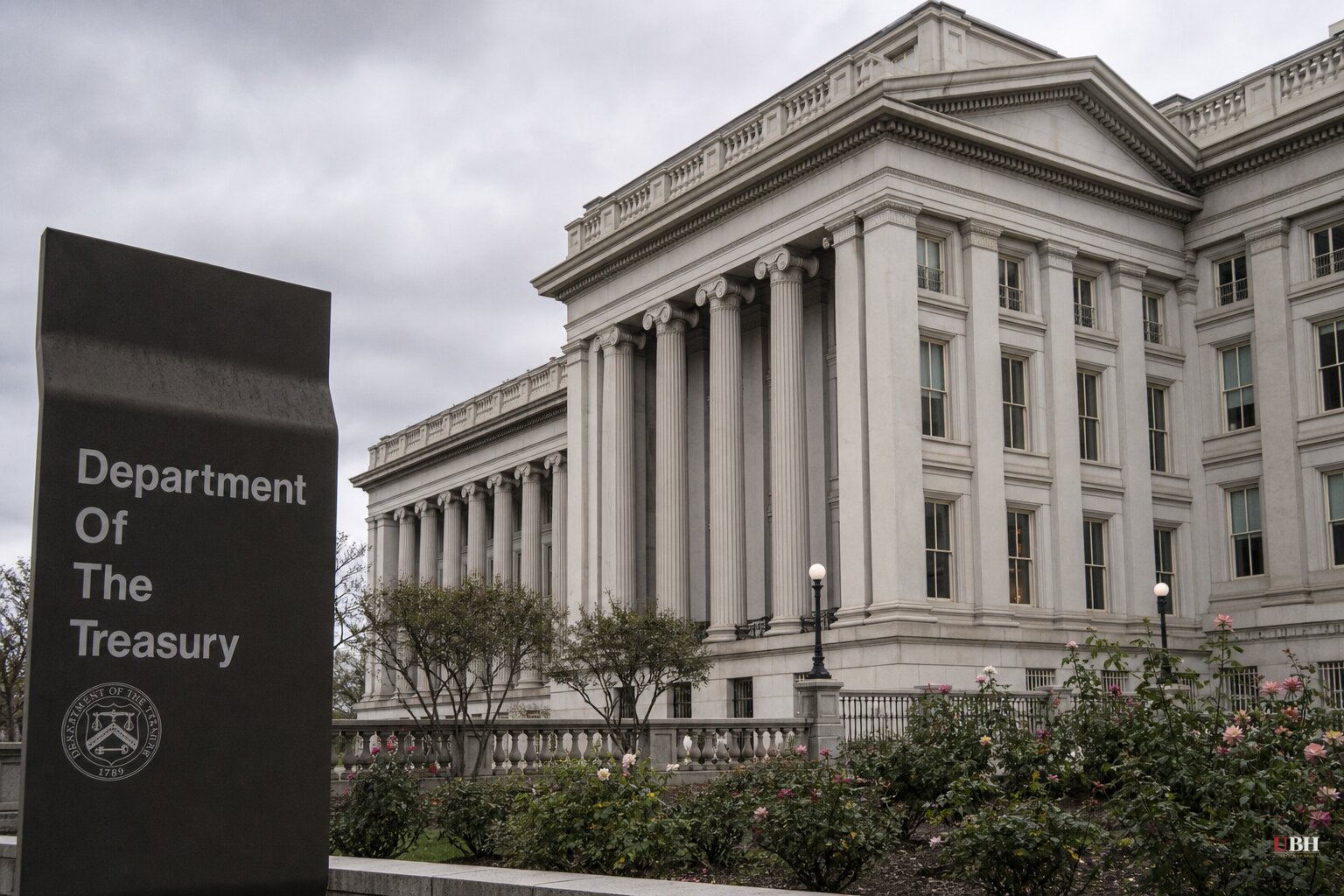
The 10-year Treasury yield hit 4.69% Thursday. That's basically where it sat before Treasury Secretary Scott Bessent tried to talk the market down.
Bessent's move: doubling the size of a bond buyback program to $4 billion per operation starting next month, up from $2 billion, according to the Associated Press. Buy more long-term bonds, push their prices up, and yields fall. It didn't work.
Bessent told CNBC on Thursday the program could grow even larger. "We have a big toolkit so we'll see," he said. "We believe that the yields don't reflect the underlying fundamentals."
The bond market isn't buying it, literally. The 30-year yield sat at 5.23% Thursday, barely off a 19-year high hit earlier in the week, per the AP.
Total U.S. government debt topped $40 trillion on Wednesday, according to the AP. The country blew past $39 trillion in April, meaning Washington added a trillion dollars in debt in about four months.
The Congressional Budget Office estimated this week that this year's deficit, the gap between what government spends and what it collects, will top $2 trillion. Outside of a recession, that's an extraordinary number.
Bessent argues the deficit will peak this year, partly because of tariff refunds he calls a temporary factor. Gennadiy Goldberg, head of U.S. rates strategy at TD Securities, identified the core issue: reducing the deficit is Congress's job, not Treasury's. "What we are seeing is the market is still a little bit skeptical that Treasury can and will be able to backstop some of these moves," Goldberg told the AP.
Translation: investors don't trust that anyone in Washington is actually going to cut spending. Bessent says a new deficit-reduction plan could come as soon as Monday. Until it's real legislation with real numbers, it's a promise.
There's a second force pushing yields up that has nothing to do with Congress. Big Tech companies are issuing a flood of corporate bonds to fund AI data centers, according to the AP. More bond supply competing for the same pool of investor money pushes bond prices down and yields up. TradingEconomics flagged the same dynamic, calling out "soaring corporate credit issuance" as a factor keeping long-term yields elevated.
You've got the federal government borrowing at a historic clip and tech giants borrowing at a historic clip, both hitting the same bond market at the same time. That's a supply glut, and Bessent's buyback program is a drop in that bucket.
President Trump has repeatedly pushed the Federal Reserve to cut rates. But per the AP, the recent run-up in longer-term yields is being driven primarily by financial markets, not Fed policy. The Fed sets short-term rates. Long-term Treasury yields move on investor expectations about inflation, deficits, and supply and demand for bonds.
This distinction matters because it means jawboning the Fed doesn't fix this problem. Neither does a Treasury buyback that only nibbles at the edges of trillions in new debt.
Fed Chair Kevin Warsh is scheduled to deliver his first Jackson Hole keynote address since taking the job, set for Friday, August 28, at the Kansas City Fed's annual symposium in Wyoming, according to TradingKey and TradingEconomics. Markets are watching for hints on the Fed's September rate path.
CNN reported that as of its writing, futures markets were pricing roughly 50/50 odds between a September rate hike and holding steady, with the odds shifting after a weak July jobs report showed the economy lost 23,000 jobs. Consensus estimates cited by CNN pointed to July core CPI cooling slightly. If Warsh strikes a hawkish tone at Jackson Hole, emphasizing inflation risk, that could push yields higher still, according to TradingKey's preview of the event.
Marketplace's on-the-ground reporting from Jackson, Wyoming, offers a useful reality check. While central bankers debate abstractions an hour away at Jackson Lake Lodge, local business owners like Margaret Brady, who has run the knitting store Knit on Pearl for 30 years, are dealing with exploding real estate prices and workers who can't afford to live in the town where they work. The gap between Fed-speak and Main Street is not new, but it's rarely this visible in the same news cycle.
The open question now is whether Bessent's promised deficit plan, expected as soon as Monday, August 24, contains anything Congress will actually pass. Buybacks can manage the margins. They cannot substitute for spending cuts nobody in either party has shown much appetite for.
Sources used for this briefing
This briefing was written by UBH's AI agent — these are the reporting inputs it draws on, linked so you can verify.


