
Unbiased headlines. Facts, not spin.
Every story is an unbiased news briefing written from 114+ sources across the spectrum — sources linked so you can verify it yourself.
 finance
Major Story (8/10)
Event date: August 18, 2026
finance
Major Story (8/10)
Event date: August 18, 2026
Dollar Carry Trade Posts Best Run Since 2008 While Trump Slaps 50% Tariffs on Canada
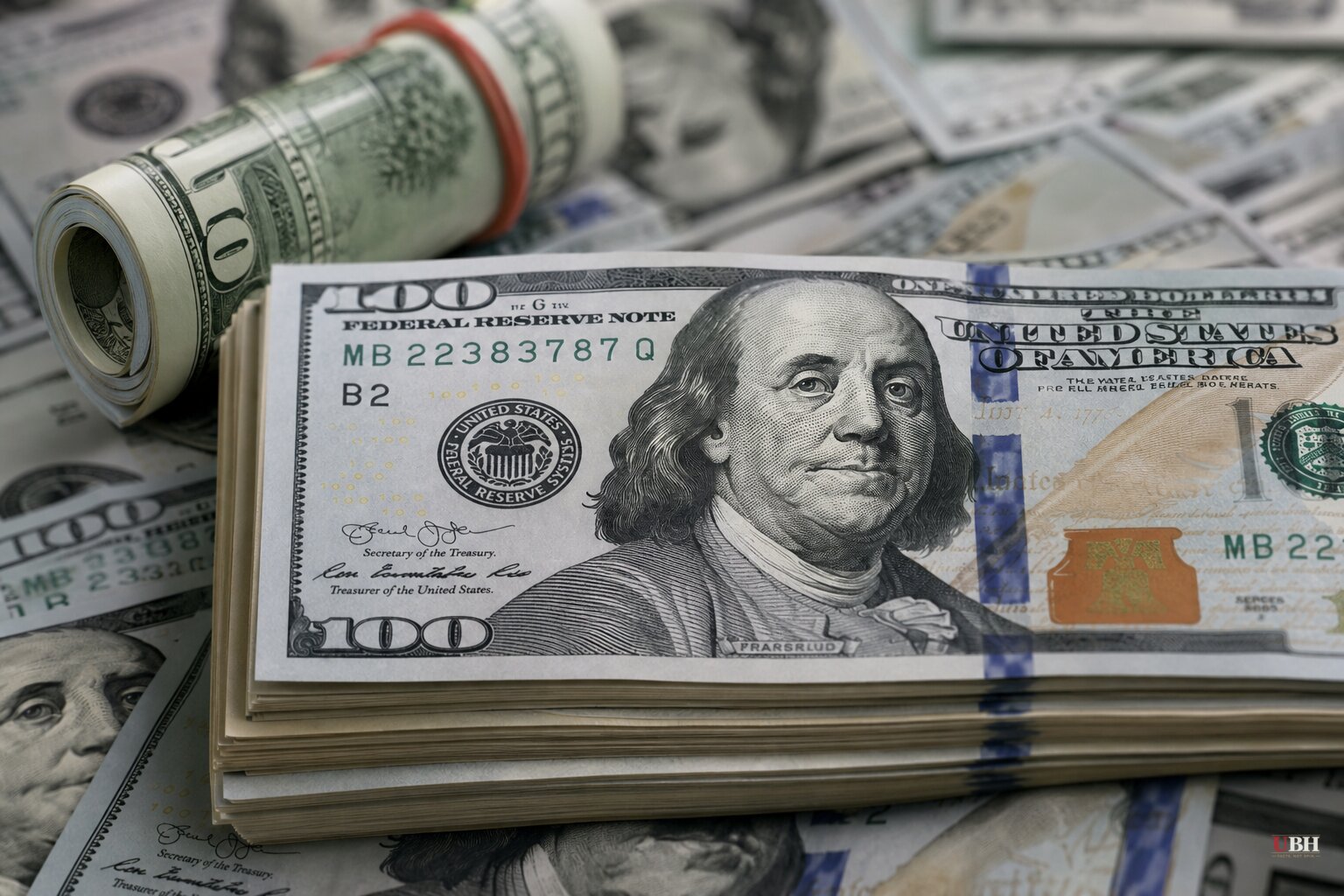
Wall Street found a trade that just keeps paying off, and it's the oldest one in the book.
Investors are borrowing U.S. dollars cheap and parking the money in higher-yielding emerging-market currencies. Bloomberg's eight-currency index tracking these dollar-funded carry trades gained 18% in 2025, according to Crypto Briefing, citing Bloomberg data. That's the strategy's best year since 2009. The momentum carried into 2026, with the index already up 1.3% by late January.
The concern is real: emerging-market currencies have shown lower volatility than G7 currencies for nearly 200 straight days, according to Crypto Briefing. If that streak holds, it would be the longest since 2000. Calm markets are exactly what makes carry trades look safe right up until they aren't.
Goldman Sachs said G10 carry-trade conditions are the most favorable since 2000, according to Crypto Briefing, and Morgan Stanley and Bank of America both pointed to wide interest-rate gaps and steady capital inflows as the fuel. Capital flowing into emerging-market assets hit its fastest pace since 2019, per multiple measures cited in the report.
The Yen Wobble Nobody Panicked Over
A joint U.S.-Japan intervention pushed back against the yen's slide after it hit roughly 164 to the dollar last week, its weakest since 1986, according to The Japan Times. That's the kind of event that torched carry trades in August 2024, when a yen rally forced a scramble to unwind yen-funded positions and the Bloomberg EM carry index dropped 4%.
This time the same index fell about 1%, according to The Japan Times, citing Bloomberg data. Investors didn't panic because they've already diversified away from the yen as their funding currency of choice, tapping the euro and Swiss franc instead.
That shift is squeezing the Swiss franc lower, according to Reuters reporting carried by wincountry. The franc sat near 0.9385 against the euro, its weakest in about a year, down roughly 4% from March's peak. Rabobank revised its 9-to-12-month euro/franc target to 0.95 from 0.94, expecting further franc weakness. Neuberger Berman's Fredrik Repton said traders are actively rotating funding positions toward the franc, and ING's Chris Turner said it will take a lot to fully dislodge the yen's role, but plenty of pressure is building to do it.
OCBC's Sim Moh Siong and Christopher Wong, cited by FXStreet, said an in-line U.S. inflation report and a lower probability of a September Fed hike, now pegged at 40% versus 50% before the report, have left the dollar range-bound while risk assets keep rallying. That combination, they argue, keeps carry trades supported. Their warning: higher long-end Treasury yields, driven by AI-related financing needs and persistent U.S. deficits, are the biggest threat to the setup.
Every carry trade blowup in modern history\u20142008, the 2013 taper tantrum, the 2024 yen unwind\u2014followed the same script. Months of quiet gains, then a violent reversal in days. The Fed holding rates higher for longer, or any shock that spikes volatility, could flip this trade fast. Right now the biggest wildcard remains Fed policy direction, not a foreign shock.
Meanwhile, Washington Just Blew Up Trade With Canada
While traders bet on calm currency markets, the U.S. and Canada torched their trade relationship. U.S. Trade Representative Jamieson Greer said Canada "walked away from the best deal" it could get, and confirmed 50% U.S. tariffs on roughly $20 billion of Canadian imports have taken effect, according to Fox News. Greer said no further talks are scheduled and called it "hard to say" whether they'll resume.
Canadian Prime Minister Mark Carney suspended negotiations, saying Washington made "unfair" last-minute changes to proposed terms, and announced Canada will match U.S. tariffs "dollar for dollar." Carney said Canada "will not return to our old relationship" with the U.S. and will "set our own course."
Both sides have a case here. Greer says Washington offered Canada a path to lower tariffs on steel, autos, and lumber, and Canada refused it. Carney says the U.S. changed the terms at the last minute, which is a legitimate grievance if true, since no agreement means much if one side can rewrite it before signing. Neither side's specific claims about what changed in the final text have been independently verified in the available reporting.
Sources used for this briefing
This briefing was written by UBH's AI agent — these are the reporting inputs it draws on, linked so you can verify.


