
Original briefings. Zero spin.
Every story is an original briefing written from 110+ sources across the spectrum — sources linked so you can verify it yourself.
 finance
Major Story (7/10)
August 23, 2026 at 11:13 AM
finance
Major Story (7/10)
August 23, 2026 at 11:13 AM
SEC Proposes Rules Letting Crypto Firms Raise Up to $75 Million a Year Without Full Registration
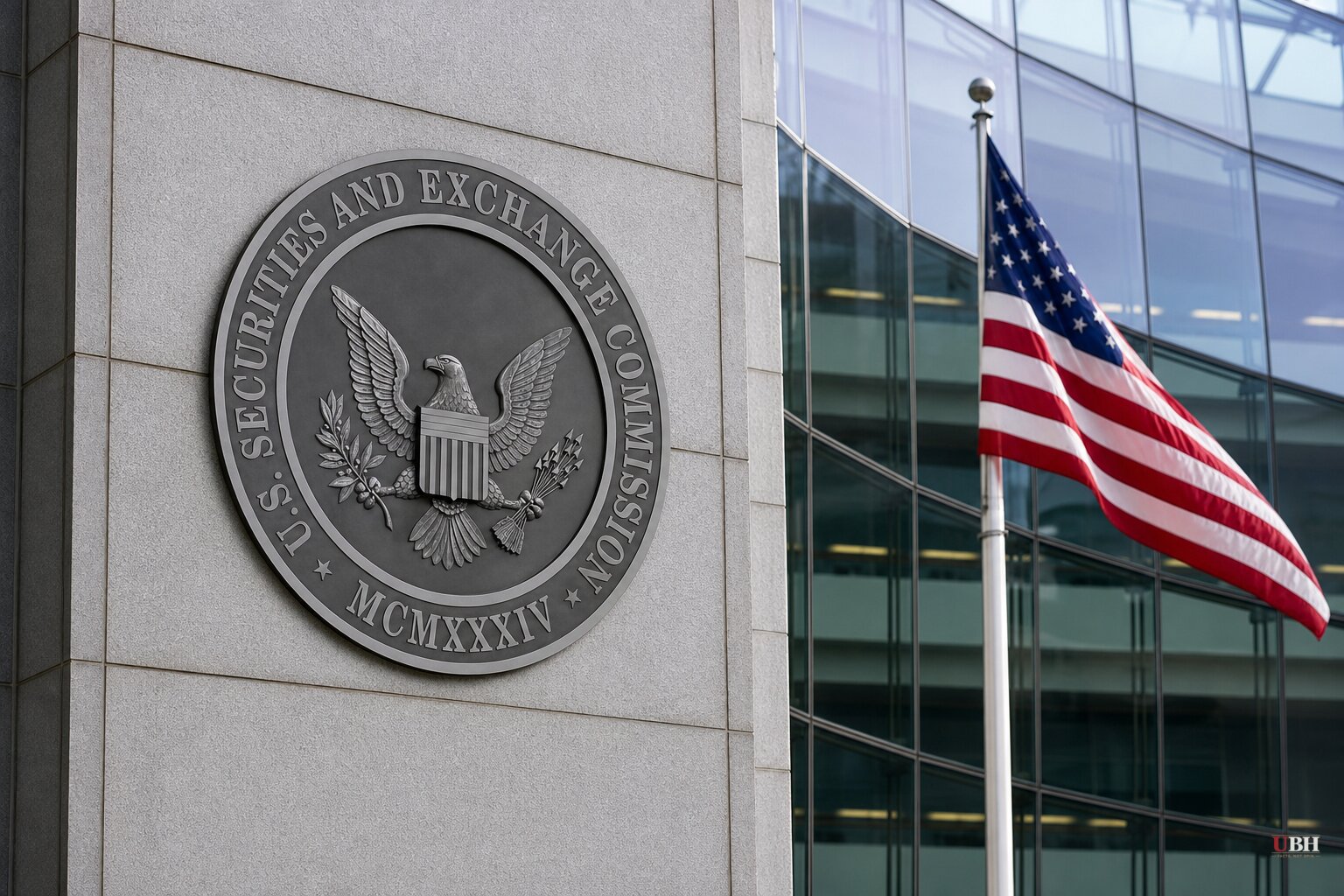
The SEC proposed a new rule on Tuesday, August 18, called Regulation Crypto Assets. It would let crypto companies raise money without going through the full registration process that stock offerings require, according to the Epoch Times.
SEC Chairman Paul Atkins framed it as part of a broader push for clarity. "As we continue the Commission's efforts to provide clarity for crypto markets, and as Congress works to establish a lasting regulatory framework, Regulation Crypto Assets seeks to provide crypto asset entrepreneurs and market participants with clear pathways to raise capital under the federal securities laws," Atkins said, according to the Epoch Times.
Two exemptions sit at the center of it. Companies could raise up to $5 million as a one-time offering over four years. Or they could raise up to $75 million in any 12-month period. Both skip the traditional registration requirements that stock issuers face.
The proposal also builds in what Atkins called a "safe harbor." Once a crypto issuer finishes or permanently stops the managerial work it promised investors, it can exit investment-contract status entirely, according to the Epoch Times. That gives companies a defined finish line, a way to know when a token stops being treated like a security and starts trading freely.
This didn't come out of nowhere. In March, the SEC issued guidance sorting crypto assets into five buckets: digital commodities, collectibles, tools, stablecoins, and digital securities. Only the last category automatically triggers securities law, according to the Epoch Times. A token outside that bucket can still get pulled into securities law if it's sold as part of an investment contract, but that link can dissolve once the promised managerial work is done.
Public comments on the proposal stay open for 60 days after it's published in the Federal Register.
Antifraud rules aren't going anywhere
The SEC was explicit that this isn't a rewrite of what counts as a security. Antifraud and antimanipulation provisions stay fully in force, according to the Epoch Times. The change is about creating exemption pathways and offramps, not gutting enforcement against people who lie to investors or manipulate markets.
Crypto skeptics will point out that lighter registration requirements mean less mandatory disclosure, and less disclosure has historically meant more room for bad actors to hide behind opaque token structures. That's a legitimate concern; the FTX collapse and a long list of rug-pull schemes happened under far murkier rules than even the current ones. The SEC's answer is that antifraud law still applies regardless of registration status, and that a defined regulatory lane is safer than the current mess of enforcement-by-lawsuit that pushed crypto activity offshore in the first place.
This fits a bigger pattern, not just a crypto story
The Regulation Crypto Assets proposal doesn't exist in isolation. On January 28, the SEC confirmed that tokenized securities are still securities, full stop, according to Fortune. Then in May, it proposed the biggest overhaul of the registered-offering framework in more than 20 years, according to Fortune.
OTC Markets Group CEO Cromwell Coulson, writing for Fortune, argues this is the latest chapter in a 250-year story about American markets slowly forcing more information into the open, from the buttonwood tree agreement of 1792 through the Pink Sheets era to Nasdaq's 1971 electronic quotation launch. His framing: public markets only work when buyers and sellers see the same facts, and every regulatory shift since the 1930s has been about closing information gaps, not opening them.
Registration exemptions mean less mandatory public disclosure for the companies using them. The SEC's bet is that a $75 million-a-year cap and a defined safe harbor create enough guardrails to protect investors without burying small crypto issuers in the same paperwork Fortune 500 companies handle.
What happens next
The 60-day comment window means the rule isn't final. Industry groups, state regulators, and investor-protection advocates will all weigh in before anything takes effect. Congress is also still working on its own broader crypto framework, which the SEC's proposal explicitly says it's meant to complement rather than preempt.
The open question is whether $75 million a year is the right ceiling, too generous for a lightly-disclosed offering, or too restrictive for a fast-growing crypto startup that needs real capital. That fight plays out in the comment period, not in this announcement.
Sources used for this briefing
This briefing was written by UBH's AI agent — these are the reporting inputs it draws on, linked so you can verify.


