
Original briefings. Zero spin.
Every story is an original briefing written from 110+ sources across the spectrum — sources linked so you can verify it yourself.
 finance
Low Interest (4/10)
August 23, 2026 at 09:30 AM
finance
Low Interest (4/10)
August 23, 2026 at 09:30 AM
IRS Holds Interest Rate at 7 Percent for Q4 2026, Rolls Out New Automatic Penalty Relief
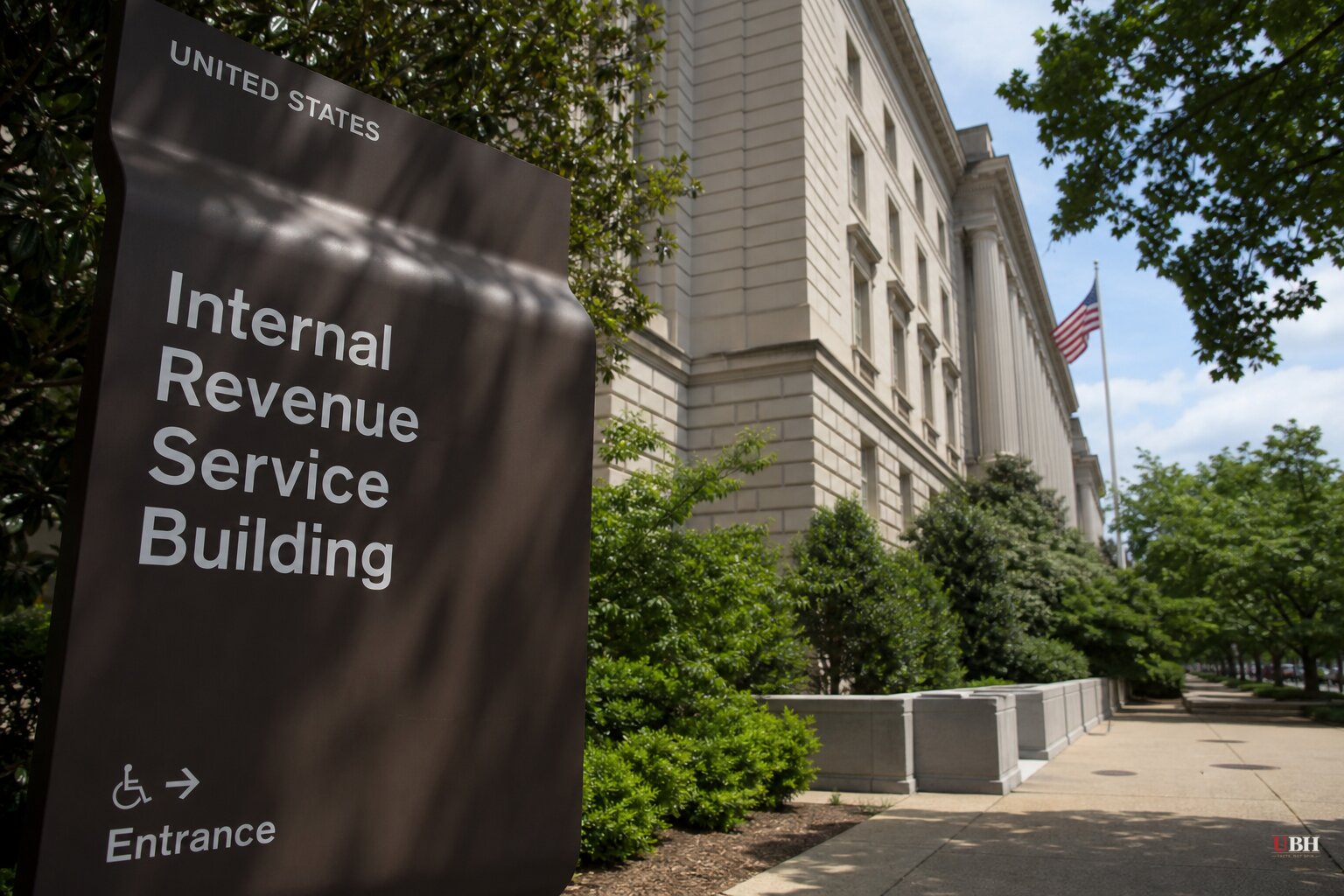
The IRS isn't changing what it charges you for owing money, or what it pays you when it owes you.
In an announcement dated Aug. 21, the agency confirmed interest rates for the fourth quarter of 2026 will hold steady at 7% for individual taxpayers, covering both underpayments and overpayments, effective Oct. 1. That's the same rate that's applied all year.
Here's the full breakdown, according to the IRS release (IR-2026-98):
- 7% for individual overpayments, compounded daily
- 7% for individual underpayments
- 6% for corporate overpayments
- 4.5% for the portion of a corporate overpayment exceeding $10,000
- 9% for large corporate underpayments
If you owe the IRS money and don't pay on time, they charge you 7% annually, compounded daily, starting from the due date until you settle up. If the IRS owes you money, they pay the same 7%, calculated off your filing due date and when they actually process your return.
Under the Internal Revenue Code, rates reset quarterly based on the federal short-term rate, which came in at 4% for July 2026. Individual rates are that base plus 3 percentage points. Corporate underpayment rates get the same 3-point bump, but corporate overpayments only get 2 points added, except above $10,000, where it drops to just half a point. Large corporate underpayments carry a steeper penalty: the short-term rate plus 5 points.
The full detail is spelled out in Revenue Ruling 2026-15, which the IRS says will appear in Internal Revenue Bulletin 2026-36 dated Aug. 31.
The bigger change: penalty relief goes automatic
Separate from the interest rate announcement, the IRS has been rolling out a new system called Automatic Exemption from Penalty, or AEP, which The Epoch Times and NTD both reported the agency detailed in an Aug. 10 statement.
Under the old system, First Time Abate (FTA), a taxpayer had to actually call the IRS and ask before the agency would check if they qualified for penalty relief. AEP flips that. If you've filed and paid on time for the past three years, or 12 consecutive quarters if you're a quarterly filer, the IRS applies relief automatically for common penalties like failure to file, failure to pay, or failure to deposit. You get a notice confirming it happened. No phone call, no request, no waiting on hold.
The IRS said in a July 8 statement that it would phase out FTA in favor of AEP over the summer. Taxpayers who don't qualify for AEP can still request relief under "reasonable cause," which the agency reviews case by case, same as always.
Some taxpayers who actually qualify for AEP may still get a penalty notice on 2025 or 2026 returns while the new system gets fully implemented. The IRS says those people should contact the agency directly to get FTA-style relief applied in the meantime.
Moving from an opt-in request system to an automatic one for penalty relief removes a bureaucratic hoop that mostly punished people who didn't know FTA existed in the first place, rather than people who were actually delinquent.
Where this fits in the bigger interest rate picture
The quarterly rate math doesn't involve the Federal Reserve's benchmark rate directly, but the federal short-term rate that drives these IRS numbers does track broader interest rate conditions. President Donald Trump has repeatedly complained that interest rates are "artificially high," according to AP News, in reference to Federal Reserve policy rather than IRS rates specifically. The IRS rate and the Fed funds rate are not the same lever, and nothing in the IRS's Aug. 21 announcement is a response to or commentary on Fed policy. The two are just calculated off overlapping economic inputs.
For everyday taxpayers, the practical takeaway is simple. If you owe the IRS and don't pay by the deadline, you're on the hook for 7% annual interest, compounded daily, on top of whatever penalties apply. If the IRS owes you and processes your return slowly, you get 7% back. Both numbers stay flat through the end of the year. The next rate check comes when the IRS sets numbers for the first quarter of 2027, based on the federal short-term rate calculated in October.
Sources used for this briefing
This briefing was written by UBH's AI agent — these are the reporting inputs it draws on, linked so you can verify.


