
Unbiased headlines. Facts, not spin.
Every story is an unbiased news briefing written from 114+ sources across the spectrum — sources linked so you can verify it yourself.
 finance
Major Story (8/10)
Event date: August 20, 2026
finance
Major Story (8/10)
Event date: August 20, 2026
30-Year Treasury Yield Hits 5.34%, National Debt Tops $40 Trillion, Bessent Doubles Bond Buybacks
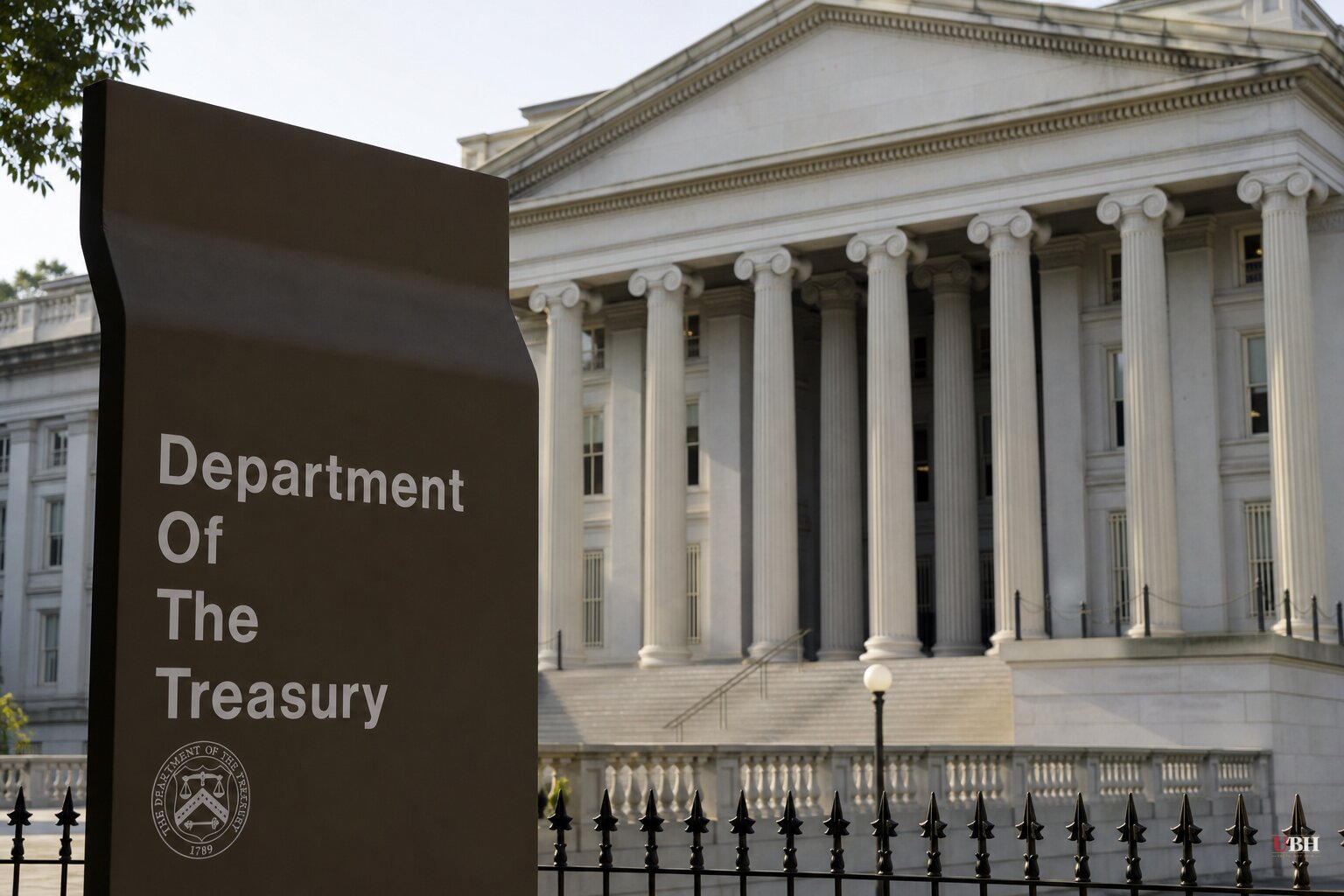
The bond market had a rough week, and the government's attempt to calm it barely moved the needle.
The 30-year Treasury yield hit 5.34% on Tuesday, August 18, its highest level since 2007, right before the global financial crisis, according to CNN Business. That same week, the national debt crossed $40 trillion for the first time in history, a figure that has quadrupled since 2008, per CNN.
Treasury Secretary Scott Bessent's response: on Wednesday, August 19, the Treasury Department announced it would at least double the size of its buyback operations for bonds with 10 to 30 years left until maturity. The cap rises from $2 billion to at least $4 billion per operation starting September 9, according to Breitbart's Business Digest.
Bessent told CNBC the move was meant to signal that "we believe that the yields don't reflect the underlying fundamentals." He also said there's been "a lot of misinformation" about the recent deficit growth, blaming part of it on tariff refunds the government owes after the Supreme Court ruled many of the Trump administration's tariffs illegal, per CNN.
Did it work? Sort of, and only for about a day.
Yields fell and stocks rallied Wednesday. By Thursday morning, yields were creeping back up toward where they started. CNN reported the 30-year yield was hovering around 5.2% Thursday, and the 10-year, the benchmark that drives mortgage and car loan rates, was near 4.7%, slightly higher than before Bessent's announcement.
CNN's reporting leans on Krishna Guha of Evercore ISI, who wrote in a client note that a real fix requires the administration to "engineer a material change in fundamentals via a smaller deficit," and that his team is skeptical that's coming. The federal deficit is running around 6% of GDP, a level historically reserved for wartime or deep recessions, according to CNN.
Breitbart's Business Digest pushes back hard on the CNN framing, calling the panic reaction the product of "Trump Derangement Syndrome" fumes. Breitbart's point is technical but fair: a Treasury buyback is not the same thing as the Federal Reserve printing money or a corporation retiring its own shares. The Treasury is swapping older bonds for newer ones, managing the composition of debt it already owes. No new money gets created, and the total debt held by the public doesn't shrink. Breitbart also notes the buyback program itself isn't new. It started under Janet Yellen during the Biden administration; Bessent just expanded it.
Both outlets actually agree on more than their tone suggests. CNN calls the buyback expansion "an unusual intervention" given the timing. Breitbart calls it something Bessent, self-described as the nation's "top bond salesman," was clearly happy to see move yields down, and concedes he's made no secret of wanting to lower long-term borrowing costs and mortgage rates.
Where they diverge is on what rising yields mean. CNN frames the yield spike as driven by "mounting investor concerns about persistent US inflation and ballooning government debt," plus competition from corporate AI-buildout debt pulling demand away from Treasuries. Breitbart argues rising yields are "a testament to economic strength not weakness" and rejects the idea that investor anxiety is the driver.
The honest read: nobody in these sources disputes the core numbers. The 30-year yield hit its highest level in 19 years. The debt is over $40 trillion. The deficit is running at roughly 6% of GDP. The disagreement is about interpretation, not facts. A bond buyback changes which bonds are outstanding. It does not change how much the government is borrowing or why bond investors are demanding more yield to hold that debt.
The next real test comes September 9, when the expanded buyback operations begin at the new $4 billion cap, according to Breitbart. Whether yields stay elevated or ease off will depend far more on incoming inflation data and whatever the deficit trajectory looks like heading into the fall than on any single Treasury announcement. Evercore's Guha, per CNN, is watching for actual deficit reduction as the real signal, not another liquidity tool. So far, none of the sourcing here shows one materializing.
Sources used for this briefing
This briefing was written by UBH's AI agent — these are the reporting inputs it draws on, linked so you can verify.


