
Original briefings. Zero spin.
Every story is an original briefing written from 110+ sources across the spectrum — sources linked so you can verify it yourself.
 finance
Major Story (7/10)
Event date: August 20, 2026
finance
Major Story (7/10)
Event date: August 20, 2026
Chip Stocks Sell Off, Treasury Expands Bond Buybacks: Two Stories, One Nervous Market
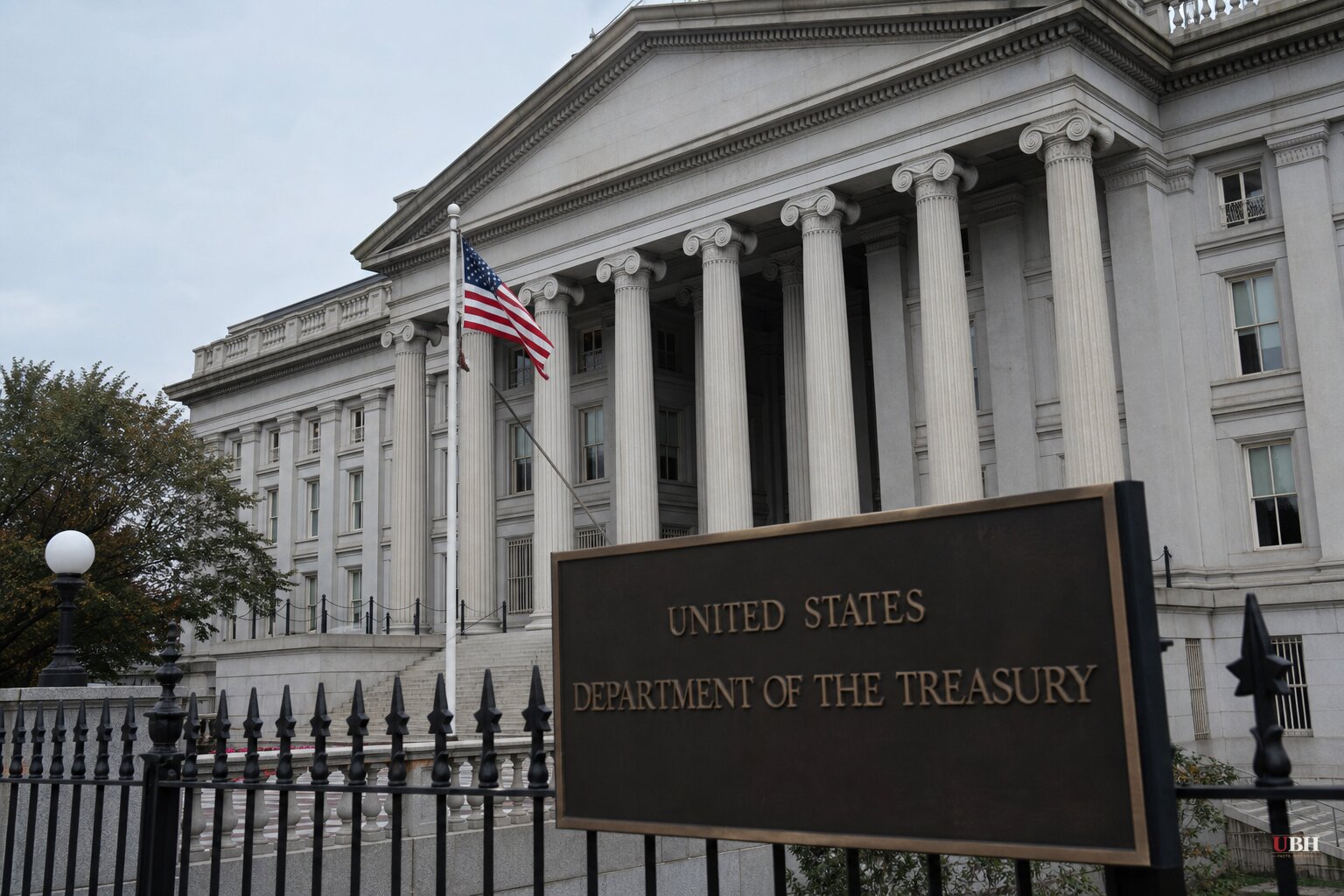
Two things happened this week that got tangled together in the financial press, even though they're separate stories with separate causes.
First: chip stocks got hammered on Wednesday. Dell Technologies fell 6.6%. Seagate Technology dropped 7.9%. Western Digital lost 6.9%. Sandisk shed 3.5%. Micron slipped a bit. Meanwhile money rotated into software names like Salesforce and ServiceNow, both posting solid gains, according to Morningstar's writeup of the session.
Second: the U.S. Treasury announced Wednesday it's expanding its bond buyback program. Starting September 9, the cap on buybacks for bonds with 10 to 30 years left until maturity rises from $2 billion to at least $4 billion per operation, according to Breitbart. That announcement landed one day after the 30-year Treasury yield topped 5.3%, its highest level in 19 years, and in the same week U.S. government debt crossed $40 trillion for the first time.
What the Treasury actually did
Breitbart's Business Digest makes a fair point that's easy to lose in the noise: a Treasury buyback is not quantitative easing. When the Federal Reserve buys bonds, it creates new bank reserves and expands its balance sheet. When the Treasury buys back its own old bonds, it's retiring specific debt while continuing to issue new debt elsewhere. No new money gets created. It's debt management, not stimulus, and Breitbart notes the program itself started under Janet Yellen during the Biden administration. Treasury Secretary Scott Bessent, who has called himself the "nation's top bond salesman," expanded an existing tool rather than inventing a new one.
That said, the timing is significant. Bessent has been open about wanting to bring down long-term borrowing costs and, by extension, mortgage rates, which track the 10-year and 30-year yields closely. Home affordability remains one of the most consistent complaints in consumer surveys. Bonds did rally and yields did fall after the buyback announcement, so the market read it, at least partly, as Treasury leaning against recent volatility. Whether that's smart debt management or a political nudge to ease pressure on housing costs is a fair question, and reasonable people can disagree on it.
The chip selloff has its own logic
The semiconductor drop doesn't appear connected to the Treasury news at all. Mizuho analyst Daniel O'Regan told clients the Wednesday selloff "feels less like a fundamental reset and more like a positioning unwind," adding that AI spending and data-center demand are still "largely intact." In plain terms: investors who'd piled into memory and storage names took profits and moved into laggards like software stocks.
Allen Bond, managing director at Jensen Investment Management, pointed to a more specific worry. Recent reporting has raised questions about the finances of AI startups, and there's been growing local pushback against data-center construction, according to Bond. Memory and storage companies are "the most exposed to that incremental supply and demand," he said, meaning any doubt about the data-center buildout hits those stocks hardest and fastest.
David Fetherstonhaugh of VistaShares flagged another trigger: SK Hynix announced a stock buyback of its own on Wednesday, and the market split on how to read it. "One camp sees any buyback as proof the company isn't investing enough and that growth is over," he said.
Retail investors are getting nervous, not leaving
Data from Vanda Research and Charles Schwab, reported by the International Business Times, shows individual investors are still buying AI-linked stocks but hedging harder than before. Put buying among the dozen stocks retail traders favor most has nearly doubled since April, climbing to 110% of net cash buying from roughly 26%, according to Vanda strategist Kaidi Meng. Purchases of bullish tech ETFs have fallen roughly 50% since mid-April, compared with a 35% drop in bearish ETF buying.
Schwab's own trading index rose for a third straight month in July to 59.80, its highest reading since January 2022, and clients remained net buyers by more than two-to-one. Nvidia, notably, has dropped off the list of stocks retail investors are chasing.
The bigger question nobody's answered yet
CNN's coverage zeroes in on what it calls "circular financing," where AI companies fund each other's purchases in ways that inflate apparent growth. Nvidia's reported $500 billion financing arrangement involving Apollo, BlackRock, Goldman Sachs and other firms to back customer chip orders is the marquee example. Franklin Templeton's Max Gokhman told CNN the arrangement isn't yet at alarming leverage levels, but warned "circular financing will end badly" eventually.
None of this proves the AI trade is a bubble about to pop. Capital expenditure from hyperscalers keeps climbing, and 24/7 Wall St. argues the real winners going forward may be chokepoint monopolies like Taiwan Semiconductor and ASML rather than commoditized memory and storage makers now getting hit hardest. Institutional money hasn't fled either. SEC filings show Korea Investment Corp built a new $49.9 million position in NXP Semiconductors last quarter, and Marshall Wace boosted its NXP stake by 887%.
What's unresolved is whether Wednesday's chip selloff was a one-day "positioning unwind," as O'Regan put it, or the start of the broader reassessment of AI spending that he says the market will eventually have to make. That verdict depends on data nobody has yet: whether AI companies start turning the trillions in capital expenditure into actual profit before Wall Street's patience runs out.
Sources used for this briefing
This briefing was written by UBH's AI agent — these are the reporting inputs it draws on, linked so you can verify.


