
Unbiased headlines. Facts, not spin.
Unbiased Headlines is an independently owned news organization. We bring you the facts, not opinions, written fresh from 110+ named sources. Sources linked so you can verify it yourself.
 defense
Major Story (7/10)
Event date: October 16, 2026 ·
Saudi-Backed Yemeni Forces Withdraw From Bab el-Mandeb Area, Leaving Houthis in Control
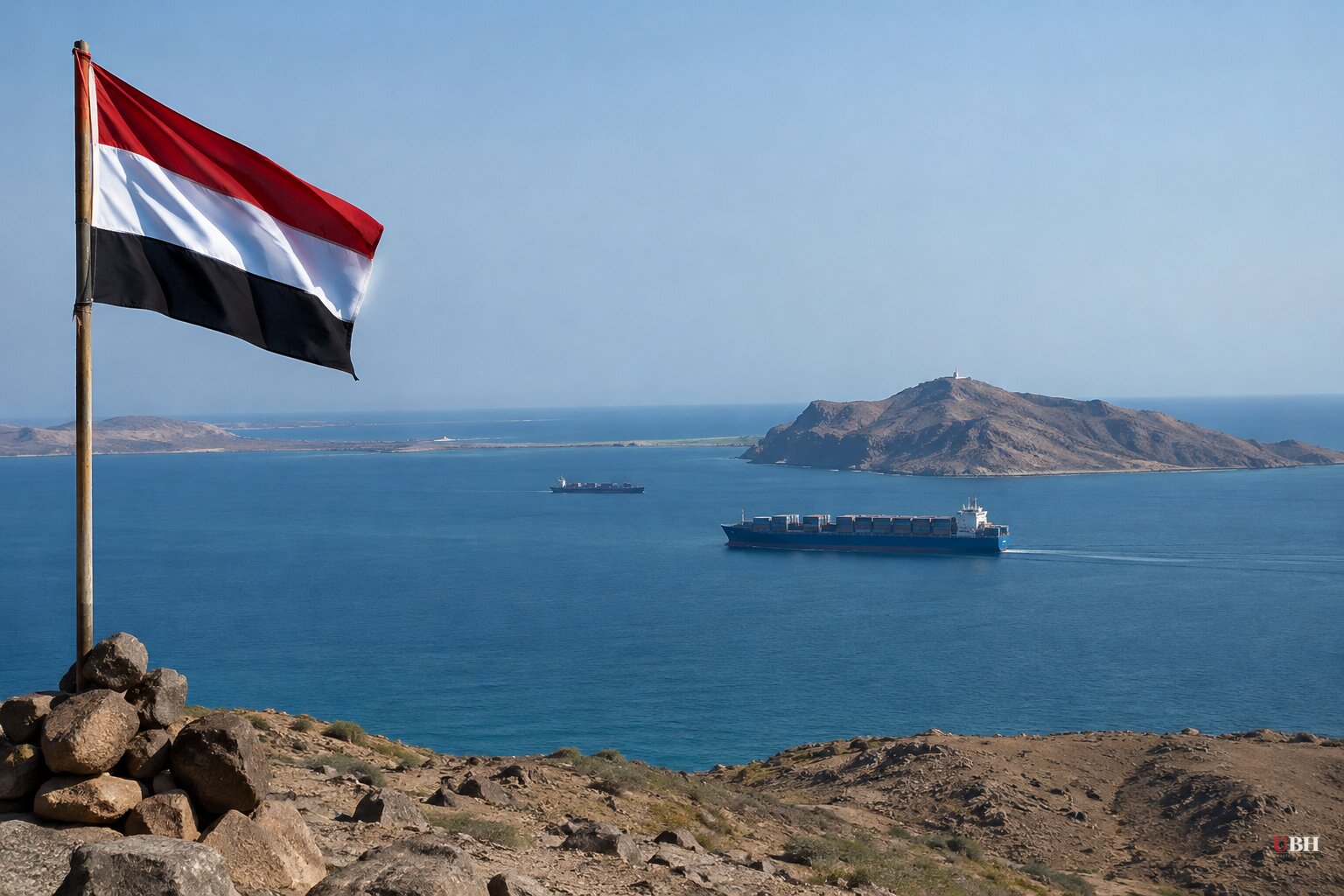
Since the Houthis pushed south in September and government forces launched a counteroffensive in October, the fight over Yemen's Red Sea coast has become another volatile front in the wider U.S.-Israeli war on Iran. On Sunday, Nov. 15, that front moved in the Houthis' favor.
Yemeni forces fighting for the internationally recognised, Saudi-backed government said they are withdrawing from an area overlooking the Bab el-Mandeb Strait. The Houthis are left in control.
What the forces said
The southern forces announced "a redeployment operation for its forces from Dhubab Airport and the Bab el-Mandeb area, west of Taiz Governorate."
Their statement gave the reason: "This step is taken based on the priority of securing the capital, Aden, and the neighbouring governorates, as well as strengthening the front lines and addressing existing threats."
The forces are redeploying toward Aden, where the government is based. They also said the move would support efforts to break the Houthi siege of Taiz city and that it would be carried out with the support of the Saudi-led coalition.
That is the forces' own framing. A redeployment toward the capital is not described by them as a defeat. But the practical result is plain: the Houthis now hold ground that the government said it had retaken a month ago.
A reversal of October's gains
Last month, government troops said they had recaptured the Dhubab area overlooking the sea lane, along with the strategic port city of Mokha. The campaign aimed to retake strategic coastal areas after the Houthis' September offensive, an attempt to seize control of Yemen's entire Red Sea coast, brought them within reach of Bab el-Mandeb.
The Houthis control much of the north, including the capital Sanaa and Yemen's most populous areas. They have been increasing pressure on the southern areas still held by the government.
That escalation broke a 2022 UN-brokered truce. Yemen has been in civil war since 2014, when the Houthis pushed the government south.
Why the strait matters
Bab el-Mandeb is one of the world's most important and busiest routes for seaborne commodity and goods shipments, particularly cargo moving from Asia to Europe through Egypt's Suez Canal.
The government's retreat hands the Houthis greater leverage over the chokepoint and creates a potent pressure point on global shipping. At the same time, Iran continues to disrupt traffic through the Strait of Hormuz on the other side of the Arabian Peninsula.
That dual squeeze would further isolate Gulf oil producers from their main shipping routes. Saudi Arabia, the world's biggest crude exporter and a key U.S. ally, is among the most exposed.
Pressure on Saudi Arabia
The kingdom enjoyed relative calm in the early months of the nine-month-old Iran war. That has ended. Houthi attacks have disrupted flights and oil supplies, with strikes on Saudi ports, airports and facilities of state oil company Saudi Aramco. The targets include Yanbu, the kingdom's Red Sea oil export hub.
Saudi Arabia has struck Houthi targets in Yemen in response.
On Sunday, the Saudi-led coalition said it had intercepted two Houthi ballistic missiles launched toward Riyadh and three drones over the Eastern Province, the kingdom's oil-rich region. The Houthis have intensified attacks on the Saudi capital in recent days, and a Houthi attack last week damaged an administrative building of Saudi Aramco in Riyadh's financial hub.
The Houthis have also said they attacked Saudi tankers in the Red Sea and the Ras Tanura oil refinery. Those are Houthi claims.
The coalition's interception announcement came the same day Iran's Revolutionary Guards said they had attacked a U.S. military base in Bahrain, where authorities urged residents to seek shelter.
Taiz and the humanitarian toll
Fighting is intensifying around Taiz in western Yemen, and humanitarian conditions are worsening. The city remains besieged. Aid supplies cannot enter and civilians cannot leave.
Taiz hosts about half of the 300,000 people displaced across Yemen by the latest fighting. Impoverished Yemen has been grappling with one of the world's worst humanitarian crises.
The southern forces cast part of their redeployment as an effort to relieve that siege and end what they described as blockade and starvation policies. Whether pulling back from the coast helps or hurts that goal is untested.
What comes next
The withdrawal could give the Houthis greater leverage over one of the world's most important maritime chokepoints, potentially increasing pressure on global shipping. It is unclear whether the Houthis will use the position to threaten commercial traffic through Bab el-Mandeb directly. Neither the Houthi leadership nor Saudi officials have said what follows the withdrawal.
Sources used for this briefing
7 links from 7 independent newsrooms (syndicated copies of the same report count once)
These are the sources it draws on, linked so you can verify.


