
Unbiased headlines. Facts, not spin.
Unbiased Headlines is an independently owned news organization. We bring you the facts, not opinions, written fresh from 110+ named sources. Sources linked so you can verify it yourself.
 defense
Major Story (7/10)
Satellite Images Show Digging Near Two Iranian Missile Sites and Repairs at a Dozen More, Analysts Say
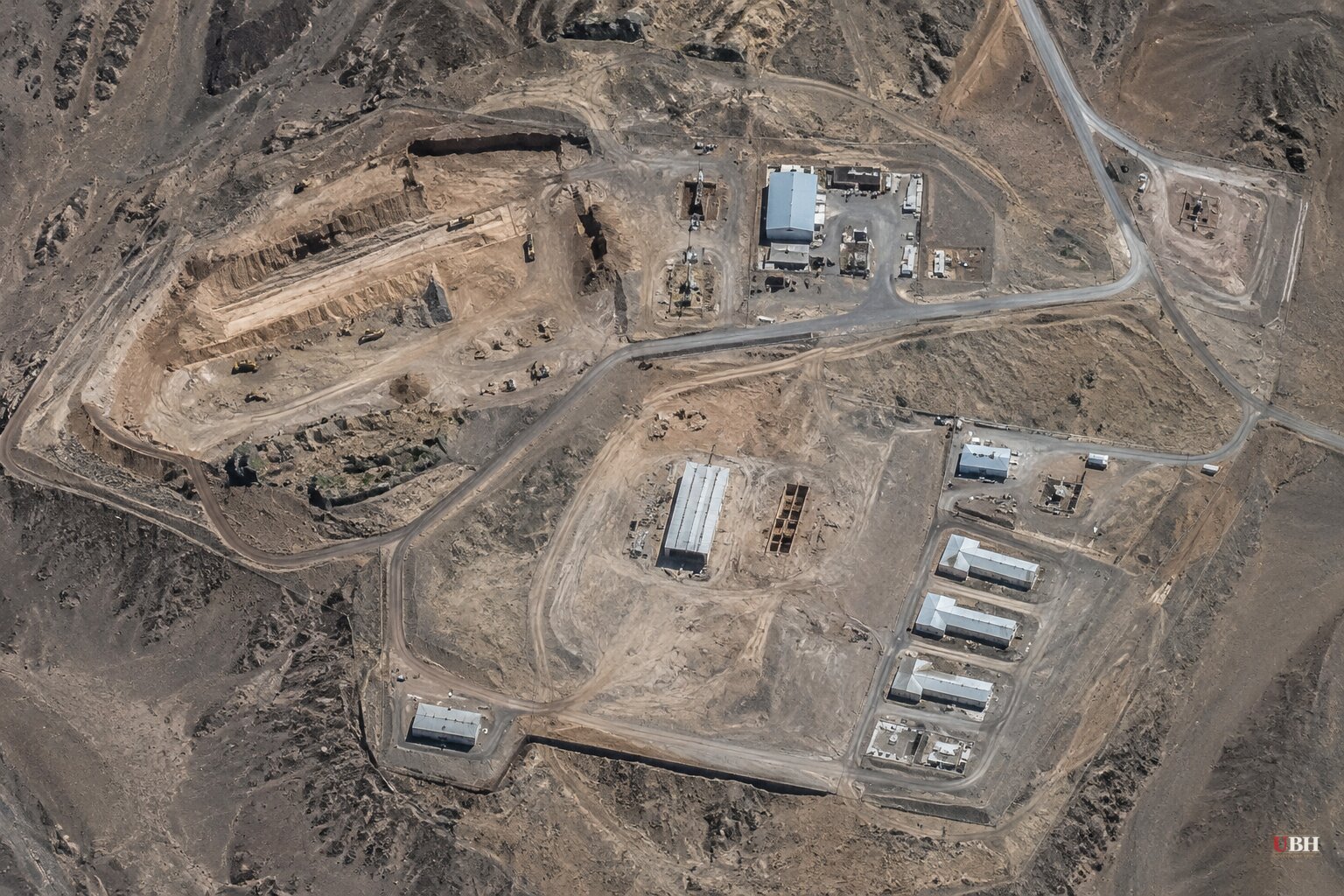
Iran is digging and building near at least two of its major missile sites and repairing military bases hit during months of US and Israeli air strikes. That is the reading of analysts at the British intelligence company MAIAR, who reviewed satellite images taken in November and told BBC Verify what they saw.
The two sites with the most significant new activity are the Garmdareh military base in Karaj, near Tehran, and the Shahroud base in the north. Both show excavation and new structures.
MAIAR also found signs of repair at no fewer than 12 other sites, including missile complexes and air bases.
What the images show
At the Kermanshah missile base in western Iran, near the Iraqi border, new roofs have gone up on buildings that had been destroyed.
At the Parchin military complex east of the capital, damaged buildings and debris have been cleared. Parchin has been repaired repeatedly despite a succession of air strikes.
The biggest finished job appears to be the Taleghan 2 facility inside Parchin. Analysts say damaged buildings were levelled, and an underground bunker hit in earlier attacks was repaired and reinforced with concrete.
At Karaj, vehicles are visible in the imagery, and the nearby airbase appears to have been improved. Sam Lair, a research analyst at the Foreign Policy Research Institute, said the images appear to show "a new portal for an underground facility."
MAIAR also identified new construction and earthworks near tunnel entrances close to Qom, next to the underground uranium enrichment complex at Fordow.
Going underground
Jim Lamson, a former CIA analyst who focused on Iran, said the Shahroud excavations could be tied to missile production. The nearby air base has been hit multiple times, he said, so the Islamic Revolutionary Guards Corps is probably looking for ways to move production facilities underground.
A MAIAR analyst described "a pattern of moving infrastructure underground to protect them from further strikes."
Mark Mellett, a defence analyst and former head of the Irish military, pointed to a second benefit for Tehran. Underground construction makes it "harder for outside observers to assess the extent and operational status."
The analysts are reading satellite photos of the surface, and none of them claims to know what is being built inside.
Sean O'Connor, an analyst at Janes, said the work is unlikely to be an effort to mislead foreign intelligence. In his view it would be an expensive project with little payoff as a deception.
Mark Cancian, a military analyst at the Center for Strategic and International Studies, said the activity near Fordow may indicate Tehran is preparing for further US and Israeli attacks and putting a priority on restoring military capabilities.
The political backdrop
The imagery lands in a tense week in Washington. Speculation has built in recent weeks that the US could resume attacks on Iran after the midterm elections held on Tuesday, Nov. 3.
On Wednesday, Nov. 4, Vice President JD Vance cited the war's unpopularity with voters as the reason for the Republicans' poor showing. He said it may have cost his party control of the Senate "for the next 6 years."
On Oct. 25, Fox News senior strategic analyst Jack Keane discussed reports that Iran could be rebuilding nuclear facilities, along with President Donald Trump's military options.
Taken together, the analysts' findings point to a pattern. Months of bombing damaged Iran's bases without ending its ability to rebuild them. Parchin is the clearest case, repaired again and again after each round of strikes.
The hardening is the harder part to counter. A site that moves underground is tougher to hit and tougher to count. Any plan to strike again would have to contend with portals and tunnels that did not exist, or were not visible, a few months ago.
What Iran is actually building at Karaj and Shahroud has not been established. Whether Washington acts on this imagery, or whether Vance's remarks about the war's political cost shape any decision on resuming strikes, is unanswered.
No announcement of renewed attacks has come from the administration, and the next round of imagery will show whether the excavations at Karaj and Shahroud keep expanding.
Sources used for this briefing
7 links from 7 independent newsrooms (syndicated copies of the same report count once)
These are the sources it draws on, linked so you can verify.


