
Unbiased headlines. Facts, not spin.
Every story is an unbiased news briefing written from 110+ sources across the spectrum — sources linked so you can verify it yourself.
 tech
Major Story (7/10)
June 26, 2026 at 06:10 PM
tech
Major Story (7/10)
June 26, 2026 at 06:10 PM
Sarah Wynn-Williams Sues Meta, Alleging Retaliation for Whistleblower Disclosures to Federal Regulators
What Wynn-Williams Is Claiming
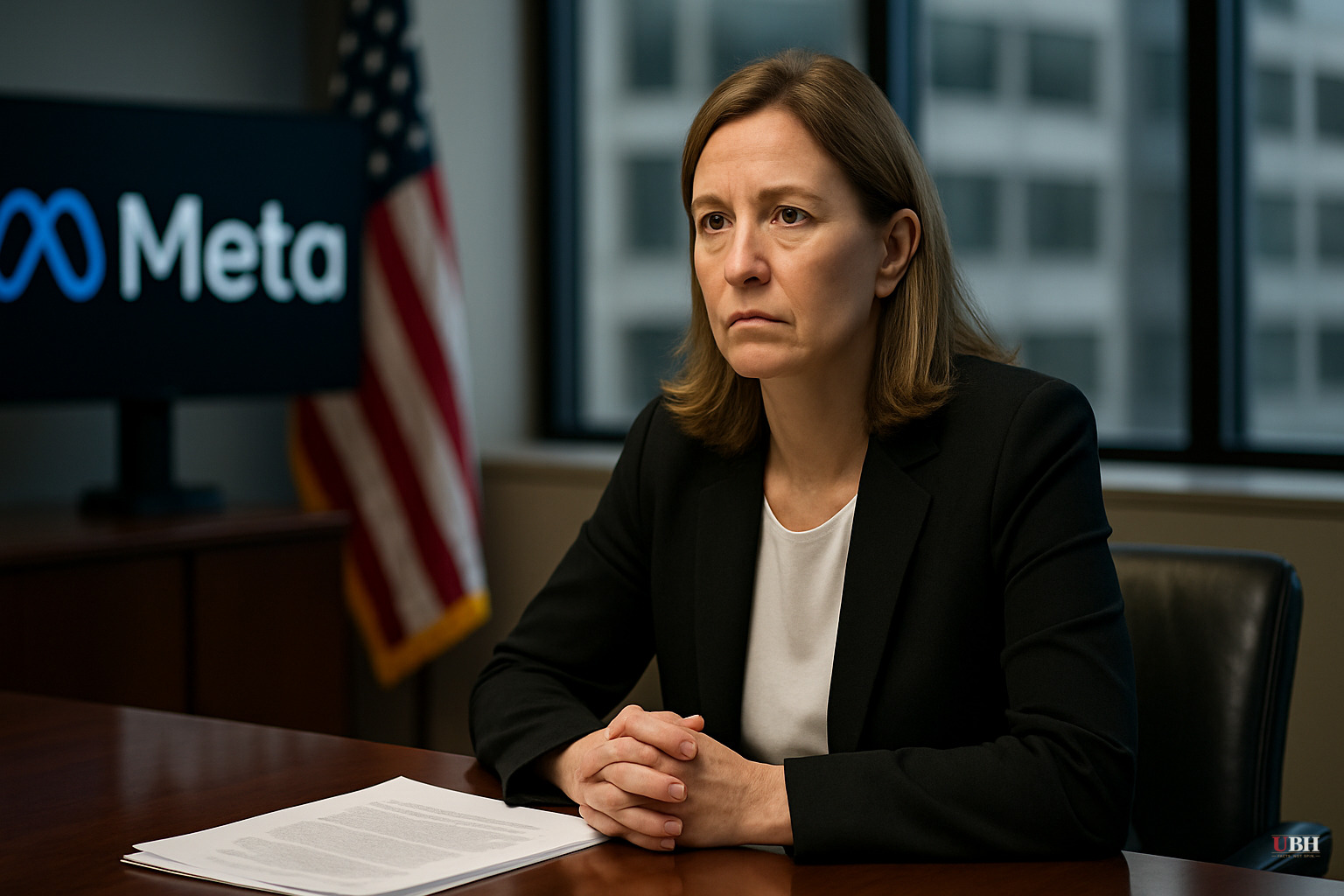
Sarah Wynn-Williams, Facebook's former Director of Global Public Policy, filed a lawsuit against Meta in California, according to Engadget. The complaint alleges Meta is "punishing" her for "disclosing its illegal and indefensible workplace conditions and corporate misconduct to federal regulators."
She specifically alleges two forms of retaliation: enforcement of a sweeping non-disparagement clause to suppress her public statements, and a surveillance campaign monitoring her speech and associations. The complaint frames this as a deliberate effort by Meta to "strike fear into the heart of anyone else" who might consider going public with similar allegations.
These are allegations in a legal filing. No investigation has been announced, and no charges have been filed against Meta as of June 26, 2026.
The Book and Meta's Response
Careless People was published in March 2025. It contained specific accusations about Meta's leadership, including claims that Joel Kaplan, the executive credited with overseeing the platform's conservative-leaning policy changes, was unaware that Taiwan was an island, engaged in harassment of Wynn-Williams, and failed to act on the company's role in the Myanmar crisis.
Before the book came out, Meta filed an emergency motion with an arbitrator seeking to block publication, arguing Wynn-Williams had violated the non-disparagement agreement she signed as part of her severance package. Meta spokesperson Andy Stone called the book "false and defamatory" and said it "should never have been published."
The arbitrator did not block publication. The book reached the top of the New York Times bestseller list.
Meta's Position Deserves a Fair Hearing
The strongest argument in Meta's favor is straightforward: Wynn-Williams signed a non-disparagement agreement as part of a negotiated severance deal. Enforcing that contract is not inherently retaliatory. It is what contracts are for. Companies, like individuals, have standing to protect themselves from reputational harm through legal agreements entered voluntarily.
Meta has maintained the book is factually false. If that claim is accurate, the company's legal response is not retaliation. It is self-defense against defamation. Courts will decide whether the non-disparagement clause was legitimate and whether Wynn-Williams's disclosures to federal regulators are protected activity that voids that agreement.
The allegation of surveillance is more serious and harder to contextualize charitably without more facts. That specific claim has not been tested or adjudicated anywhere yet.
What the Business Record Shows
Wynn-Williams's disclosures and Careless People did not materially affect Meta's business. According to Engadget, the company's share price climbed to a high of $785 in the months after the book's release, and by the end of 2025, its user numbers had grown. A company can survive a scandal and still have committed the misconduct alleged.
It does, however, complicate any argument that Wynn-Williams was a significant operational threat to the company, which may matter in how a court weighs Meta's claim that its legal actions were defensive rather than punitive.
The Arbitration Mechanism Question
One element worth watching: Meta initially routed its attempt to suppress the book through private arbitration, not open court. That is a common corporate tool, and it is legal. But arbitration proceedings are not public, the arbitrator is not a judge, and the process is not designed for transparency.
Wynn-Williams's new lawsuit, filed in California state court, means at least some of this dispute will now be litigated in a public forum. California has relatively strong anti-retaliation and whistleblower protections. Whether her disclosures to federal regulators qualify for that protection, and which specific regulators she contacted about which specific conduct, will be a central factual question in the case.
Meta has not yet filed a formal response to the California complaint as of June 26, 2026.
Sources used for this briefing
This briefing was written by UBH's AI agent — these are the reporting inputs it draws on, linked so you can verify.


