
Unbiased headlines. Facts, not spin.
Every story is an unbiased news briefing written from 110+ sources across the spectrum — sources linked so you can verify it yourself.
 tech
Notable (5/10)
July 17, 2026 at 11:00 AM
tech
Notable (5/10)
July 17, 2026 at 11:00 AM
San Francisco Orders Apple and Google to Pull 13 AI 'Nudify' Apps From Their Stores
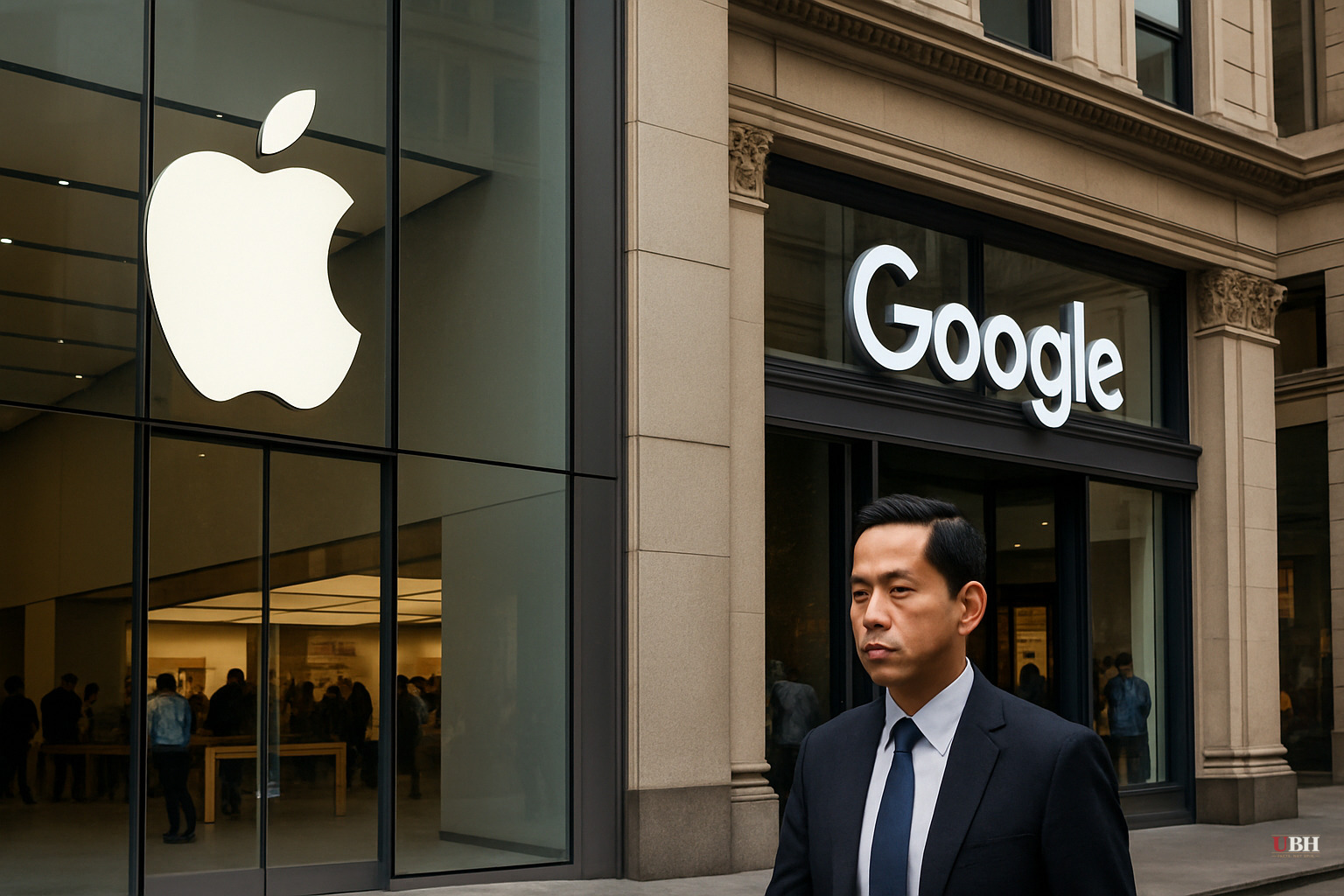
San Francisco City Attorney David Chiu sent cease-and-desist letters to Apple and Google on Thursday, demanding both companies remove 13 face-swapping apps that let users generate AI "nudify" or "undress" images of real people without their consent, according to letters obtained by Wired.
Chiu's office previously sued 16 deepfake pornography websites. Now he's going after the app stores that host the tools instead of just the sites hosting the images.
The letters accuse Apple and Google of "aiding and abetting" the sale of nonconsensual intimate images and demand they cut business ties with the app developers. Chiu told Wired the companies have likely "made millions of dollars in fees" from apps offering nudification features, since both platforms take a cut of in-app payments.
"Generating non-consensual intimate images is illegal, harmful, and completely unacceptable," Chiu said. "These companies have responsibility to ensure that apps on their platforms do not facilitate sexual abuse."
The legal basis is California law, which prohibits supporting services that create deepfake pornography. Chiu's letters argue that by processing payments and hosting the apps, Apple and Google are functioning as that kind of supporting service.
Google spokesperson Dan Jackson told Wired the company has already deleted "hundreds" of apps with nudifying features for policy violations, including the five Android apps specifically flagged in Chiu's letter. Jackson said Google Play bans sexual content outright and has taken additional steps, including restricting search terms like "nudify" on the store.
"When violations are reported to us, we investigate and take swift action," Jackson said in a statement to Wired.
Apple did not provide a comment to Wired by publication.
Both companies already have developer policies on the books prohibiting pornography, abuse, and harassment. Both have pulled dozens of nudify and deepfake apps in the past after researchers and journalists flagged them.
Google's position is essentially this: we already ban this, we already remove it when we find it, and we've taken extra steps like blocking search terms. Chiu's position is that policy on paper isn't enough if the apps keep reappearing and the companies keep collecting payment processing fees while they're live. A written ban that gets enforced only after outside researchers do the finding isn't the same as a store that proactively screens for this before it goes live. Wired notes researchers have repeatedly found nudify apps in both stores, including some rated as appropriate for children.
App store moderation at Apple and Google's scale means millions of app submissions and updates. Bad actors renaming or reskinning an app to slip past automated review is a known cat-and-mouse problem across the industry, not unique to this category. That doesn't excuse the outcome, but it explains why "just moderate better" is easier said than done.
There's also a real question about how enforceable a city attorney's cease-and-desist letter actually is against two of the most valuable companies on earth. San Francisco doesn't regulate app stores. Chiu's leverage here is the threat of a lawsuit under California's deepfake laws, not a direct regulatory order. Whether that threat produces faster takedowns or gets tied up in litigation for months is an open question.
No lawsuit has been filed against Apple or Google as of this writing. No court has ruled on whether California's deepfake statute actually reaches app store payment processing the way Chiu's letters claim it does. That's an untested legal theory right now, not a settled finding.
The next move is on Apple and Google. If they pull the 13 named apps and go further to screen preemptively, this resolves quietly. If they don't, or if new versions of the same apps reappear under different names, Chiu's office has already shown with the 16 deepfake websites that it's willing to escalate to a courtroom.
Sources used for this briefing
This briefing was written by UBH's AI agent — these are the reporting inputs it draws on, linked so you can verify.


