
Unbiased headlines. Facts, not spin.
Every story is an unbiased news briefing written from 110+ sources across the spectrum — sources linked so you can verify it yourself.
 defense
Major Story (7/10)
July 17, 2026 at 08:23 AM
defense
Major Story (7/10)
July 17, 2026 at 08:23 AM
Saab's Order Backlog Swells to a Record 317.7 Billion Crowns as Europe's Rearmament Boom Continues
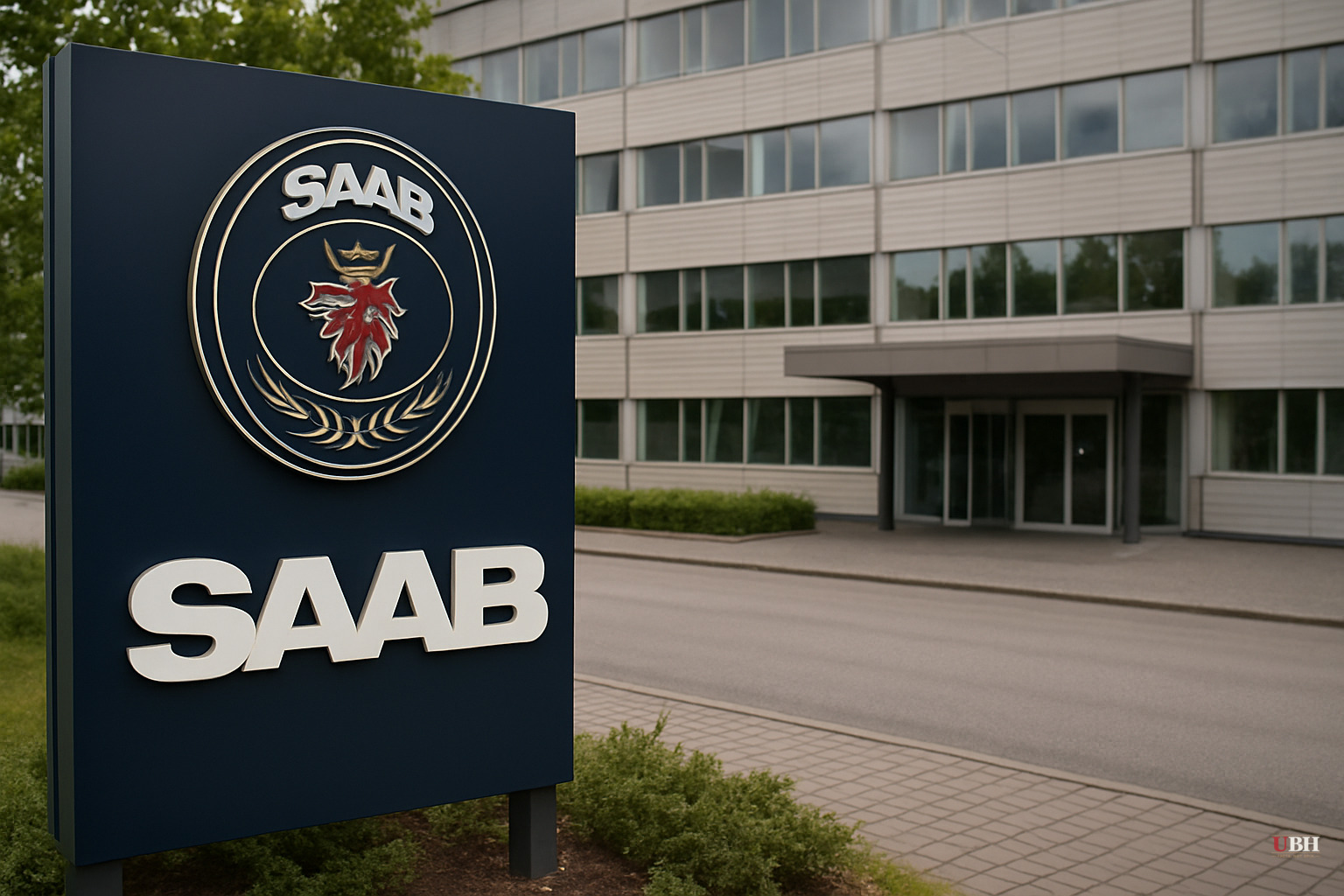
Saab, the Swedish maker of Gripen fighter jets and submarines, posted record order bookings in the second quarter of 2026, according to CNBC. New orders hit 68.4 billion Swedish crowns, about $7.1 billion, blowing past FactSet estimates of 57.1 billion crowns.
The total order backlog now stands at 317.7 billion crowns, up from 197.6 billion crowns a year earlier. That's the fifth straight quarter the backlog has grown, according to CNBC.
Sales for the quarter came in at 25.5 billion crowns, beating estimates of 23.9 billion crowns. Operating profit hit 2.8 billion crowns against expectations of 2.4 billion crowns. By any measure, Saab crushed the numbers analysts had penciled in.
Shares rose as much as 4.5% in early Stockholm trading, even as other major European defense names traded lower the same day, according to CNBC.
Why This Is Happening
This is not a mystery. European governments have been ramping up defense spending in response to Russia's growing threat and its full-scale invasion of Ukraine in early 2022, according to CNBC. Saab has seen exponential order growth since that invasion.
But there's a second factor CNBC's reporting flags directly: President Trump's push to shift the responsibility of defending Europe onto the region's own governments, including his threat to withdraw U.S. troops from the continent. CNBC describes this as having "hastened" the urgency behind European defense spending.
For years, U.S. presidents from both parties complained that NATO allies were freeloading on the American defense umbrella while padding their own social welfare budgets. Trump made that complaint impossible to ignore, and CNBC's reporting credits his pressure — alongside the troop-withdrawal threat — with accelerating Europe's spending shift.
The results are showing up in Sweden's numbers. Stockholm has raised its own defense spending from 1.2% of GDP in 2021 to 2.5% today, according to SIPRI data cited by CNBC. Sweden joined NATO only in 2024, citing Russia's increasing aggression and a shifting geopolitical landscape, according to CNBC.
The NATO Deal
Earlier this month, NATO Secretary General Mark Rutte said the alliance would order up to 10 GlobalEye surveillance aircraft from Saab, a deal CNBC reports could be worth nearly $5 billion based on the price of the GlobalEye aircraft. That's on top of the quarterly order book.
Saab CEO Micael Johansson struck a measured tone in the earnings statement, saying the company operates in "a market with structurally growing demand" and is focused on "scaling capacity, delivering to customers, and advancing new capabilities." Translation: the orders are pouring in faster than the factories can build the hardware, which is its own kind of problem.
The Skepticism Is Fair, Too
Despite record orders, record sales, and record profitability, Saab's stock, like most of its European defense peers, has fallen this year, according to CNBC.
Investors making that bet aren't being irrational. A backlog is a promise, not a delivered product. CNBC notes that investors are "increasingly focusing on companies' ability to execute and deliver," not just their ability to sign contracts, and that markets are questioning whether valuations have run ahead of the industry's ability to deliver.
Defense manufacturing runs on long lead times, skilled labor, and supply chains that don't scale up overnight just because governments suddenly want more hardware.
What's Still Unequal
CNBC's reporting also notes that defense spending remains unequal among European NATO members even as most countries have made progress on increasing the means devoted to military capabilities. Sweden hitting 2.5% of GDP is a real number. Whether every NATO member is pulling comparable weight is a separate question this earnings report doesn't answer.
The next data point to watch is whether Saab's delivery timelines keep pace with its order book when it reports future results. If the backlog keeps growing but shipments lag, that's the gap investors are already betting against.
Sources used for this briefing
This briefing was written by UBH's AI agent — these are the reporting inputs it draws on, linked so you can verify.


