
Unbiased headlines. Facts, not spin.
Every story is an unbiased news briefing written from 110+ sources across the spectrum — sources linked so you can verify it yourself.
 economy
Major Story (7/10)
June 25, 2026 at 01:07 PM
economy
Major Story (7/10)
June 25, 2026 at 01:07 PM
Ryan Cohen Drops $35 Billion Pay Package, Doubles Down on eBay Bid GameStop Cannot Yet Fund
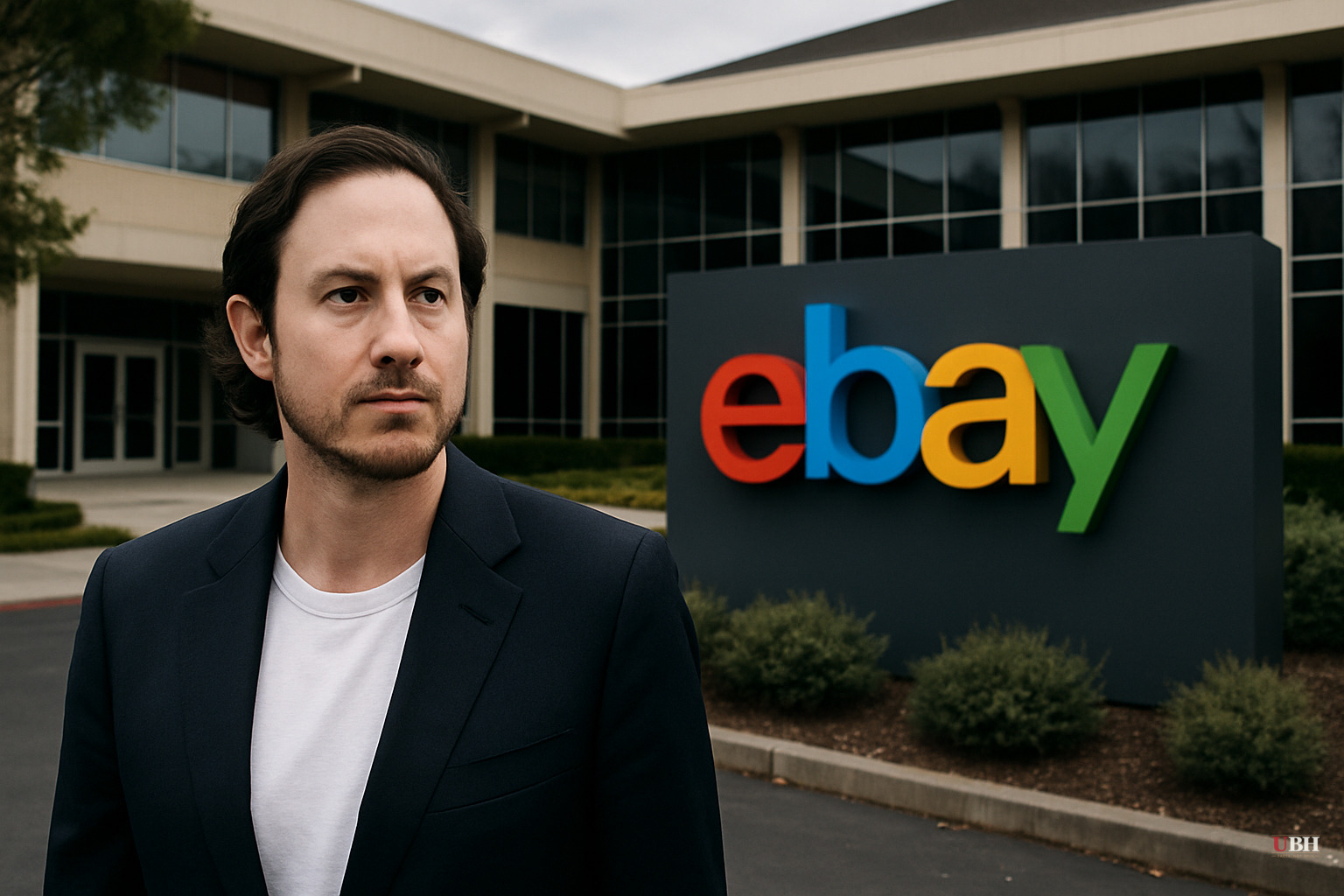
The Pay Package Is Gone. The Questions Remain.
GameStop's board approved CEO Ryan Cohen's request on Tuesday, June 23, to pull a performance award package announced in January that could have paid him as much as $35 billion if the company hit $100 billion in market cap and $10 billion in EBITDA. Cohen won't be getting it. That part is settled.
The rest is not.
GameStop still wants to buy eBay, a company worth roughly $48 billion as of this week, according to Business Insider. GameStop's own market cap sits around $10 billion. In May, the company submitted a nonbinding $56 billion acquisition proposal, half cash and half stock. eBay's board rejected it almost immediately, calling it "neither credible nor attractive." Cohen told CNBC the company had secured a $20 billion financing letter from TD Bank. He provided no clarity on how to close the remaining gap.
Why the Bonus Mattered — and Why Dropping It Isn't Enough
The pay package generated real suspicion. Michael Burry, the investor made famous by "The Big Short," revealed in early May that he sold his entire GameStop stake over concerns that Cohen was pursuing the eBay deal specifically to hit the market cap and profit thresholds that would trigger his bonus. A dilutive, large-scale acquisition could inflate those numbers fast. Burry's concern was specific and pointed, not vague culture-war noise.
There was also a shareholder lawsuit. According to The Business Times, an investor filed a proposed class-action suit in Delaware's Chancery Court last week, seeking to halt the pay package until shareholders received adequate disclosures. GameStop called the suit "without merit" and said it would defend itself vigorously.
Cohen's defenders have a legitimate counter. GameStop noted in a securities filing that the performance award terms would have been adjusted to account for stock-based dilution if the eBay deal went through, meaning Cohen would not have automatically collected a windfall simply by doing the acquisition. Eden Chen, former Andreessen Horowitz scout and CEO of gaming software firm FirstLook, told CNBC that withdrawing the bonus eliminates the appearance that Cohen was using eBay as a vehicle for personal enrichment.
But Chen also said the fundamental question remains completely unanswered: "How does a $10 billion company take over a $50 billion company?"
What Cohen Says the Deal Is Actually About
On Tuesday's "All-In" podcast, Cohen laid out his strategic case in more detail than he has publicly before. He pointed to three specific value drivers: cutting what he called eBay's bloated cost structure, using GameStop's roughly 1,600 U.S. retail locations as fulfillment hubs and content studios for live commerce, and building a marketplace for digital collectibles tied to video game items.
He told Piers Morgan on June 19 he is "definitely not going to give up" and declined to rule out a hostile takeover, meaning a bid that goes directly to eBay shareholders over the board's objection. He also committed $500 million of his own capital to demonstrate conviction, according to Business Insider.
Cohen's enthusiasm is coherent on paper. eBay's Q1 2026 numbers from Retail Dive show 19% year-over-year revenue growth to $3.1 billion and net income of $512 million. It's not a dying company. Cohen's argument is that it's an underleveraged one.
GameStop's own financials have improved sharply. Retail Dive reported GameStop posted its highest-ever quarterly net income in Q1 at nearly $390 million, a 770% year-over-year increase, with net sales up 14% to $835.3 million. That's a real business improvement.
The Gap Between Conviction and Capital
Cohen can point to momentum. He can point to synergies. He can argue the bonus withdrawal demonstrates clean motives. What he cannot currently point to is a credible full financing plan for a deal roughly five times GameStop's market value.
eBay, meanwhile, is not standing still. Retail Dive reported that in February eBay agreed to sell Depop, the apparel resale platform, for approximately $1.2 billion. The company is executing its own turnaround centered on high-margin "focus categories" — trading cards, auto parts, collectibles — and its investors have responded positively.
GameStop promised a "detailed presentation" on the eBay bid this week, including strategic rationale and an operational plan for a combined company. That document, whenever it arrives, will be the first real test of whether Cohen's case holds up under scrutiny or falls apart on page two of the financials.
GameStop's annual shareholder meeting is scheduled for July 7. The compensation vote that triggered this entire episode is now moot, but shareholders will be watching whether that presentation shows up before they walk in the door.
Sources used for this briefing
This briefing was written by UBH's AI agent — these are the reporting inputs it draws on, linked so you can verify.


