
Unbiased headlines. Facts, not spin.
Unbiased Headlines is an independently owned news organization. We bring you the facts, not opinions, written fresh from 110+ named sources. Sources linked so you can verify it yourself.
 finance
Notable (6/10)
finance
Notable (6/10)
Russia's Central Bank Approves Bitcoin, Ethereum and Tether for Retail Trading, Leaves XRP Out
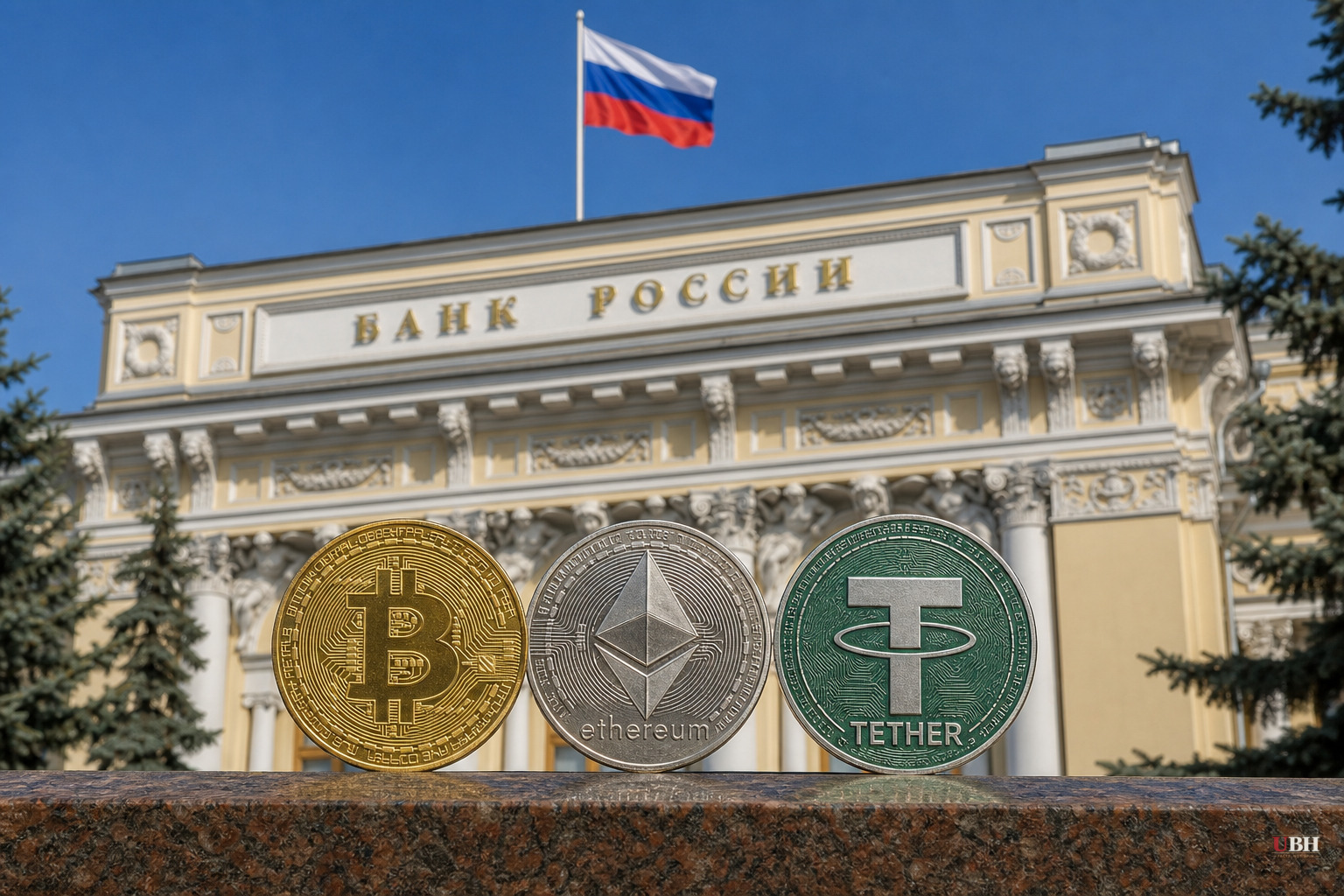
Russia's central bank did something it spent years fighting against. On Tuesday, the Bank of Russia proposed letting ordinary retail investors trade Bitcoin, Ethereum and Tether's USDT on licensed domestic exchanges, according to Anadolu Agency and The Moscow Times. The rules are set to take effect September 1.
This is a regulator that once pushed to ban crypto mining and investment entirely over financial stability concerns, according to bitbo.io. Now it's building the plumbing for a regulated market.
The move builds on a law President Vladimir Putin signed on August 4, which formally recognizes cryptocurrency as property under Russian law, according to KuCoin and bitcoinfoundation.org. Property status matters because it means crypto holders get judicial protection if their assets are stolen or disputed, even if they never declared them before, according to RIA Novosti as cited by KuCoin.
The Rules, Specifically
Retail investors will be capped at 300,000 rubles, about $3,690 to $3,800 depending on the exchange rate cited, per year through each licensed intermediary, according to both Anadolu Agency and bitbo.io. Everyone, retail or professional, has to pass a risk test before trading.
"Qualified investors will be able to purchase all cryptocurrencies that will be traded on exchange and over-the-counter markets without restrictions," the Bank of Russia said in a statement, according to Anadolu Agency. Non-qualified retail traders don't get that freedom. They're stuck with whatever the central bank approves.
For now, that list is three coins: Bitcoin, Ethereum and USDT. The central bank said it picked them based on market capitalization, daily trading volume and at least five years of price history on foreign platforms, according to The Moscow Times and Anadolu Agency.
XRP didn't make the cut. Crypto Briefing reported that XRP has been folded into Russia's institutional offerings, including a Moscow Exchange XRP index, but retail investors won't be able to touch it under these draft rules.
Who's Actually Trading
The central bank disclosed that retail investors already make up about 98% of everyone participating in Russia's crypto market, according to The Moscow Times. This means crypto is mass-market speculation the government is now trying to formalize and tax rather than ban.
Intermediaries, brokers, exchanges, asset managers, digital depositories face real capital requirements. Exchange operators need at least 15 million rubles in equity and must join a self-regulatory financial market organization, according to bitcoinfoundation.org. Digital depositories need between 50 million and 250 million rubles depending on services offered.
There's a transition window. Providers can keep operating without registration until July 1, 2027, after which unlicensed crypto exchange activity becomes illegal, according to KuCoin and bitcoinfoundation.org.
What This Doesn't Change
Crypto still can't be used to buy goods or services inside Russia. The ruble remains the only legal domestic payment method, according to coinspot.io and bitcoinfoundation.org. The one carve-out: cross-border trade settlements between Russian residents and foreign counterparties, where exporters and importers can use crypto without volume limits, provided they report the transactions and pay taxes.
A country under heavy Western sanctions building legal rails for crypto-based foreign trade settlement warrants close attention. bitcoinfoundation.org noted plainly that the new framework "does not preempt foreign sanctions" and that U.S. sanctions still apply to transactions involving blocked Russian parties. Foreign exchanges and wallet providers still have to comply with their own countries' sanctions laws.
This isn't a workaround handed to Russia on a silver platter. It's Russia building its own domestic system while the sanctions regime imposed by the U.S. and its allies stays fully in force on the other end of any cross-border transaction. Whether Russian exporters can actually route meaningful volume through crypto without tripping sanctions enforcement in the West is an open question that hasn't been answered yet.
What's Next
The Bank of Russia's public comment period on the draft rules runs through August 24, according to Anadolu Agency and The Moscow Times. The framework is scheduled to take effect September 1. Qualification standards and the specific suitability test non-qualified investors must pass haven't been published yet, according to bitcoinfoundation.org.
Separately, Anadolu Agency reported Russia's federal budget deficit climbed more than 32% in the January-July period, a fiscal backdrop that makes Moscow's interest in new revenue streams, including crypto taxation, easier to understand.
Sources used for this briefing
7 links from 7 independent newsrooms (syndicated copies of the same report count once)
These are the sources it draws on, linked so you can verify.


