
Unbiased headlines. Facts, not spin.
Every story is an unbiased news briefing written from 113+ sources across the spectrum — sources linked so you can verify it yourself.
 health
Notable (6/10)
October 5, 2026 at 10:01 PM
health
Notable (6/10)
October 5, 2026 at 10:01 PM
Russian Plague Institute Researcher Dies of Mystery Pneumonia, Nearly 200 Placed Under Medical Watch
Darya Shipilova, 28, worked as a researcher at the Irkutsk Anti-Plague Research Institute of Siberia and the Far East, a facility that studies dangerous pathogens including Yersinia pestis, the bacterium behind plague. She was admitted to a hospital in Shelekhov, a town near Irkutsk, on September 29 with severe pneumonia, according to the Associated Press. She was put on a ventilator and died between October 1 and October 2.
Russia's federal public health watchdog, Rospotrebnadzor, has called her illness "pneumonia of unknown etiology" and said testing found no microorganisms linked to her professional work in her body, according to NKTV and Breitbart. That is the official line, and it has not changed.
But Irkutsk Governor Igor Kobzev described the case publicly as a suspected "particularly dangerous infection," according to the Associated Press, a term Russian health bureaucracy reserves for diseases like plague, cholera and anthrax. That differs notably from "unknown pneumonia," and neither Rospotrebnadzor nor Kobzev's office has reconciled the two statements.
What's confirmed versus what's circulating
Unofficial Russian outlets and Telegram channels, including the exiled regional outlet People of Baikal and the pro-Kremlin channel REN TV, have reported that Shipilova told medical staff she accidentally broke a test tube containing live bacteria while collecting samples, according to reporting cited by offgridsurvival and the Moscow Times. Other local reports said she had recently traveled near the Mongolian border in Buryatia; a separate, conflicting report claimed she had traveled to Thailand, according to Breitbart. None of these details have been officially confirmed by Russian authorities.
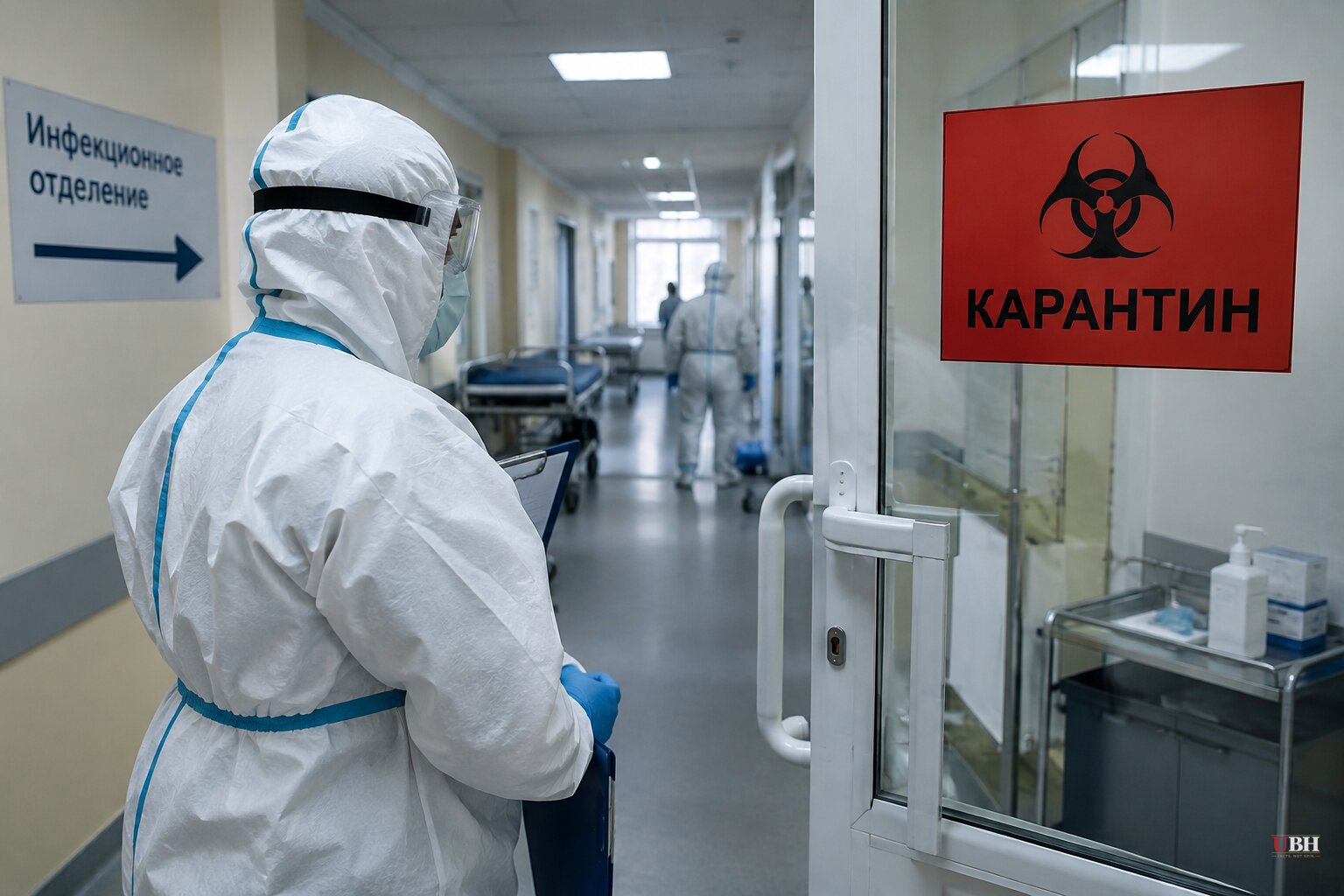
What is better documented: nearly 200 people who had contact with Shipilova have been placed under medical observation, and at least one hospital in Shelekhov was quarantined and stopped admitting or discharging patients, according to the Associated Press. Breitbart and the Daily Mail, as cited by NKTV, reported that as many as three hospitals and a children's clinic in the region were placed under similar restrictions, and that roughly 60 employees of the Anti-Plague Institute itself remained confined inside the facility, per reporting from the East2West news agency relayed by Fox News. Public events in Irkutsk have been canceled. Those specific figures have not been independently verified by Western wire services.
As of today, Russian officials say no new infections have been identified among the institute's staff or among Shipilova's traced contacts, according to the World Health Organization.
The transparency question
Critics, including commentary from offgridsurvival, have drawn a direct comparison to China's early handling of the COVID-19 outbreak in Wuhan, where officials spent weeks calling it a mystery illness before the world understood what it actually was. Russia quarantined multiple hospitals, confined dozens of lab workers, and had its own regional governor use language reserved for dangerous pathogens, yet the national health agency has stuck to "unknown origin" language for more than a week. This disparity between words and actions is the source of skepticism.
Rospotrebnadzor's position is that extensive testing has not detected plague-linked pathogens in Shipilova's body. The World Health Organization said Monday it is in direct contact with Russian health authorities to verify what happened and what testing is underway. The WHO has not issued a health alert and said "based on unofficial information available, the public health risk to the general population appears to be low." Both positions are on the record. Neither has been independently proven or disproven by outside investigators, and no international health body has contradicted Russia's official cause-of-death determination because none has been given yet.
Washington is watching, not panicking
Secretary of State Marco Rubio, traveling this week to Iceland, Greece and Portugal, told reporters Monday the U.S. is "watching and monitoring it closely," adding, "I don't think it's cause for alarm, but it is cause for focus and a cause just to keep an eye on it." The State Department said in an October 4 statement that it is coordinating with the CDC and urged Moscow to "share accurate information quickly and openly."
Pneumonic plague, the form suspected here, is the only variant of Yersinia pestis infection that spreads person-to-person through respiratory droplets, according to CNN. It is also nearly always fatal without antibiotics, but curable with common drugs like ciprofloxacin or gentamicin if treatment starts early. The last documented person-to-person transmission of pneumonic plague on U.S. soil was in Los Angeles in 1924, per the CDC's historical record as cited by CNN.
Separately: more frozen fruit pulled from shelves
In unrelated food-safety news, the FDA this past week expanded a recall of frozen organic berries sold at Walmart and Trader Joe's over potential E. coli O145 contamination, according to the agency and Boston 25 News. The affected products include Great Value Organic Triple Berry Blend and Organic Blueberries, plus Trader Joe's Organic Mixed Berry Blend, shipped to stores across 30 states, Puerto Rico and Washington, D.C. Consumers are told not to eat the recalled lots and to return them for a refund.
Whether Russia will release lab-confirmed test results identifying what killed Shipilova remains unanswered, as does whether any of the nearly 200 people under observation develop symptoms in the coming days. Neither has happened as of today.
Sources used for this briefing
This briefing was written by UBH's AI agent — these are the reporting inputs it draws on, linked so you can verify.


