
Unbiased headlines. Facts, not spin.
Every story is an unbiased news briefing written from 110+ sources across the spectrum — sources linked so you can verify it yourself.
 economy
Major Story (7/10)
July 28, 2026 at 05:49 PM
economy
Major Story (7/10)
July 28, 2026 at 05:49 PM
Russia Restricts Truck Deliveries at Three Black Sea Grain Terminals as Drone Attacks Spread
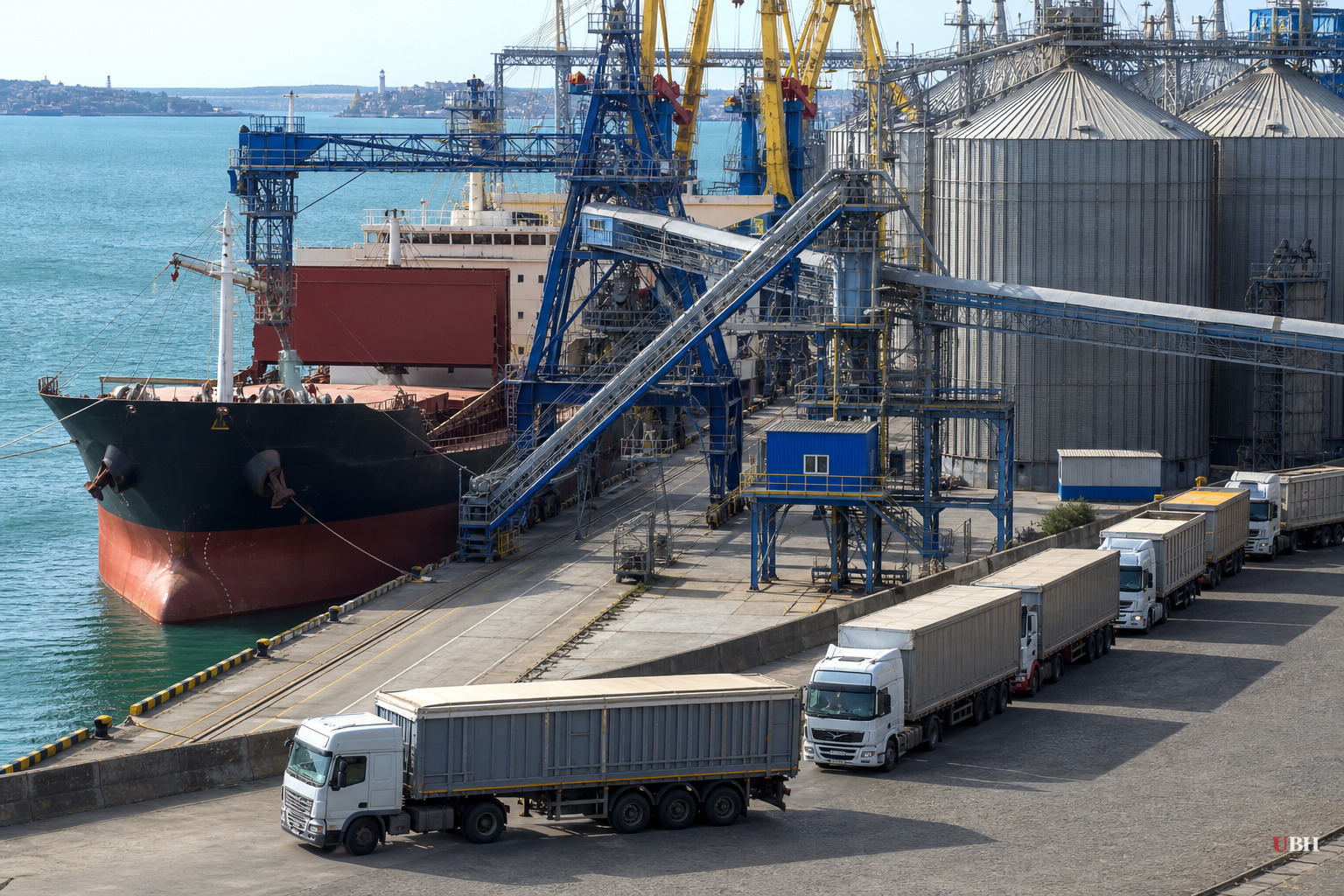
Russia's grain export machine is getting squeezed from multiple directions at once.
Three major Black Sea terminals, NZT and KSK in Novorossiysk and ZTKT in the port of Taman, have restricted grain deliveries by truck, according to five industry sources who spoke to Reuters. Combined, those three terminals can ship more than 20 million tons of grain a year. That represents roughly 40 percent of Russia's total seaborne grain exports of roughly 50 million tons annually.
The squeeze traces back to July 10, when Russia restricted shipping through the Sea of Azov after Ukrainian drones attacked several Russian grain vessels on that route. The Azov route normally handles about a quarter of Russia's grain exports. When Moscow locked that down, authorities rerouted grain from fertile southern regions to Black Sea terminals instead, shifting cargo onto trucks and rail.
That rerouting is now backfiring. Attacks on Black Sea ports have picked up too, and truckers are apparently done volunteering for the risk. "The risks have increased, and there are fewer and fewer people willing to take bold, reckless risks," one industry source told Reuters.
The fallout is already visible on the ground. The port of Kavkaz, used to transfer grain from small Azov vessels onto larger ocean-going ships, closed almost immediately after the Azov restrictions went into effect. Russia also banned nighttime vessel movements in and out of Novorossiysk about a week ago because of drone attacks, according to one source, and that ban is still in force as of this reporting.
Of the two Novoressiysk terminals, NZT and KSK, both can accept grain by rail, but only from southern Russian regions. About a third of what they handle still comes by truck. ZTKT in Taman has no such rail option. It accepts grain only by truck, which makes the trucking slowdown a bigger problem there specifically. These terminals aren't a side business either. They ship to Egypt and Turkey, two of Russia's largest grain customers.
Reuters reported that Demetra and Delo Group, the companies that own the affected terminals, did not respond to requests for comment. That silence leaves the scale of the disruption described entirely by industry sources rather than confirmed by the terminal operators themselves, worth flagging plainly since no company statement corroborates or disputes the account.
Where Russia goes next
Sources told Reuters that Russia is looking to diversify away from the Black Sea and Azov entirely, with Baltic region ports seen as the safest near-term alternative. The Baltic is farther from the front lines and hasn't seen the same pattern of drone strikes.
The Caspian Sea is technically another option, but it comes with its own baggage. Caspian shipments mostly serve Iran, and that route has gotten riskier too, partly because of the broader war in the Middle East and partly because of a Ukrainian attack on an Iranian vessel. Sources said Caspian shipment volumes haven't actually increased since mid-July, meaning it isn't functioning as a real release valve yet.
Russia is a country whose grain export infrastructure is getting hit from three sides: drone strikes on vessels, a self-imposed shipping restriction in the Azov, and now a trucking slowdown into the Black Sea terminals that absorbed the rerouted cargo. Russia is the world's largest wheat exporter. Egypt and Turkey depend heavily on that supply. Any sustained disruption to a 20-million-ton chunk of that export capacity is a food security story for the countries buying that wheat.
What's unresolved is how long this lasts and how much volume actually gets lost versus just rerouted. Reuters' sourcing describes restrictions and closures happening in real time based on industry contacts, not official Russian government confirmation, and neither the Kremlin nor the terminal owners have put a number on the disruption publicly. Whether Baltic ports can actually absorb a meaningful chunk of that 20-million-ton capacity, and how fast, is the next thing to watch.
Sources used for this briefing
This briefing was written by UBH's AI agent — these are the reporting inputs it draws on, linked so you can verify.


