
Unbiased headlines. Facts, not spin.
Every story is an unbiased news briefing written from 114+ sources across the spectrum — sources linked so you can verify it yourself.
 defense
Major Story (8/10)
October 12, 2026 at 06:46 PM
defense
Major Story (8/10)
October 12, 2026 at 06:46 PM
Russia Hits Six Ukrainian Energy Sites After Trump's Ceasefire Claim; Lavrov Says Kyiv Doesn't Deserve a 'Respite'
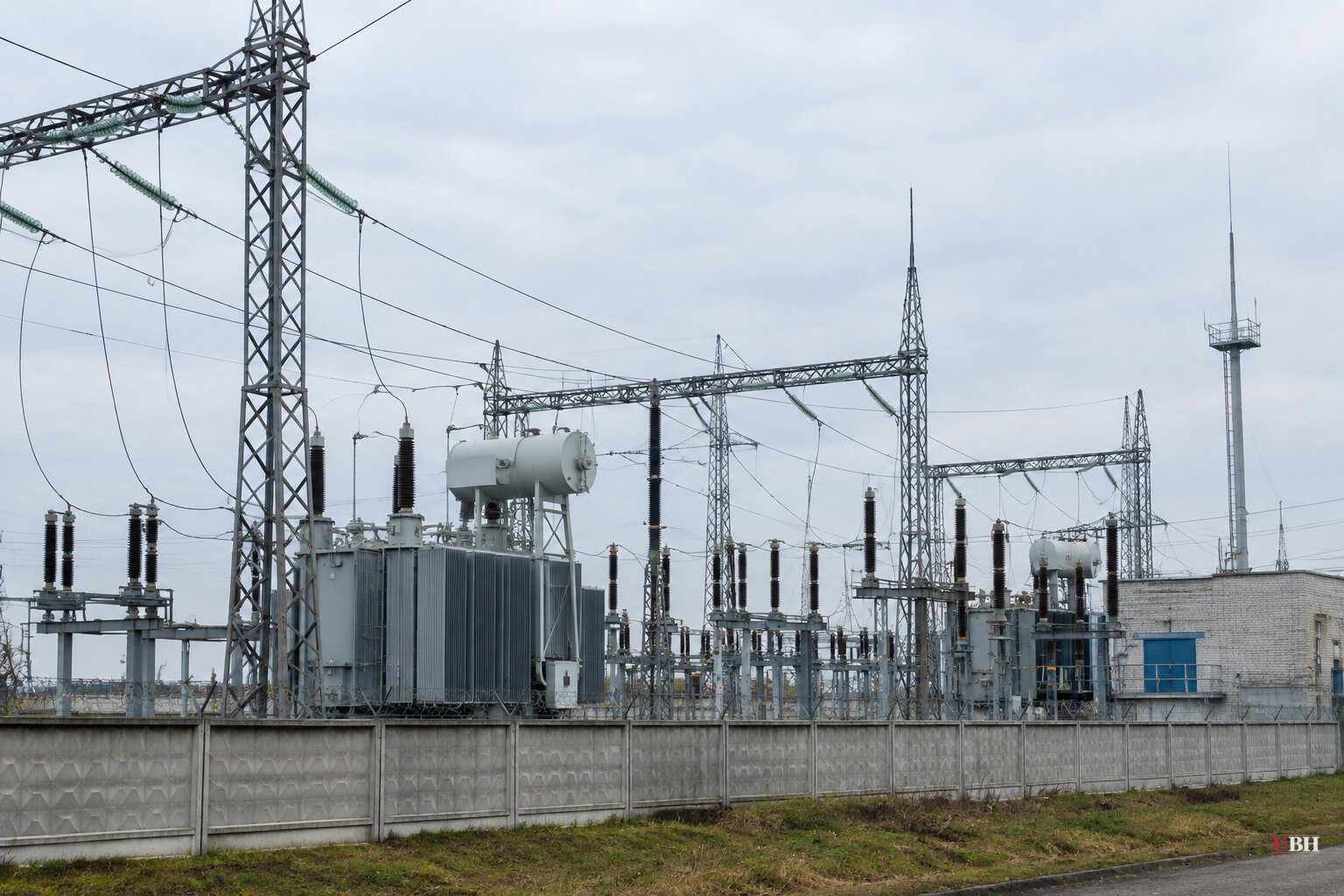
Since Trump announced an "energy ceasefire" on Truth Social on Sunday, Oct. 11, Russia has struck six Ukrainian energy facilities, according to Ukrainian President Volodymyr Zelenskyy. Moscow has still not said it agreed to anything.
Zelenskyy said 33 people were injured in the strikes on energy sites across the country. He wrote on X that it was "increasingly clear" Russia is unwilling to accept an energy ceasefire. "This is what happens when Russia sees the prospect of higher revenues for its war machine," he said.
What the strikes hit
Ukraine's state news agency Ukrinform reported blackouts in the city of Izyum after a Russian strike destroyed power grids. Energy and railway infrastructure in western Ukraine was also targeted overnight.
Ukraine's state grid operator Ukrenergo reported new power cuts in Kharkiv, Donetsk and Zaporizhzhia from damaged equipment. It said electricity rationing has been introduced in parts of the country to avoid overloading what is left.
Monday evening, Kyiv Mayor Vitali Klitschko said on Telegram that a drone hit a 25-story residential building in the Darnytskyi district. One person was killed and 11 were injured, he said. Cars in the courtyard caught fire.
Zelenskyy told Fox News that Ukraine did not attack while Russia hit "our gas stations, energy infrastructure, and other facilities." He called it "Putin's answer to President Trump."
Moscow's response
Kremlin spokesman Dmitry Peskov would not say whether Russia had agreed to a ceasefire. He said only that "contacts are ongoing."
Foreign Minister Sergei Lavrov was more direct. He said Ukraine does not deserve the "respite" a ceasefire would bring.
The Kremlin also rejected Zelenskyy's separate idea of a 60-day ceasefire that would allow Ukraine to hold presidential elections. Moscow has long said the energy installations it hits are legitimate targets because they support Ukraine's military operation.
Kyiv's position
Speaking Monday at the Warsaw Security Forum, Zelenskyy said Ukraine learned of the deal from the media. "We support it, but I have not heard approval of this proposal from the Russian side," he said.
He said Kyiv will honor a reciprocal halt. "We agree if they agree," he said. He offered to sign formal guarantees if Washington thinks they are needed, but said the U.S. must secure Moscow's compliance.
Zelenskyy also said Ukraine would stop striking Russian refineries if Russia stops hitting Ukraine's energy system. "If Russia wants us to stop our long-range strikes against its oil refineries and oil exports, then Russia must stop its strikes against our energy system and critical infrastructure," he wrote. "This is only fair." Kyiv describes its deep strikes as an effort to "reduce Russia's ability to finance the war."
The diesel backdrop
The ceasefire post followed a week of friction between Washington and Kyiv. On Friday, Trump announced a deal with Putin to buy 300,000 tons of Russian diesel, aimed at lowering fuel prices ahead of November's midterms. The Treasury then issued a six-month license easing sanctions on Russian diesel already loaded on tankers, allowing deliveries until April 2027.
On Saturday, Trump said Zelenskyy "better damn well stop" attacking Russian refineries and blamed him for high U.S. diesel prices. He also said it was time for Ukraine to get a new president.
Zelenskyy called the diesel deal a gift to Putin. "Russia will 'repay' the diesel with further terror and perfidy," he wrote. A bipartisan group of senators has called on Trump to reverse course on the plan.
A pattern with no published terms
Trump's Sunday post gave no details beyond saying the truce took effect immediately and warning, "Do not break it!" No terms, monitoring mechanism or start time has been published. Ukraine's presidential office confirmed the Kharkiv power plant strike came after the post.
This is not the first time. On Sept. 14, Trump said on social media that both countries had agreed "not to hit" each other's energy infrastructure. Zelenskyy said then that Ukraine would comply if Russia did. Nothing came of it.
BBC Verify's analysis of Ukrainian and Russian strikes found both sides have stepped up attacks ahead of winter. Ukrainian officials call Russia's campaign against power, heat and water "weaponizing winter."
Peskov's "contacts are ongoing" is the only Russian signal so far. Whether the White House will act on Zelenskyy's request to make Moscow comply is unanswered, and so is whether Kyiv's refinery strikes continue in the meantime.
Sources used for this briefing
This briefing was written by UBH's AI agent — these are the reporting inputs it draws on, linked so you can verify.


