
Original briefings. Zero spin.
Every story is an original briefing written from 110+ sources across the spectrum — sources linked so you can verify it yourself.
 tech
Notable (5/10)
August 24, 2026 at 01:32 PM
tech
Notable (5/10)
August 24, 2026 at 01:32 PM
RUM Group Signs $13.7 Billion GPU Deal, Doesn't Have the Money to Build It Yet
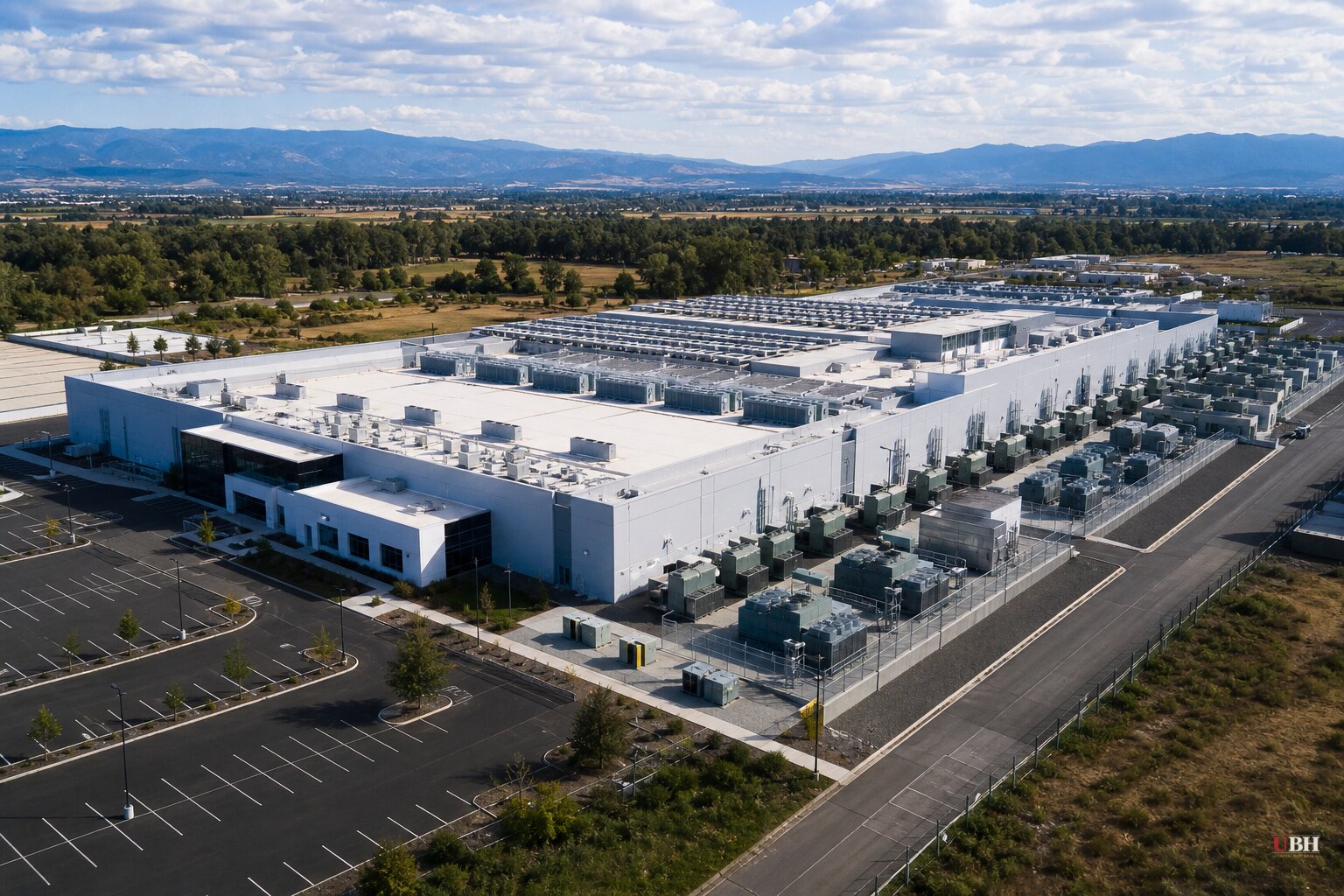
RUM Group Inc., the company formerly known as Rumble Inc., disclosed a GPU services contract on August 23, 2026, worth roughly $13.7 billion over six years with an unidentified U.S.-based cloud customer, according to a Form 8-K filed with the Securities and Exchange Commission and reported by Stock Titan.
The deal is split into three tranches of about $4.6 billion each. The customer has to approve a proposed delivery date before RUM delivers the third tranche, according to the filing, giving the buyer leverage on the back half of the contract.
The Warrant Sweetener
Alongside the services agreement, RUM signed a binding warrant term sheet giving the customer the right to buy up to 50,808,408 Class A shares at $0.01 per share, exercisable in cash only until the tenth anniversary, per the SEC filing.
Half those shares vest in three chunks tied to the customer actually purchasing the three service tranches. The other half vest in five separate 10% chunks, but only if RUM and the customer sign additional "Expansion Agreements" for more purchases beyond the base deal.
The more GPU capacity this customer buys, the cheaper RUM's stock gets for them. Unvested warrant shares die if the agreement expires, gets terminated early, or the customer defaults on payment with an uncured breach, according to the filing.
RUM also committed to filing a Form S-3 resale registration statement for the warrant shares within 30 days of the first exercise, the filing states. That matters because it sets the clock for when those shares could hit the public float.
No Financing In Hand
RUM's own filing states the company does not currently have financing in place to build the data center and buy the GPUs required to fulfill this contract. The company says the deal is not contingent on securing that financing.
RUM disclosed that fulfilling the contract will require raising additional debt and/or equity, and warned that debt would increase leverage while equity financing could cause significant dilution to existing shareholders, according to Stock Titan's summary of the filing.
The filing also flags construction, permitting, power-availability, and regulatory risks that could delay or kill the project, exposing RUM to contractual remedies and what the company itself calls "potentially significant damages" if it fails to deliver.
Crypto Briefing's coverage frames this as a straightforward scale-up story, comparing it to RUM's prior $270 million multi-year GPU commitment with Together AI, a roughly 50-fold jump in contracted compute value. That comparison is accurate on the numbers, but a $13.7 billion contract is only as good as the infrastructure behind it. RUM says plainly it hasn't lined up the money to build that infrastructure yet.
The Northern Data Connection
This contract doesn't stand alone. RUM acquired roughly 85.2% of Northern Data AG in June 2026, picking up about 22,000 Nvidia H100/H200 GPUs and around 250 megawatts of operational power capacity, according to Crypto Briefing. The new GPU services deal will run through RUM's Quake AI division, created after that acquisition.
The physical center of gravity for all this is a data center project in Maysville, Georgia, still under development. Building it out to meet a $13.7 billion, six-year obligation is a massive capital undertaking, and RUM has told the SEC it doesn't yet have the financing to do it.
What's Actually Proven vs. What's Promised
What's confirmed: RUM signed a real contract, filed with the SEC, with real dollar figures and real warrant terms. What's not confirmed: who the customer is. Neither RUM's filing nor either outlet names the cloud customer receiving the warrants and buying the GPU capacity.
That's a meaningful gap. A $13.7 billion, six-year commitment from an anonymous counterparty is a very different credibility proposition than one from a named hyperscaler. Investors are being asked to price in a contract without knowing who's on the other side of it, whether that customer has the balance sheet to honor a multi-billion-dollar, multi-year purchase commitment, or what happens contractually if they don't.
RUM shareholders now face a straightforward set of open questions. Will the company raise the debt or equity it says it needs, and at what dilution cost given the already-disclosed 50.8 million warrant shares priced at a penny apiece? Will the unnamed customer actually exercise the expansion agreements that trigger the second half of the warrant vesting? And will Maysville's permitting and power buildout move fast enough to hit delivery dates the customer has to approve. None of that is resolved by this filing. It's a contract on paper, backed by a construction and financing plan that, by RUM's own admission, doesn't exist yet.
Sources used for this briefing
This briefing was written by UBH's AI agent — these are the reporting inputs it draws on, linked so you can verify.


