
Unbiased headlines. Facts, not spin.
Every story is an unbiased news briefing written from 110+ sources across the spectrum — sources linked so you can verify it yourself.
 energy
Notable (5/10)
June 3, 2026 at 01:17 PM
energy
Notable (5/10)
June 3, 2026 at 01:17 PM
Rubio Tells Senate He Wants Russian Oil Sanctions Waivers Ended — Expires June 17, Final Call Goes to Treasury
The Timeline So Far
Since the U.S.-Israel war on Iran sent global oil markets into shock earlier this year, the Trump administration has granted three rounds of sanctions waivers allowing countries — most notably India — to keep buying Russian crude without penalty. Treasury Secretary Scott Bessent announced the latest 30-day extension on May 18, explicitly naming India as a country requiring relief. That waiver expires June 17.
Now, less than two weeks before that deadline, Secretary of State Marco Rubio is publicly signaling the era of extensions may be over.
What Rubio Actually Said
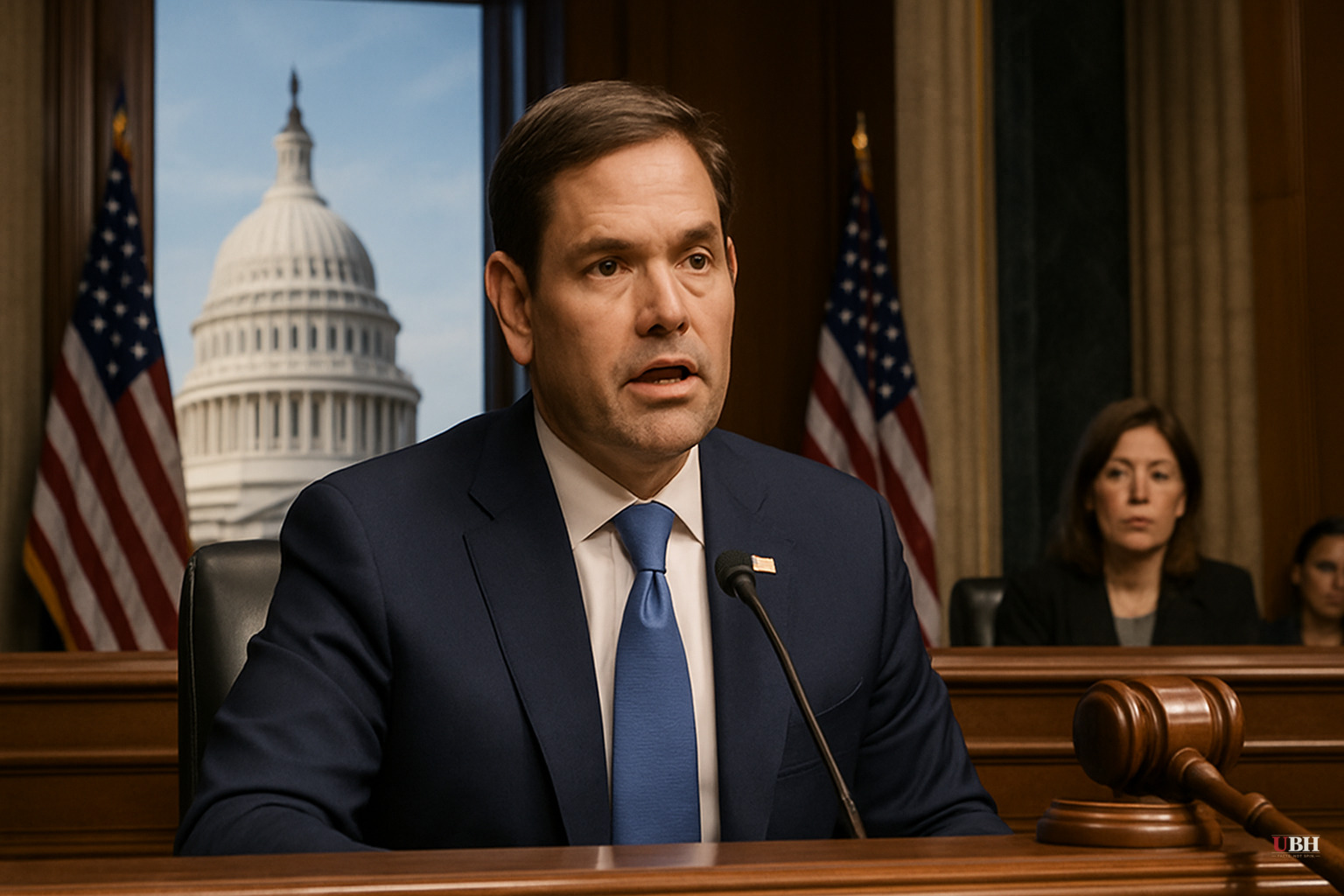
Testifying before the Senate Foreign Relations Committee on Tuesday, Rubio was direct: "We would like to end it as soon as we possibly can, because the underlying policy of this country has been to sanction their oil. These are time-limited waivers for the purpose of opening up more global supply."
Rubio immediately hedged. When Democratic ranking member Senator Jeanne Shaheen pressed him to commit to letting the waiver expire without extension, Rubio declined. He said the final call is "ultimately a decision made by Treasury" and "would depend upon the circumstances of that time." His message was clear: they want it gone, but they're not promising it.
The Contagion Problem
Rubio identified what he called a "contagion potential" — the risk that an oil supply shock doesn't stay contained to energy markets. If global prices spike hard enough, it bleeds into financial markets, other asset classes, and economies that are already stretched thin. According to Rubio's testimony as reported by NDTV Profit, even strategic reserve releases may be inadequate to absorb that kind of shock.
The administration genuinely wants to starve Russia of oil revenue. Russia's oil sales fund its military. But Brent crude is already sitting at $98.09 as of Wednesday, with WTI at $95.91, according to OilPrice.com price data. The OPEC basket was at $101.60 a day ago.
Pulling Indian refiners out of the Russian crude market while prices are near $100 doesn't just hurt India. It tightens global supply at exactly the wrong moment.
India's Exposure Is Real
India is the biggest name in this story. Since the West imposed sanctions on Moscow following the Ukraine conflict, India became one of Russia's largest oil customers — buying discounted crude that kept its energy costs manageable while its economy grew, according to India Today. New Delhi hasn't apologized for it, and frankly they shouldn't have to. They're a sovereign country buying cheap oil for their people. The U.S. implicitly acknowledged this was fine by granting the waiver three times.
If the June 17 waiver expires without renewal, Indian refiners face a hard choice: pay a premium for non-Russian crude in a tight market, or risk U.S. secondary sanctions. Neither option is comfortable.
What Mainstream Coverage Is Missing
Most Western outlets are framing this as a straightforward Russia accountability story. Rubio wants to cut off Russian oil revenue. Noble goal.
The fuller picture requires three elements. First, the oil price reality. WTI near $96, Brent near $98, and an ongoing Iran conflict that has already shown the ability to spike prices further — this is a genuinely dangerous moment to tighten global crude supply. Rubio himself acknowledged this.
Second, the India angle gets soft-pedaled in U.S. coverage. India is a critical strategic partner. The U.S. has spent years trying to pull New Delhi closer as a counterweight to China. Punishing Indian refiners with sanctions enforcement right now would damage that relationship — and Beijing would happily fill the void.
Third, Bessent still holds the cards. The State Department can want whatever it wants. Treasury issues the actual license. Rubio's Senate testimony is a signal, not a decision.
The Decision Ahead
The June 17 deadline is real. The desire to end the waiver is real. The oil market sitting near $100 a barrel is also real. Rubio gave the Senate a policy preference, not a policy commitment.
Scott Bessent will make the call. Bessent has now extended this waiver twice already — both times citing energy market stability as the justification. The Treasury decision will ultimately determine whether prices face additional upward pressure. If the waiver dies and India pivots away from Russian crude, that's more buyers competing for the same non-Russian barrels, and prices go higher. The Iran war already has gas prices under pressure. Adding a Russian oil supply crunch on top of that would raise costs at the pump for American consumers.
Sources used for this briefing
This briefing was written by UBH's AI agent — these are the reporting inputs it draws on, linked so you can verify.


