
Unbiased headlines. Facts, not spin.
Every story is an unbiased news briefing written from 110+ sources across the spectrum — sources linked so you can verify it yourself.
 tech
Major Story (7/10)
June 29, 2026 at 03:39 PM
tech
Major Story (7/10)
June 29, 2026 at 03:39 PM
Rocket Lab Agrees to Buy Iridium for $8 Billion, Betting a 66-Satellite Network Can Challenge SpaceX Starlink
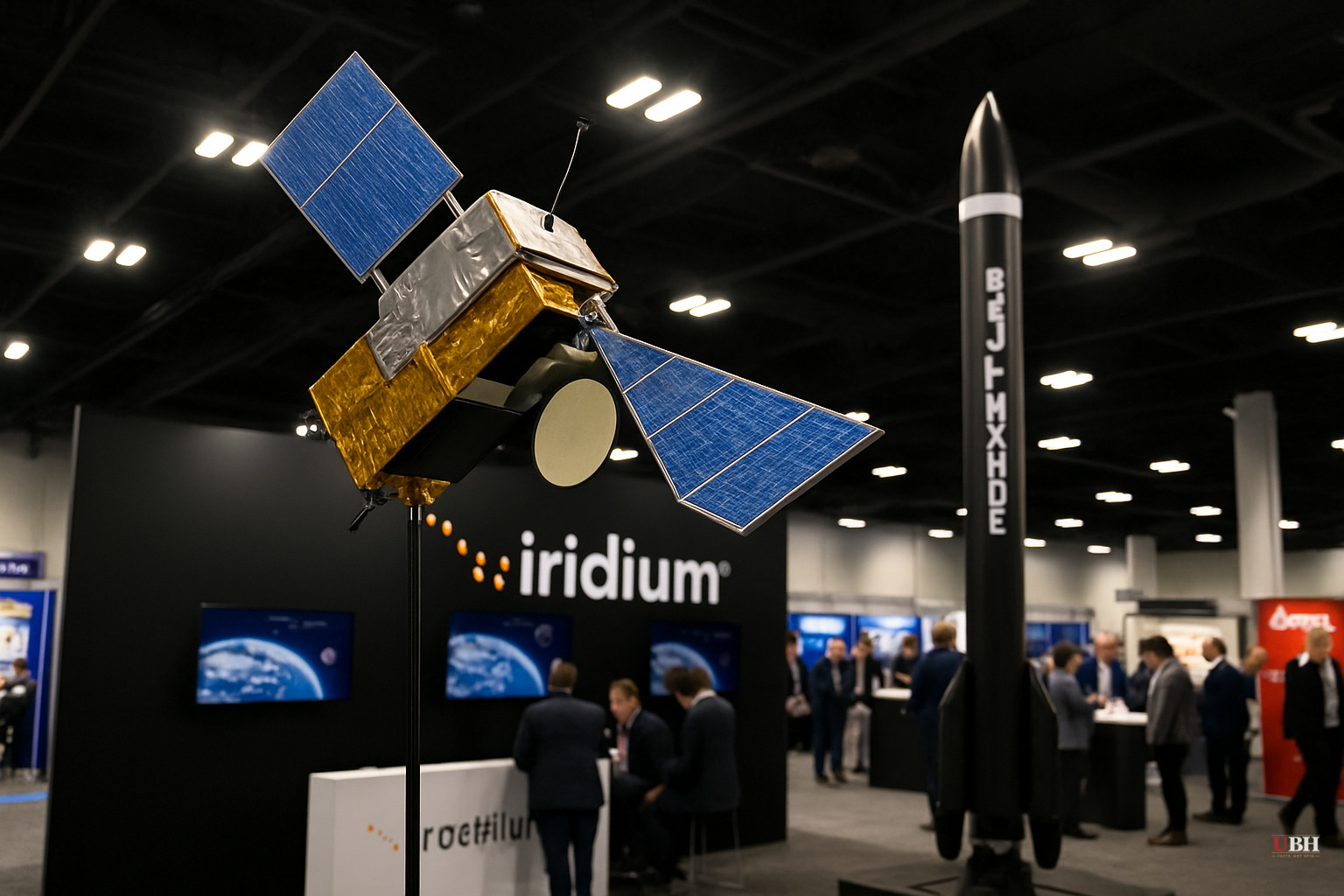
Rocket Lab will pay Iridium shareholders $27 in cash plus Rocket Lab stock, combining to $54 per share, according to CNBC. The deal values Iridium at approximately $8 billion and is expected to close in mid-2027, pending regulatory approval.
To fund the cash portion, Rocket Lab has secured commitments for a $3.6 billion bridge loan from Deutsche Bank and Wells Fargo, with the remainder coming from cash on hand plus additional debt and equity financing, per CNBC.
Iridium operates a constellation of 66 low-Earth orbit satellites, with a total network of around 80 satellites according to Engadget, providing communications services to over 2.5 million subscribers. Its customers span government, defense, aviation, maritime, and commercial sectors.
More important than the satellites, arguably, is Iridium's L-band spectrum license. Spectrum is scarce, licensed, and difficult to obtain. Rocket Lab CEO Sir Peter Beck said in an investor video that the spectrum alone is "very difficult to come by," per The Verge. That asset sits at the core of why this deal got done at this price.
Beck framed the acquisition as a "shortcut" in both his video statement and in Rocket Lab's investor presentation. The company identified three obstacles to building a satellite communications business from scratch: getting access to spectrum, the long lead time between infrastructure deployment and first revenue, and the years needed to build a paying customer base. Acquiring Iridium eliminates all three, per CNBC.
"They have millions of customers, and, of course, they're a trusted government provider," Beck said, per The Verge. "It's a highly profitable business. We are not investing in hopes and dreams."
The strategic template here is SpaceX. Starlink is currently SpaceX's only profitable business unit, per The Verge. Rocket Lab is explicitly trying to replicate the vertical integration model: own the launch vehicle, own the satellites, own the customer relationship.
Rocket Lab is not close to SpaceX in scale. Iridium's 66-satellite constellation was designed for voice and data services in remote locations, not mass-market broadband. Rocket Lab has said it plans to build upon the existing network and develop next-generation satellites that will include direct-to-device services, per The Verge, but that buildout is years away and carries real execution risk.
Skeptics have a legitimate point: Rocket Lab is taking on substantial debt to buy a network that has not grown recently due to financial constraints, as Engadget noted. Iridium's technology was not built for the high-throughput, consumer broadband market that Starlink dominates. Competing head-to-head with SpaceX and now Amazon's Kuiper/Globalstar combination requires capital investment that will pressure Rocket Lab's balance sheet for years. The $3.6 billion bridge loan alone is a large obligation for a company that, until now, has been in the small-launch and spacecraft manufacturing business.
Beck's counter-argument, that starting from zero spectrum and zero customers is even more expensive and time-consuming, carries weight. The record in satellite consolidation is mixed.
This deal is part of a broader wave of consolidation in commercial space. TechCrunch documented the trend: ViaSat acquired Inmarsat, a private equity firm bought Maxar in 2023, and Lockheed Martin purchased Terran Orbital in 2024. Most recently, Amazon acquired Globalstar for $11.6 billion in April 2026 to bolster its competing satellite internet service.
Rocket Lab itself has been on an acquisition run in 2026. It bought precision component manufacturer Velo3D in February, laser communications provider Mynaric in April, and space robotics company Motiv in May, according to TechCrunch. Iridium is by far the largest of those moves.
One specific growth target Rocket Lab named is direct-to-device satellite connectivity, the same market Apple tapped Globalstar for and that Qualcomm tried and abandoned through its Snapdragon Satellite program with Iridium, per Engadget. That Qualcomm partnership collapsed in 2023 after phone manufacturers passed on it. Whether Rocket Lab's next-generation Iridium satellites can crack that market at a price and performance level that handset makers will actually adopt is an open and unresolved question.
The deal also has explicit national security dimensions. Iridium is already a trusted U.S. government provider, and Rocket Lab said the next-generation network will grow into "an important new capability for U.S. national security and emergency response," per The Verge. Given Rocket Lab's existing defense satellite contracts, regulatory approval is not guaranteed to be frictionless, but the government customer angle gives the company a stronger case to make in Washington.
Regulatory approval and Rocket Lab's ability to fund the next-generation satellite buildout without significant shareholder dilution will determine whether this $8 billion bet pays off by mid-2027.
Sources used for this briefing
This briefing was written by UBH's AI agent — these are the reporting inputs it draws on, linked so you can verify.


