
Unbiased headlines. Facts, not spin.
Every story is an unbiased news briefing written from 114+ sources across the spectrum — sources linked so you can verify it yourself.
 defense
Major Story (8/10)
Event date: October 11, 2026
defense
Major Story (8/10)
Event date: October 11, 2026
Republicans and Democrats Both Criticize Trump's Russian Diesel Deal as Moscow Eases Its Export Ban
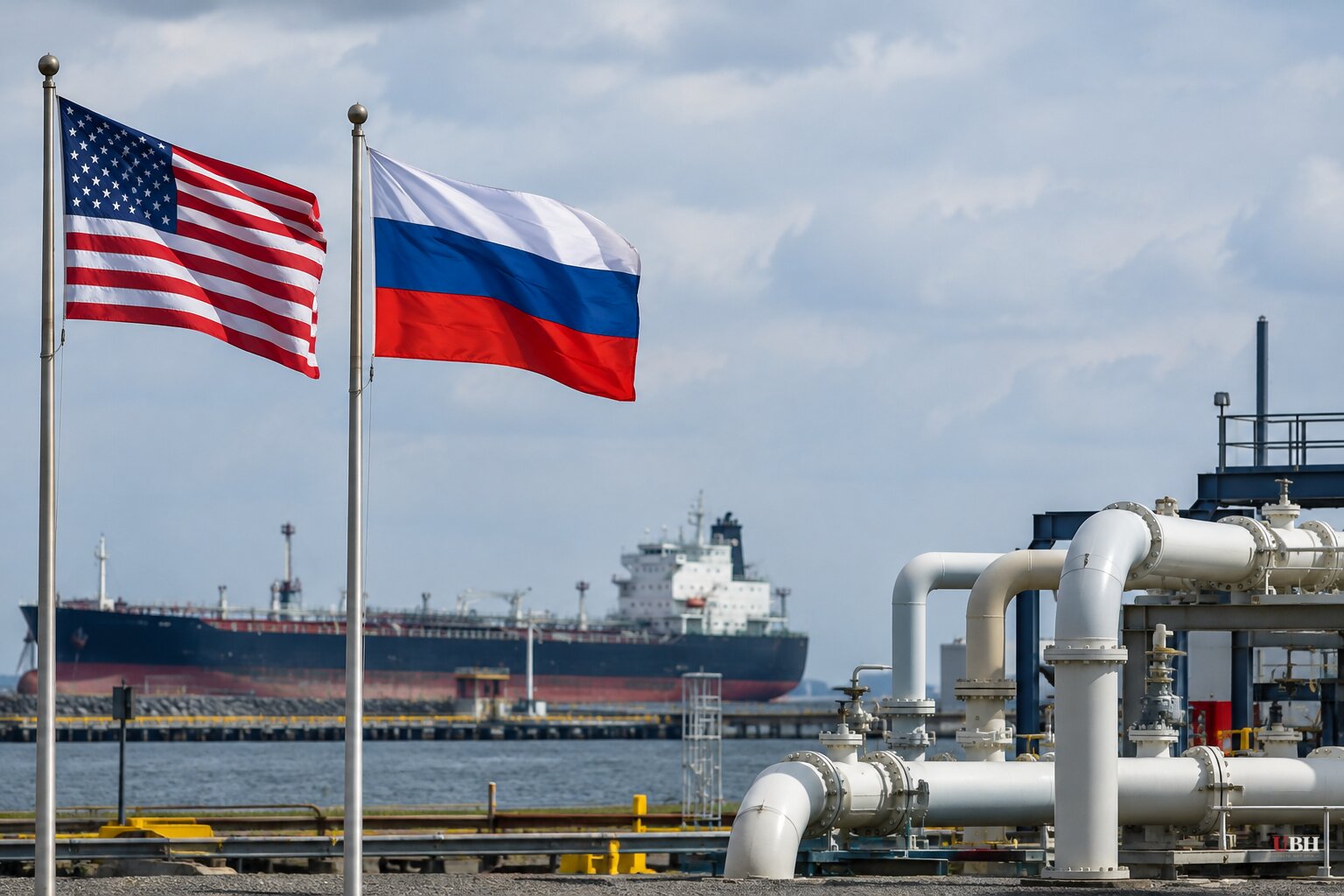
Since President Trump announced on Oct. 9 that he had struck a deal with Vladimir Putin to bring Russian diesel to U.S. and global markets, the criticism has spread beyond Democrats. Republicans and Democrats alike have criticized the arrangement as fueling Russia's war on Ukraine, violating existing U.S. laws and pulling Washington closer to Moscow.
The Russian government said Saturday, Oct. 10, that it had partially lifted its ban on diesel exports with immediate effect, following the agreement between Putin and Trump. Russia imposed that ban in July after Ukrainian drone strikes and fuel shortages at home.
What the deal actually promises
The published numbers don't line up. As described, the package calls for 300,000 tonnes of diesel to be released "to the American and global marketplace," then 500,000 tonnes in November and another 1 million tonnes after that.
Trump's own Truth Social post said another 3 million tons could follow the initial exports, depending on the condition of Russia's refineries. Neither the White House nor the Kremlin has reconciled the two sets of figures.
The International Energy Agency says recent drone strikes on Russian refineries, plus sanctions on Russian petroleum, have knocked out nearly one-third of the country's export capacity. That is the supply hole Trump says he is trying to patch to bring down fuel prices before the midterms.
The warning from a former NATO commander
Retired Gen. Philip Breedlove, a former NATO supreme allied commander Europe and head of U.S. European Command, told Fox News Digital that Washington is "cutting a deal with the enemy."
"All of this money will go into fueling Mr. Putin's continued attacks in Ukraine," Breedlove said. He also warned that Moscow can use negotiations to buy time while having little intention of honoring them.
Breedlove's argument rests on money. Diesel sold into the American and global market is revenue for the Russian state, and Russia's war is paid for with that revenue.
The case for the deal
The administration's stated goal is lower prices. The Associated Press described the deal as an attempt to address high fuel prices ahead of the midterms. Trump's Oct. 11 post tied the related "energy ceasefire" to easing global oil and diesel prices driven up by infrastructure damage in both countries.
New White House press secretary Katie Zacharia has promised the arrangement will deliver cheaper gas for Americans, according to Fox News Digital. When Fox asked her about Ukraine at her first briefing, she said, "I'll have to get back to you on that."
Kyiv's position
Volodymyr Zelenskyy said on Oct. 9 that "any easing of sanctions against Russia without a clear and lasting de-escalation agreement with Russia is an obvious weakness," and that "gifts to Putin will not bring peace." Trump answered the next day that "it's time for Ukraine to get a new president."
Zelenskyy said that over the past week Russian forces carried out more than 200 strikes on Ukrainian electricity generation and transmission sites and 17 on gas and oil facilities. He said the attacks killed more than 150 people and wounded more than 700.
On Trump's Oct. 11 announcement that "both parties have agreed" to an energy ceasefire, Zelenskyy said Ukraine is ready to refrain from striking Russian energy infrastructure if Russia does the same. He said Kyiv is still waiting for details. "Ukraine has proposed many de-escalatory steps. Putin had one answer to all of them: 'nyet,'" he wrote on X.
Moscow has not issued a statement confirming the ceasefire.
Congress and the law
The bipartisan complaints echo a line from Nancy Pelosi, who told Trump during his first term, "All roads lead to Putin." Critics in both parties say the diesel arrangement runs against existing U.S. law. The sources do not identify which statutes they mean or which lawmakers are making each claim. Specific legal objections will have to come from those members themselves.
There is no sign of congressional action to block the deal. The first 300,000 tonnes and the 500,000-tonne November tranche are the next markers. They will show whether Russian diesel actually reaches the market at the volumes described, and whether the ceasefire holds long enough for Russian refineries to produce it.
Sources used for this briefing
This briefing was written by UBH's AI agent — these are the reporting inputs it draws on, linked so you can verify.


