
Unbiased headlines. Facts, not spin.
Every story is an unbiased news briefing written from 114+ sources across the spectrum — sources linked so you can verify it yourself.
 defense
Major Story (8/10)
October 13, 2026 at 11:31 AM
defense
Major Story (8/10)
October 13, 2026 at 11:31 AM
Two Days After Trump's Announced Energy Ceasefire, Russia Is Still Hitting Ukraine's Energy Sites and the Kremlin Says Only 'Contacts Are Ongoing'
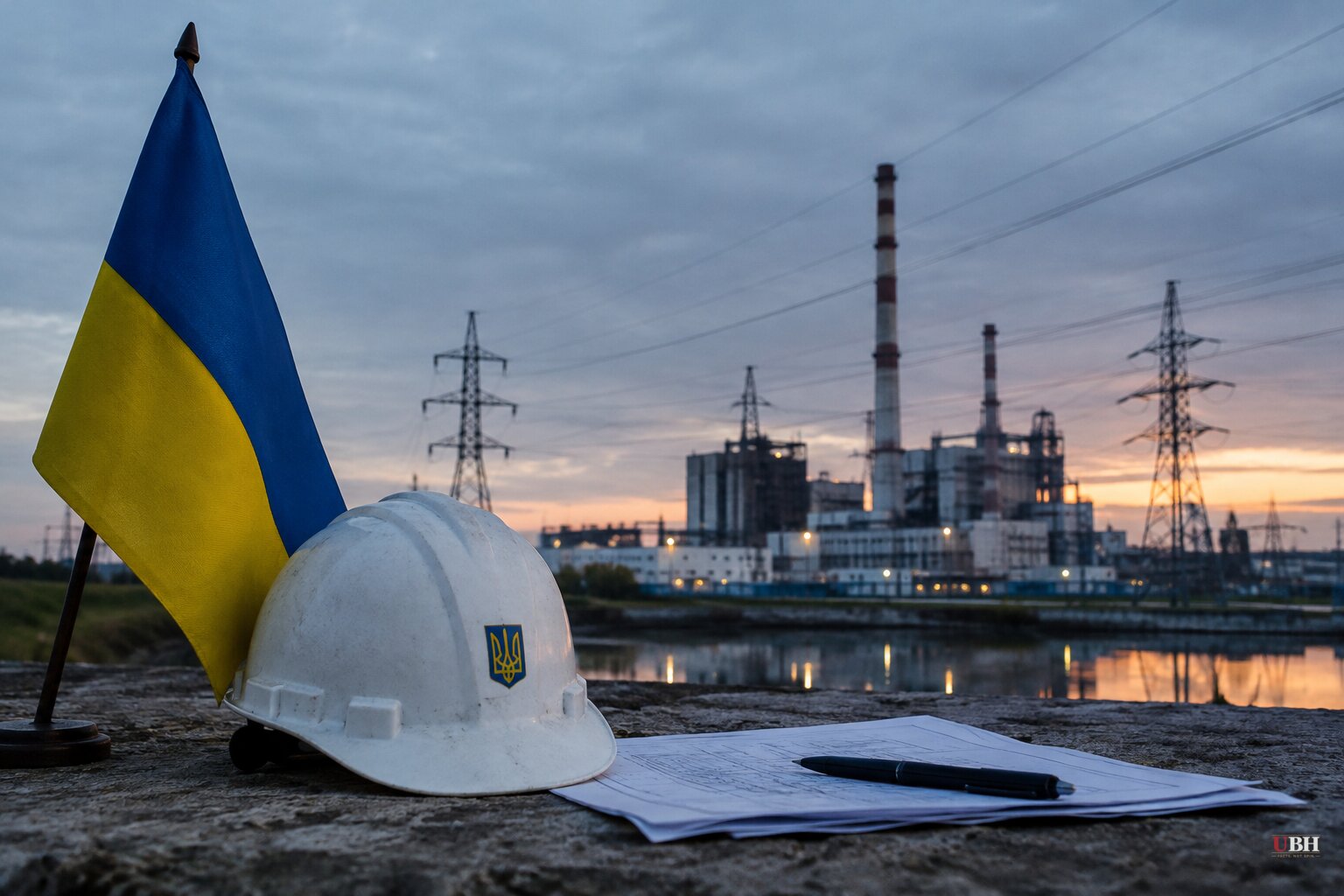
Since Trump posted on Sunday, Oct. 11 that "Effective immediately, there is an ENERGY CEASEFIRE in the War between Russia and Ukraine," the fighting over energy infrastructure has not paused.
Trump wrote that "Both parties have agreed. Do not break it!" Moscow has not said it agreed to anything.
Kremlin silent, Kyiv blindsided
Kremlin spokesman Dmitry Peskov said Monday only that "contacts are ongoing" and that more information would come in due course. He declined to say whether any deal would be limited to oil refineries.
Zelenskyy said Ukraine learned of the deal from media reports. "We support it, but I have not heard approval of this proposal from the Russian side," he said at the Warsaw Security Forum. "It was clear that Putin does not read Truth Social."
The scope is also unclear. A White House official told Axios on Sunday that the proposal initially focused on halting attacks on oil refineries, with power plants and electricity grids potentially to follow. The official acknowledged Russia had not yet agreed.
That gap matters. A refinery-only pause would protect Russian assets while leaving Ukraine's power and gas systems exposed going into winter.
What Russia has hit since Sunday
Zelenskyy said Russia struck six energy facilities on Monday alone. Earlier strikes after Trump's post hit a power plant in Kharkiv, a gas production facility and a civilian gas station.
Naftogaz said a jet-powered drone caused a fire at its gas production infrastructure in the Kharkiv region overnight. Acting CEO Sergii Fedorenko said critical equipment was damaged and no one was injured.
Overnight into Tuesday, Oct. 13, Russia launched 108 drones, and Ukraine's Air Force said 88 were shot down. It also said Russia fired five Iskander-M/S-400 ballistic missiles from Russia's Bryansk region.
Zelenskyy put the total at more than 100 weapons. He said four people were killed and 41 injured in Kharkiv in one evening when a residential building was destroyed. The Kyiv City Military Administration reported one person injured in the capital's Darnytskyi district.
Zelenskyy said 19 Ukrainian regions came under attack in the two days since Trump's announcement. He also said Ukraine has not struck Russian refineries or other Russian energy sites in that period. That is his account; Moscow has not commented on it.
The intelligence warning dispute
Zelenskyy said Ukraine received "no early warning from our partners" about five ballistic missiles that hit civilian infrastructure in Kyiv. "Intelligence on Russian ballistic missile launches helps save lives," he said.
US media have reported that American officials floated cutting off Ukraine's access to US intelligence, and suspending weapons deliveries through the NATO procurement scheme known as PURL, during weekend talks in Miami. Washington has not been quoted confirming that.
Ukrainian Foreign Minister Andrii Sybiha told the Warsaw forum that Kyiv continues to receive US intelligence data.
Europe holds its line on sanctions
The energy talks sit on top of Trump's Friday deal with Putin to import 300,000 tons of Russian diesel, which seven senators from both parties say violates a 2022 law. Trump defended it Monday, writing that the EU "paid Russia 250 Billion Dollars for Energy." He did not give a time period for the figure.
European leaders are not following. French President Emmanuel Macron said, "we have no factual reason to change our position." German Chancellor Friedrich Merz said emulating the energy deal was "out of the question" despite rising prices. "Russia will only negotiate seriously under pressure, and that is why we are sticking to our sanctions against Russia," Merz said.
Zelenskyy made the same argument, saying "effective pressure on Russia is needed to make de-escalation happen." He added that "slowing down assistance to Ukraine, and making it harder to protect lives against ballistic missiles will certainly not help bring peace."
The New York Post editorial board backs Trump's push for a ceasefire but says it only counts if it covers all energy facilities. It wrote that Trump "jumped the gun" and may need "a few sticks," such as tariffs allowed under the new Lindsey Graham sanctions law. It also noted Europe paid Russia $9 billion for gas over the past year, citing Energy Live News.
A pattern, not a first
This is not Trump's first such announcement. On Sept. 14 he said both countries had agreed "not to hit" each other's energy infrastructure, with no details. That deal did not materialize either.
Neil Atkinson, a former International Energy Agency official, told CNBC: "We've been here many times before over the last 4½ years, so I don't think we should build our hopes up too much."
Zelenskyy says Kyiv will respond if Russia does not comply. Bulgarian Prime Minister Rumen Radev said Tuesday that two more ships were hit by drones in the Black Sea, one of which sank. Ukraine has blamed earlier attacks of that kind on Russia.
It is not yet clear what Moscow's "contacts" will produce. Peskov has promised more information and given no date.
Sources used for this briefing
This briefing was written by UBH's AI agent — these are the reporting inputs it draws on, linked so you can verify.


