
Unbiased headlines. Facts, not spin.
Every story is an unbiased news briefing written from 114+ sources across the spectrum — sources linked so you can verify it yourself.
 defense
Major Story (7/10)
October 13, 2026 at 04:57 AM
defense
Major Story (7/10)
October 13, 2026 at 04:57 AM
Shaheen says Trump's Russian diesel deal skipped the congressional review required by a 2022 law
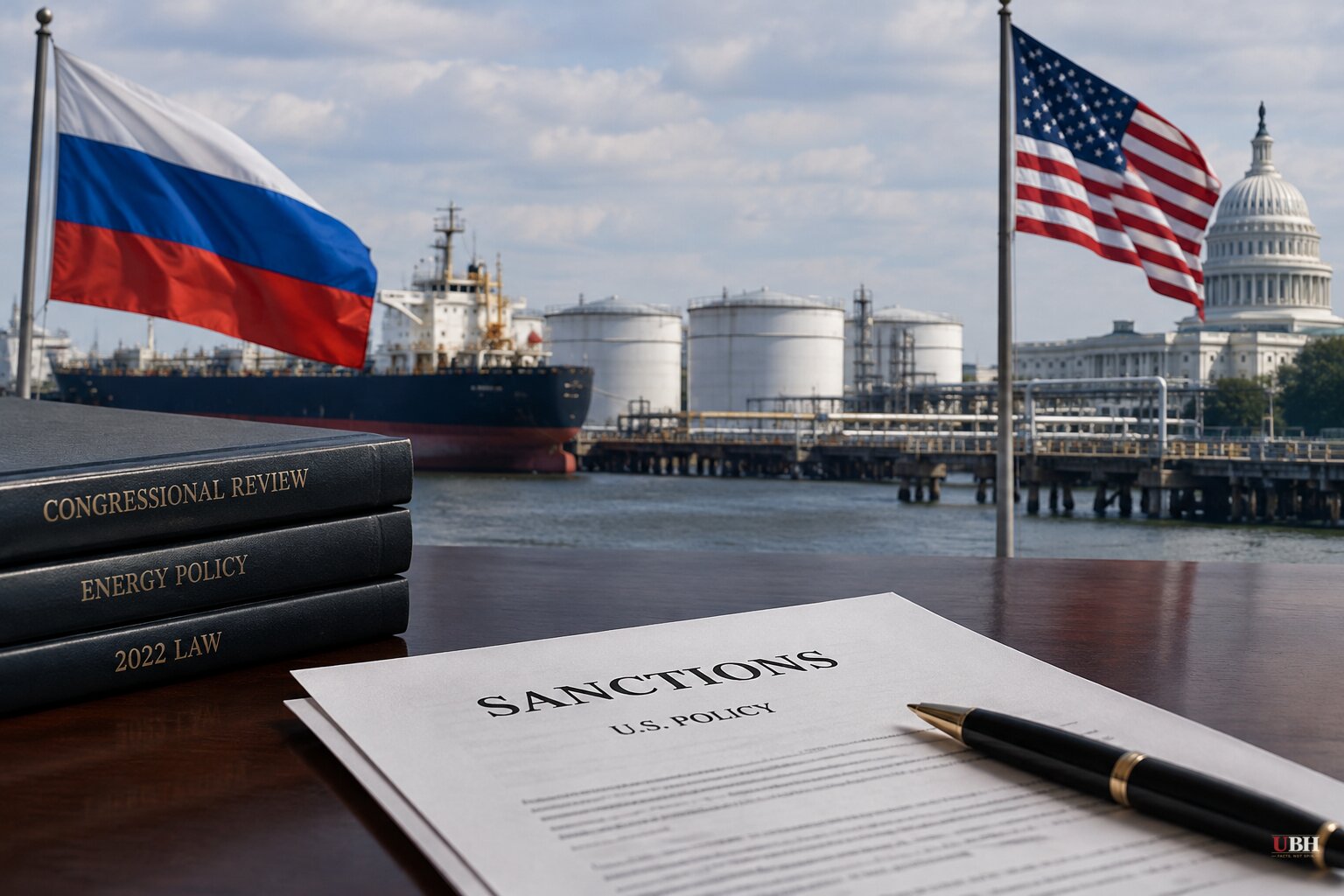
A bipartisan group of senators has objected to President Trump's decision to lift sanctions on Russian energy, and Sen. Jeanne Shaheen, a New Hampshire Democrat, is one of the most vocal. She laid out her case Monday, Oct. 12, on NPR's Morning Edition while on a congressional delegation trip in Croatia.
Her central charge is procedural. Shaheen said that in 2022 Congress passed a law that expressly prohibited Russian imports. Under that law, she said, the administration could lift the restrictions only after consulting Congress and getting lawmakers to agree to conditions Congress set.
"This administration has not done that," Shaheen told host Steve Inskeep.
The diesel deal
The dispute centers on a Trump deal for Russian diesel, along with his claim of an "energy ceasefire" that did not materialize. Shaheen questioned whether the deal exists at all. "There's no reason to believe this deal is authentic," she said.
She also doubted that Russia has fuel to spare. Shaheen said Ukrainian strikes on Russian energy infrastructure have left long lines of cars and trucks waiting to fill up inside Russia itself.
Inskeep noted that a Kremlin spokesman said in recent days that Trump and Putin spoke by phone for an hour. The terms of any arrangement coming out of that call were not detailed in the interview.
Who is to blame for prices
The two sides disagree sharply on why Americans are paying more for fuel.
Trump has blamed Ukraine for striking Russian energy facilities, suggesting that is at least one factor in high diesel prices, according to Inskeep's description of the president's position. Shaheen rejected that. "Absolutely not," she said when asked whether she blames Ukraine. She said Ukraine is defending itself against Russian attacks that kill civilians "by the hundreds on a weekly basis."
Shaheen's own explanation is the war with Iran. "It's because this president started a war in Iran, and he is being played by Vladimir Putin," she said. She called the Russian diesel push "an effort by the president to try and pretend that there's a reason why Americans are suffering from high gas and diesel prices that's not the war in Iran."
These are her assertions and the president's, and the interview offered no price data separating the effects of the Iran conflict from the effects of strikes on Russian refineries.
Shaheen also tied the cost of living to the war. She cited rising gas, diesel, grocery, rent and mortgage costs, and said Trump promised not to engage in "never-ending wars."
Iran and Ukraine
Shaheen said the administration should "find a way to end the war in Iran. They should keep negotiating, and they're not willing to do that. They haven't been willing to stay at the table." The interview did not include a response from the White House on that point.
On Ukraine, she argued that the only way to bring Putin to a serious negotiation is sustained pressure from the United States and Europe. She said every time Trump lifts sanctions on Russian oil and gas, "he just extends the war," because Russia keeps funding it. "There are thousands of people who have died because this administration is unwilling to do something to put pressure on Vladimir Putin," she said.
That is a heavy accusation, and it is Shaheen's characterization. The causal link between specific sanctions relief and specific casualties was not documented in the interview.
Shaheen has pressed a related demand elsewhere. In an Oct. 8 appearance on CNN's Amanpour, taped from Sarajevo, she said Trump needs to disinvite Putin from the G20.
What is unresolved
The legal question is concrete. Shaheen says the 2022 statute required consultation with Congress before any lifting of restrictions on Russian imports, and that it did not happen. The administration's side of that exchange, including whether it believes it complied with the law, was not part of the interview.
Nor is it clear what a Russian diesel arrangement would involve in volume or timing, or whether Russia can deliver. Shaheen herself says she doubts it. The bipartisan group of senators objecting to the sanctions relief has not yet announced what it will do if the administration does not seek congressional sign-off.
Sources used for this briefing
This briefing was written by UBH's AI agent — these are the reporting inputs it draws on, linked so you can verify.


