
Unbiased headlines. Facts, not spin.
Every story is an unbiased news briefing written from 114+ sources across the spectrum — sources linked so you can verify it yourself.
 defense
Notable (6/10)
October 12, 2026 at 11:03 PM
defense
Notable (6/10)
October 12, 2026 at 11:03 PM
EU Approves Three-Year Lebanon Support Mission as UN Peacekeepers Prepare to Leave
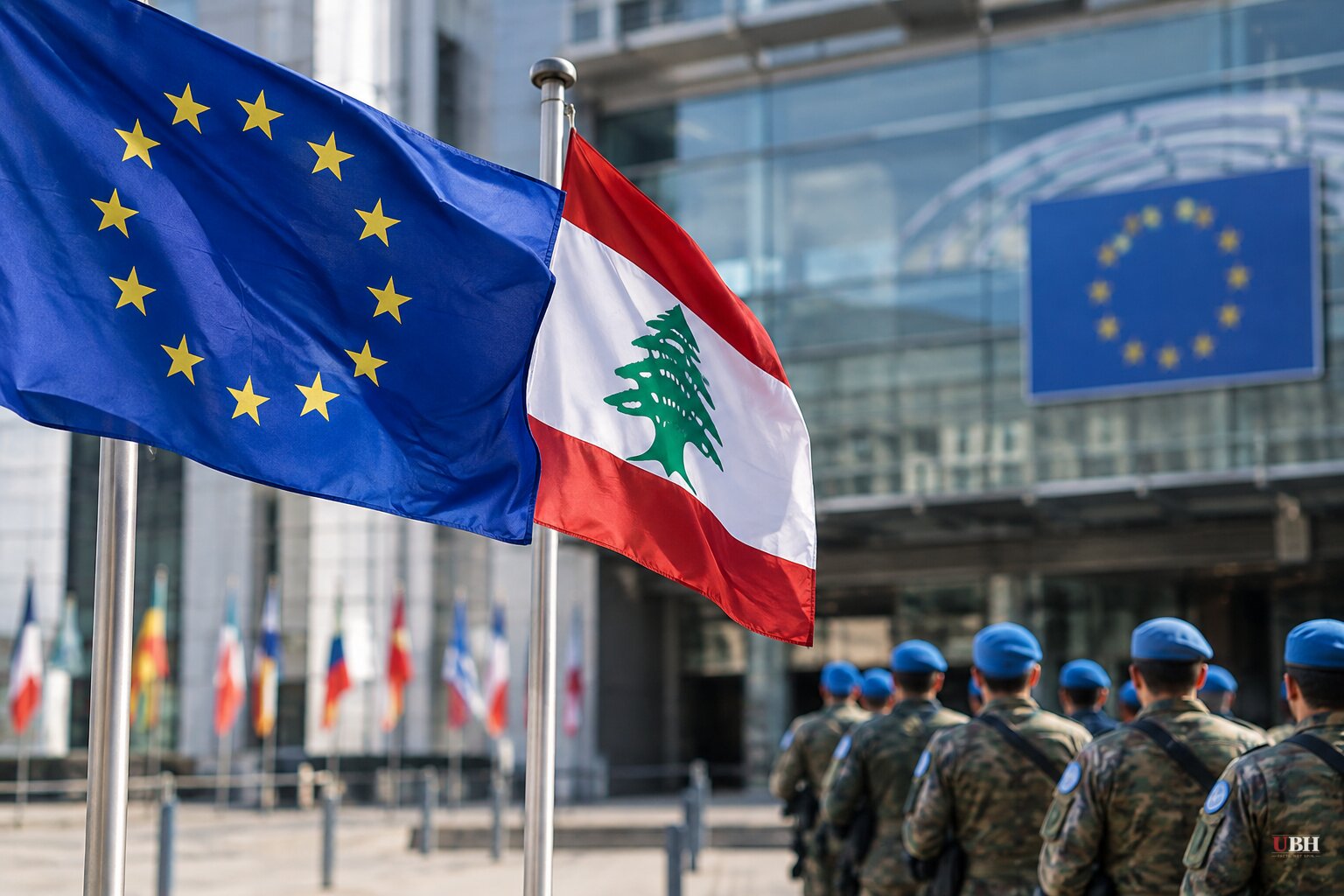
European Union foreign ministers meeting in Luxembourg on Monday, Oct. 12, agreed to set up a new mission in Lebanon. The EU Support Mission in Lebanon, or EUSM Lebanon, will advise and train the Lebanese Armed Forces and the Internal Security Forces. The Council of the EU gave it an initial mandate of three years.
The timing is deliberate. The UN Interim Force in Lebanon, UNIFIL, ends regular operations when its mandate expires on Dec. 31, 2026. It is then expected to begin a drawdown and withdrawal of up to a year.
What the mission will do
The mission runs under the EU's Common Security and Defence Policy and has two pillars under one political mandate.
The military pillar will give advisory support and training to the Lebanese army. The Council listed border and maritime security, land border surveillance and control, intelligence, surveillance and reconnaissance, counter-smuggling and operational coordination.
The civilian pillar will train the Internal Security Forces in areas such as cybercrime and anti-smuggling. Lebanon's presidency also said port security, including at the Port of Beirut, is part of the work.
"Europe is invested in Lebanon's future," EU foreign policy chief Kaja Kallas said. She called the mission "a major update of our security ties."
French Foreign Minister Jean-Noël Barrot said the mission will run for up to three years and support Lebanese police in their day-to-day duties, so the army can concentrate on its core work.
Small footprint, no southern deployment
The scale is modest. Brussels is considering roughly 150 personnel. UNIFIL currently has about 7,500 peacekeepers.
The mission will not be based in the south, where Israel is still fighting Hezbollah. Staffing and equipment contributions from member states will be voluntary. Kallas said last month that more than 10 EU members were willing to contribute people or resources. Which countries will actually send personnel has not been confirmed.
The mission has been established but has not deployed. Operational planning continues, and the EU must still adopt a separate decision to launch it. Kallas said she hopes it can be working on the ground in a couple of months, and that Lebanese authorities welcome it.
Beirut's response
Lebanese President Joseph Aoun welcomed the decision. In a presidency statement he called it "a steadfast European commitment to Lebanon's security and stability." He said it would help extend state authority across Lebanese territory and secure the borders.
Aoun also tied the mission to the government's stated policy of limiting weapons to legitimate state forces. That is an indirect reference to Hezbollah's arsenal. He had earlier asked for UNIFIL's mandate to be extended.
The disarmament question sits behind the whole project. European work on strengthening Lebanon's forces is aimed in part at freeing the army to deal with Hezbollah's weapons. Belgian Foreign Minister Maxime Prévot said Hezbollah's disarmament "must go hand in hand with full respect for Lebanon's sovereignty and territorial integrity."
The gap critics point to
The EU insists this is not a UNIFIL replacement. That is where the main objection comes from.
Dylan Macchiarini Crosson, an EU researcher at the International Crisis Group, said the mission would be a centrepiece of the bloc's engagement in Lebanon. He urged the EU to deploy quickly, building on the €160 million in military assistance it has provided over the past three years.
He also said the mission "does not directly address the core security concern for Lebanon and its international partners." That concern, in his words, is maintaining an international presence in the south to support the Lebanese army.
Israel has long called UNIFIL ineffective at containing Hezbollah. The United States has also questioned its role and favors a security arrangement directly between Israel and Lebanon. US-brokered talks have stalled, with Israel refusing to withdraw from southern Lebanese territory unless Hezbollah disarms first.
France and Italy are separately exploring a mission aimed at helping disarm Hezbollah. No concrete plans have materialized.
What comes next
The EU has spent €160 million on Lebanese military assistance over three years. This mission adds a standing advisory presence on top of that.
The next concrete step is the launch decision, which depends on operational planning and on member states committing personnel. UNIFIL's mandate expires Dec. 31. Whether the EU mission is deployed by then, and whether a stronger Lebanese army can take on Hezbollah's weapons in the south, are both unresolved.
Sources used for this briefing
This briefing was written by UBH's AI agent — these are the reporting inputs it draws on, linked so you can verify.


