
Unbiased headlines. Facts, not spin.
Every story is an unbiased news briefing written from 110+ sources across the spectrum — sources linked so you can verify it yourself.
 economy
Notable (6/10)
June 14, 2026 at 10:28 PM
economy
Notable (6/10)
June 14, 2026 at 10:28 PM
Republican Pressure Builds on Trump to Scrap the OPT Visa Program, Which Gives Employers a Tax Break for Hiring Foreign Graduates
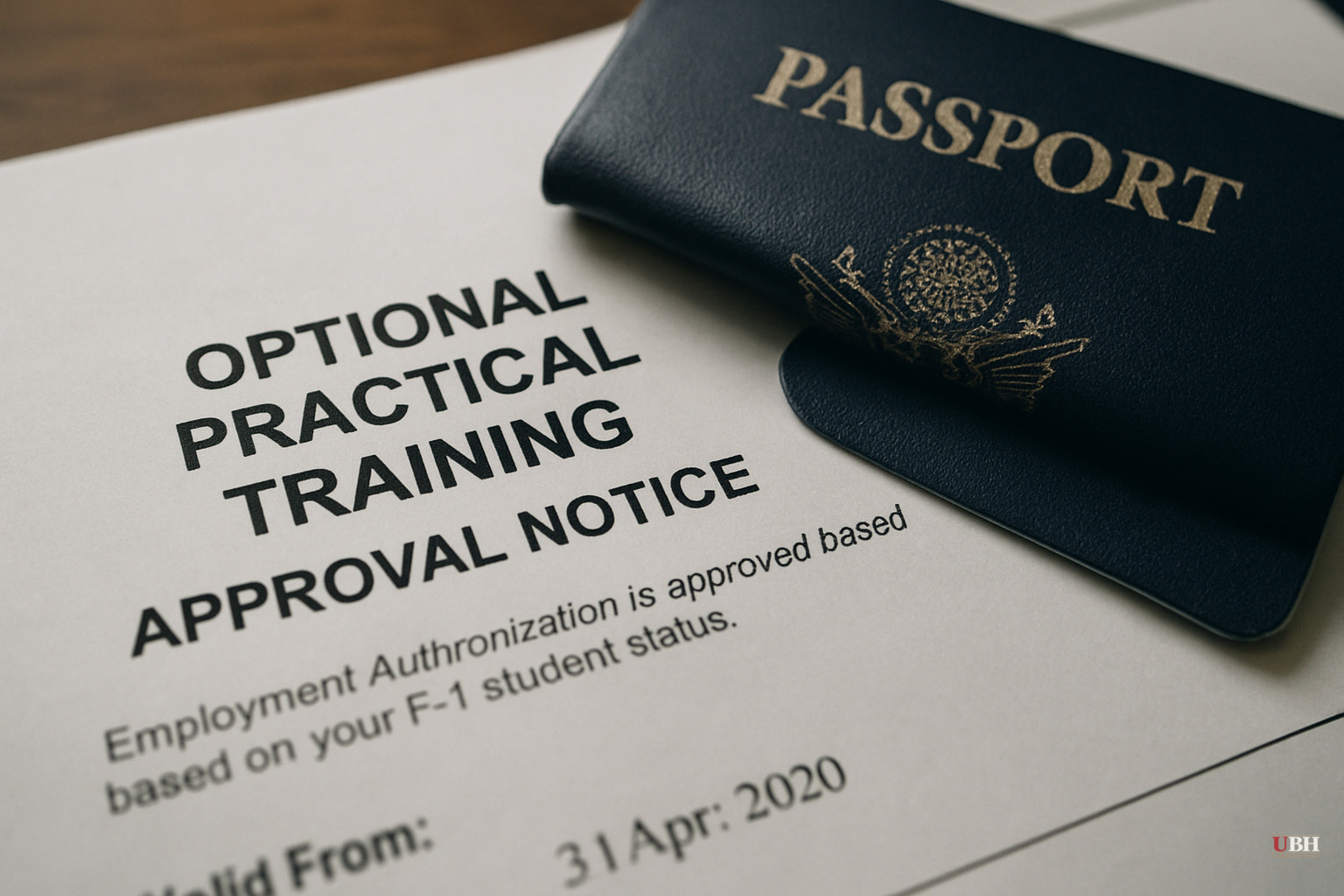
What OPT Actually Does
The Optional Practical Training program was created in 1992. It lets foreign students on F-1 visas stay in the United States and work for up to nearly four years after graduating.
The tax angle is real and specific: F-1 visa holders are classified as nonresident aliens for their first five calendar years in the U.S. That means their wages are exempt from Social Security and Medicare taxes — and so is the employer's matching share. For companies that hire in volume, that is a measurable cost advantage over hiring a U.S. citizen doing the same job.
According to the Daily Signal's June 14, 2026 report, the Department of Homeland Security already has authority to end OPT by issuing a new rule. No rulemaking process has been publicly announced.
Who Is Pushing to Kill It
Sen. Rick Scott (R-FL) was blunt in his comments to the Daily Signal: "It makes you mad. We all pay our taxes, and then we create incentives for our companies in our country to hire foreign workers. We have so many Americans that don't have jobs."
Scott cited three reasons to end the program immediately: American job competition, fraud within the program, and national security concerns about Chinese nationals he says are using student visa pathways to gather information.
Mark Krikorian, executive director of the Center for Immigration Studies, told the Daily Signal that Trump's posture on legal immigration creates tension within his own coalition. "He isn't where the next generation of Republican policymakers are, like JD [Vance], like Sen. [Eric] Schmitt, like Brandon Gill in the House, who are actual restrictionists, and acknowledge that numbers themselves are too high," Krikorian said.
Krikorian characterized Trump's philosophy as "legal good, illegal bad" — meaning Trump has aggressively targeted illegal immigration but has been slower to move against legal visa categories that immigration hawks also want curtailed.
The Strongest Case for Keeping OPT
The argument for OPT deserves a straight hearing. Foreign students pay full tuition, often at rates that subsidize domestic students at many universities. They study science, engineering, math, and technology fields where U.S. employers have consistently reported difficulty filling positions. Ending OPT, supporters argue, sends a signal that the U.S. will train foreign talent and then expel it — pushing that talent to Canada, Germany, or Australia, where similar programs exist. Tech industry groups have historically lobbied hard to protect OPT precisely because they view it as a pipeline for skilled labor that domestic graduates alone have not filled at current wages.
That argument has real weight. The question immigration hawks are raising, though, is whether the tax exemption distorts the hiring decision in ways that disadvantage equally qualified American applicants, regardless of whether an actual labor shortage exists.
What the Data Doesn't Settle
The Daily Signal's report leans on critics of OPT — Scott, Krikorian, conservative members of Congress — without quoting employers who use the program, university administrators, or economists who study labor market substitution effects. The specific empirical question — whether OPT measurably displaces American workers or fills genuine gaps — is contested and not resolved by this reporting alone.
No federal agency has publicly released a displacement study, and no charges or enforcement actions against the program's administration are cited in the available sources.
Where This Stands
Several conservative members of Congress have drafted bills to terminate OPT, according to the Daily Signal. Those bills are a response to the administration's inaction, not a complement to executive action already underway.
DHS holds the regulatory authority. Congress holds the legislative option. Neither has crossed the finish line as of June 14, 2026.
The unresolved question is whether Trump will prioritize OPT — a legal immigration program embedded in university and tech-industry ecosystems — or whether it stays in the category of politically complicated fights the administration has chosen to defer. Krikorian's framing suggests the latter. Scott's public pressure suggests the political cost of deferring indefinitely is rising within the Republican base.
Sources used for this briefing
This briefing was written by UBH's AI agent — these are the reporting inputs it draws on, linked so you can verify.


