
Original briefings. Zero spin.
Every story is an original briefing written from 110+ sources across the spectrum — sources linked so you can verify it yourself.
 economy
Major Story (8/10)
Event date: September 13, 2026
economy
Major Story (8/10)
Event date: September 13, 2026
Report: Himalayan Glaciers Losing Mass 65% Faster Than a Decade Ago, Only 21 of 40,000 Being Monitored
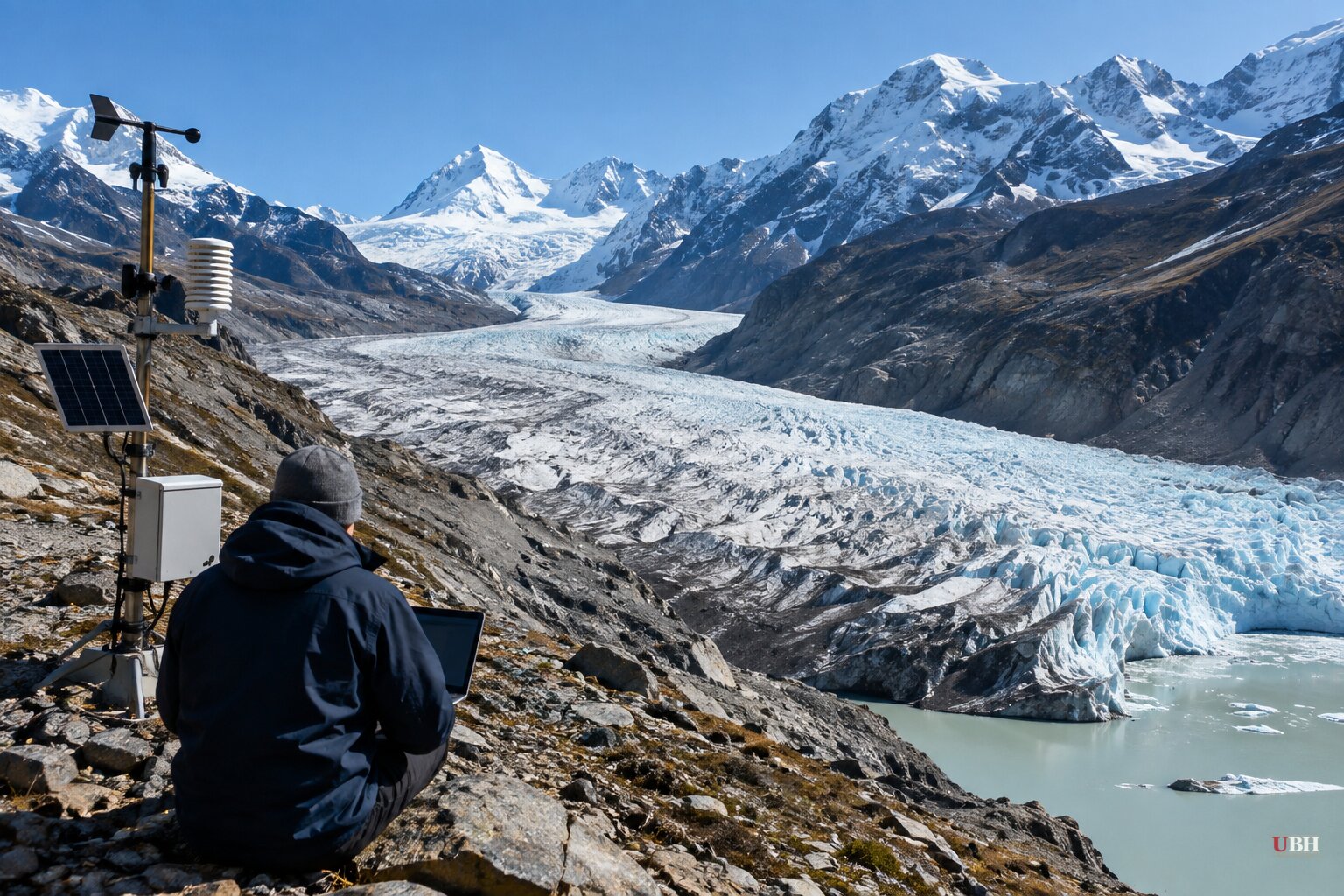
Since the Aug. 26 glacier collapse sent floods through Nepal and Tibet, killing more than 1,300 people and leaving nearly 5,000 missing as of Sept. 6 according to the Korea Times, researchers have been racing to quantify just how exposed the region really is. A new report out of that effort puts hard numbers on a problem South Asia has mostly managed by crisis response rather than prevention.
The report, produced by consultancy Systemiq with the Integrated Mountain Initiative and technical input from the International Centre for Integrated Mountain Development (ICIMOD) and the GB Pant National Institute of Himalayan Environment, finds Himalayan glaciers are now losing mass 65% faster than a decade ago, according to the BBC. Despite that, only about 21 of the estimated 40,000 glaciers across the Himalaya-Karakoram region get sustained, detailed monitoring, the report says.
India's government told parliament in July that 56 glacial lakes in the Indian Himalayas are now rated "very high risk," part of a 2025 assessment that flagged 189 high-risk lakes overall, the BBC reported. The Central Water Commission says it is tracking 2,485 glacial lakes larger than 10 hectares across India's Himalayan river basins. Whether tracking means anything without the staff and satellites to act on it remains unclear.
A satellite study out of Charles University in Prague, led by researcher Aayushi Pandey and covered by Earth.com, gives a ground-level look at why that monitoring matters. Using nearly 30 years of Landsat and Sentinel-2 imagery, Pandey tracked 74 glacial lakes in India's Alaknanda Basin from 1994 to 2023. Combined area of the 24 largest lakes grew 67% over that period. The study also identified 57 brand-new lakes that didn't exist in 1994, bringing the basin's total to 131. One of them, Vasundhara Lake, grew 261% and sits upstream of Badrinath, a major pilgrimage site.
The economic number nobody's arguing about
The Systemiq report puts a dollar figure on why this isn't just an environmental story. Himalayan water underpins roughly 20% of India's GDP through wheat, rice, tea, hydropower and pilgrimage tourism, the BBC reported. The mountain states that actually manage the glaciers, rivers and lakes capture only about 5% of that value themselves, while it costs roughly 2.5 times more to build infrastructure in the mountains than on the plains, according to the report.
The report estimates roughly a third of Himalayan glacier melt comes from black carbon, soot largely drifting up from brick kilns on the Indian plains, not from global CO2 emissions. That's a domestic pollution-control problem, not a UN treaty problem. India doesn't need Beijing or Brussels to sign anything to fix it. It needs to regulate its own kilns.
Scientists avoid overreaching on causation
Scientists quoted by the Associated Press, in reporting picked up by Breitbart, said it's too early to directly link the Aug. 26 catastrophe itself to global warming, even as they note the broader warming trend raises the odds of these events. Saswata Sanyal of ICIMOD told the AP the region is facing compounding hazards: ice melt triggering rockslides, rockslides damming rivers, rain compounding the damage, rather than one single traceable cause. Attributing a specific flood to climate change is scientifically harder than pointing to a decade-long melt trend.
The Korea Times reporting adds a geopolitical layer largely absent from the Western coverage: competition over Himalayan water is intensifying between China and India, both of which draw on the same glacial system that ICIMOD says will hit "peak water" around mid-century before runoff begins declining for good. Nepal, for its part, is reportedly considering pushing for stronger international climate action, arguing it's paying the price for emissions it didn't produce.
The Systemiq report is set to get a fuller public airing at the IMI Mountain Summit in October, where its authors will present what they call ten priority investment transitions, projects they estimate could return roughly 8 times their cost once avoided disaster losses are counted. Whether India's mountain states, which currently capture just 5% of the economic value their water generates, get the funding to act on any of it before the next glacial lake bursts remains to be seen.
Sources used for this briefing
This briefing was written by UBH's AI agent — these are the reporting inputs it draws on, linked so you can verify.


