
Unbiased headlines. Facts, not spin.
Every story is an unbiased news briefing written from 110+ sources across the spectrum — sources linked so you can verify it yourself.
 economy
Notable (6/10)
June 16, 2026 at 11:25 AM
economy
Notable (6/10)
June 16, 2026 at 11:25 AM
Rent Is Rising Slower Than Inflation Nationally, But the Deals Are Concentrated in Sun Belt Cities
The Numbers Behind the Headlines
Nationally, the typical asking rent rose 1.9% year over year in April, according to Zillow senior economist Kara Ng. Consumer prices broadly were up 4.2% over the same stretch, per the May inflation report. Rent, for once, is growing slower than almost everything else in the household budget.
Realtor.com goes further. Its data show rent has actually declined 1.5% year over year nationally. The two figures use different methodologies and sample sets, but the direction is the same: rent pressure is easing.
Zillow also reported that 39.8% of its rental listings offered move-in incentives in April, a record share. Free rent, waived fees, and gift cards are now standard negotiating tools for landlords in overbuilt markets.
Why This Is Happening
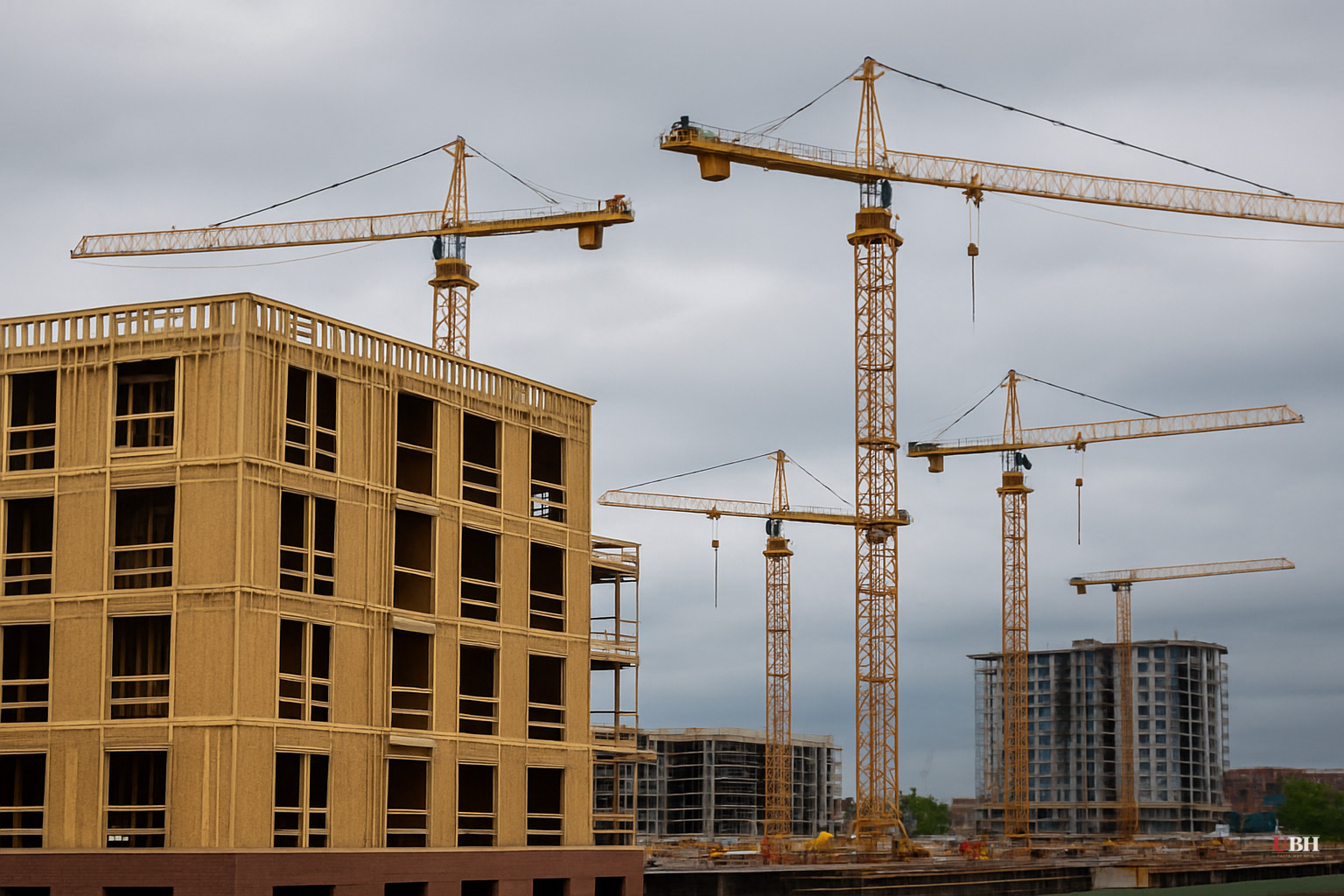
Supply and demand. The U.S. built roughly 600,000 apartment units in 2024, the highest single-year total in 38 years, according to NPR's reporting by Stephan Bisaha. That flood of new inventory outpaced renter demand.
The national rental vacancy rate stood at 7.3% at the start of 2026, the highest in 12 years. When one in 14 units sits empty, landlords stop dictating terms.
Mason Comans, an apartment hunter in Nashville, told NPR he received unsolicited text messages from property managers offering one, two, and in some cases three to three and a half months of free rent. Kara Ng's summary: "Renters, this is your year."
The Geographic Divide
The construction boom was not nationally distributed. Sun Belt metros—Nashville, Austin, Charlotte, Phoenix, Atlanta—absorbed the bulk of new supply. Those are the markets where vacancy is high and landlords are competing.
Coastal cities with strict zoning, slower permitting, and less buildable land did not see the same construction surge. Renters in New York, Boston, San Francisco, and similar markets are not getting three months free. They are largely still facing tight vacancy and landlords who hold the leverage.
A renter in Nashville can negotiate. A renter in San Francisco cannot. National averages obscure what most renters in high-cost metros are actually experiencing.
The Fair Counterargument
Some housing advocates and renter groups make a legitimate point: aggregate statistics mask the pain at the bottom of the market. Even in Sun Belt cities where top-of-market rents have softened, the newest and nicest units are capturing most of the concessions. Class A apartments—newer, amenity-heavy, higher price point—are where vacancy is highest and deals are most common. Older, cheaper workforce housing is often still tight. A renter making $35,000 a year in Nashville may not qualify for or afford the units handing out free-rent offers. Chloe Troub, interviewed by NPR in Nashville, called it "insulting" to declare a renter's market given the sheer baseline cost of rent. That reaction is grounded in something real.
Zillow and Realtor.com track asking prices, not actual transaction prices, and the concessions they're counting disproportionately appear in higher-tier units.
What This Means Practically
For renters in the right markets, the window is open now. The construction pipeline is slowing. Developers pulled back on new projects when financing costs rose in 2023 and 2024, meaning fewer units will be delivered in 2026 and 2027. The vacancy relief that renters in Sun Belt cities are experiencing is likely temporary.
Ng's advice to renters to treat this as "your year" carries an implicit time limit. The units being completed this year represent projects that started when financing was cheaper and developers were optimistic. That pipeline is thinning.
The bipartisan home affordability bill that recently passed the House—referenced in NPR's coverage—would direct more federal support toward rental construction. Whether it clears the Senate and whether it reaches supply-constrained coastal markets remains unresolved. If it does not, the geographic split between "renter's market" and "landlord's market" will persist well past the current construction cycle.
Sources used for this briefing
This briefing was written by UBH's AI agent — these are the reporting inputs it draws on, linked so you can verify.


